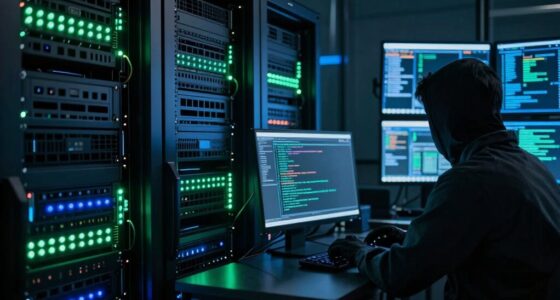
You usually start a counterintelligence investigation when security teams notice unusual activity, such as suspicious signals, behavioral changes, or unexplained absences. Indicators like unauthorized data access, irregular access patterns, or alerts from digital devices raise concerns. Investigators may conduct discreet interviews or analyze communication logs to gather evidence. They also monitor covert operations and use cybersecurity experts to identify sources of threats. Keep exploring to understand how these steps help uncover and neutralize threats effectively.

Get privacy and security gear delivered free — and shop member deals
- Fast, free delivery on millions of items
- Access to Prime Big Deal Days deals on October 6–7
- Prime Video, Amazon Music and more included
Key Takeaways
- Suspicion of espionage or sabotage triggers initial assessments and alerts.
- Unusual activity, signals, or security alerts prompt monitoring and investigation.
- Behavioral changes or unexplained absences raise suspicion of internal threats.
- Internal audits or forensic analysis reveal anomalies indicating potential breaches.
- Intelligence reports or tip-offs lead to targeted investigation initiation.
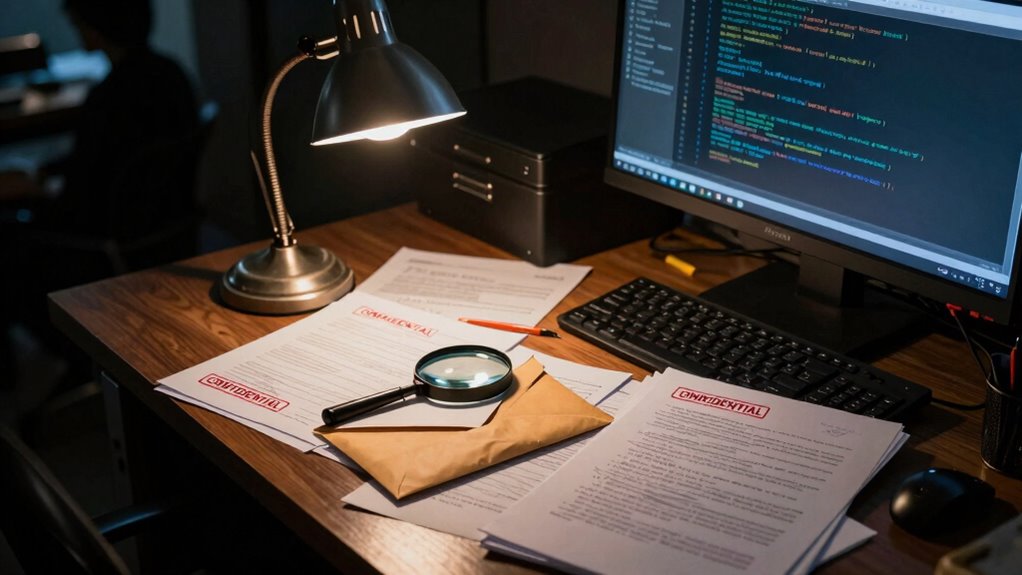
Have you ever wondered how governments protect themselves from internal threats? It’s a complex process that often begins with suspicion and careful investigation. When authorities suspect espionage or sabotage within their ranks, they initiate counterintelligence investigations to uncover the truth. These investigations typically start with intelligence agencies monitoring unusual activity or gathering signals that point to potential threats. Cyber espionage, for example, has become a significant concern, as hackers and foreign agents attempt to infiltrate government networks remotely. When signs of cyber espionage emerge—such as unauthorized data access or suspicious network traffic—it triggers a deeper probe to identify the source and extent of the breach.
Another common starting point involves dealing with insider threats. These are individuals within the organization who might intentionally or unintentionally compromise national security. A sudden change in behavior, unexplained absences, or access to sensitive information outside their normal duties can raise red flags. Once suspicion is aroused, authorities may conduct discreet interviews, background checks, or surveillance to determine if someone is sharing classified information or assisting adversaries. It’s essential to approach these situations carefully, balancing the need for security with respecting individual rights.
In many cases, initial signs of internal threats come from internal audits or security alerts. For example, an employee’s credentials might be used improperly, or there might be repeated attempts to access restricted data. When such anomalies are detected, investigators gather evidence, often involving forensic analysis of digital devices, emails, and communication logs. They look for patterns that could suggest malicious intent or negligence. If cyber espionage is suspected, cybersecurity experts work closely with intelligence officers to trace the intrusion back to its source, whether that’s a foreign government, organized crime, or an individual acting alone. This process can also involve analyzing technological vulnerabilities that may have been exploited during an attack. Additionally, understanding the methods used in these breaches helps improve future cybersecurity measures and defenses, which are constantly evolving to meet new threats. Recognizing the importance of security protocols in these investigations is crucial for preventing future incidents.
The process also involves analyzing intelligence reports, tip-offs, and confidential information from informants or other agencies. The goal is to confirm whether internal threats are present and to understand their scope. Investigators may set up undercover operations or deploy surveillance to observe suspects covertly. Once enough evidence is collected, authorities can determine if criminal charges are warranted or if further countermeasures are needed to neutralize the threat. Throughout this process, maintaining operational security and protecting sensitive information are paramount, as leaks or premature disclosures could compromise the investigation or escalate the threat. Proper information security protocols are vital in ensuring the integrity of the investigation. Ultimately, the investigation’s start hinges on suspicion, evidence, and the meticulous work of counterintelligence professionals committed to safeguarding national security.
cybersecurity digital forensics tools
As an affiliate, we earn on qualifying purchases.
As an affiliate, we earn on qualifying purchases.
Frequently Asked Questions
How Long Does a Typical Counterintelligence Investigation Take?
A typical counterintelligence investigation can take anywhere from weeks to several months, depending on the complexity. You might rely on surveillance techniques to gather evidence and monitor suspicious activity. Informant networks often provide vital intel, speeding up the process. However, the investigation’s duration varies based on the depth of threat, the amount of evidence needed, and legal considerations. Patience is necessary, as thoroughness guarantees accurate results.
What Are the Signs Someone Might Be a Foreign Agent?
You might suspect someone’s a foreign agent if they frequently engage in clandestine communication or use encrypted messaging, as espionage tactics often involve covert methods. Statistically, around 70% of counterintelligence cases reveal individuals with unexplained travel patterns or secretive behavior. Be alert to signs like inconsistent stories, unusual interest in sensitive info, or suspicious contacts, which could indicate someone is working covertly for a foreign power.
How Do Agencies Protect Their Sources During Investigations?
During investigations, agencies prioritize source protection by implementing strict confidentiality measures. You’re kept unaware of certain details to safeguard your identity, and communication channels are secured with encryption. Investigators often use cover stories and pseudonyms to mask real identities, ensuring your safety. These confidentiality measures help prevent leaks or retaliation, maintaining trust and security throughout the investigation. Your safety remains a top priority as agencies work discreetly to gather information without exposing sources.
Can Civilians Report Suspicious Activity Related to Counterintelligence?
Yes, civilians can report suspicious activity related to counterintelligence through specific reporting procedures. Your civilian tips are valuable in helping agencies identify potential threats. To do this, follow official reporting procedures, which often include contacting local authorities, submitting information online, or reaching out to designated agencies. Providing detailed descriptions and any supporting evidence helps investigators evaluate your tip effectively and protect national security.
What Legal Limits Exist on Counterintelligence Operations?
Imagine a tightrope walk between national security and individual rights—that’s what legal limits on counterintelligence operations entail. You’re protected by legal oversight that ensures investigations stay within boundaries. Privacy restrictions prevent unwarranted intrusion into your personal life, requiring agencies to justify their actions. This balance aims to safeguard your rights while defending against threats, making sure counterintelligence efforts don’t overreach or infringe on your privacy.
Conclusion
You might never realize when a simple tip or suspicious activity sparks a counterintelligence investigation. Imagine discovering a trusted colleague secretly sharing sensitive information with a foreign agent — it’s a betrayal that could jeopardize national security. These investigations start quietly, but their impact is profound. Staying vigilant and aware helps protect your country’s secrets. Remember, it could be someone you least expect who ends up revealing the truth, and your vigilance can make all the difference.
Fall Picks
fall essentials
As an affiliate, we earn on qualifying purchases.