
TL;DR

Get privacy and security gear delivered free with Prime
- Fast, free delivery on millions of items
- Prime Video, Amazon Music and more included
- Member-only deals all year
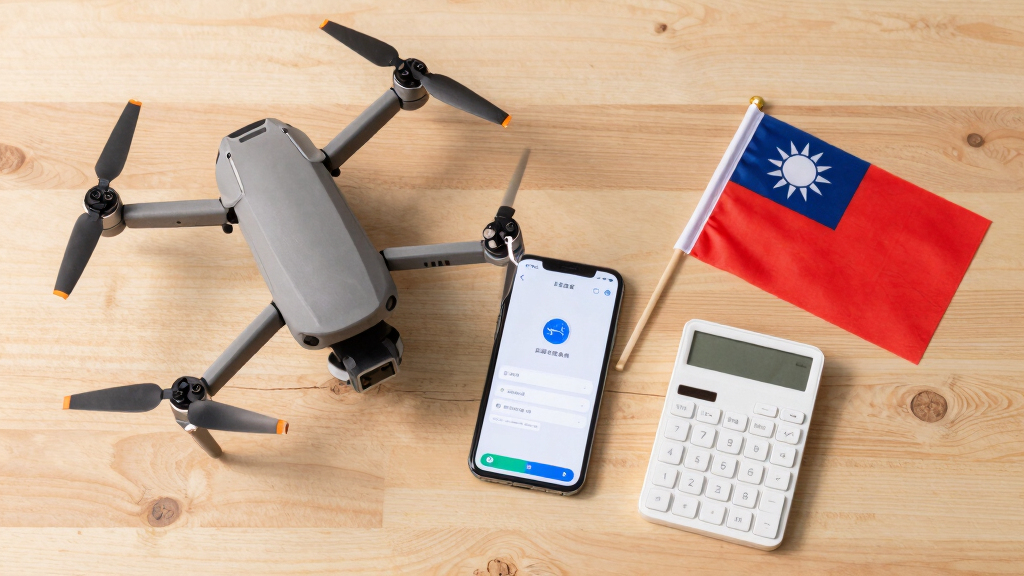
Taiwan’s Thunder Tiger has achieved U.S. military clearance for its China-free drones, signaling a strategic shift amid escalating tensions with China. This development comes ahead of the upcoming Xi-Trump meeting, intensifying regional security considerations.
Thunder Tiger, a Taiwanese drone manufacturer, has received U.S. Department of Defense approval for its China-free supply chain, marking a significant milestone amid rising tensions in the region. This development occurs just days before the scheduled meeting between Chinese President Xi Jinping and U.S. President Donald Trump, highlighting the strategic importance of Taiwan’s drone industry in the broader geopolitical landscape.
Thunder Tiger, based in Taiwan, became the first Asian company to secure U.S. military clearance for its supply chain that excludes Chinese components. The company’s general manager, Gene Su, stated that their AI-enabled suicide drone, “Overkill,” costs approximately $3,000 to $5,000 and is now part of the U.S. defense procurement. Su emphasized that Taiwan is shifting away from Chinese suppliers, replacing 30% of components with local and American vendors, in response to regional security concerns.
In recent months, Taiwan has accelerated its efforts to produce domestically-made drones, aiming for approximately 180,000 units by 2028. The country’s strategic focus on low-cost, high-impact drones is driven by the threat of potential conflict with China, which claims Taiwan as its territory. The Taiwan government has also built an alliance of over 260 companies involved in drone production, all committed to establishing a China-free supply chain.
Why It Matters
This development underscores Taiwan’s efforts to bolster its military self-reliance and regional security posture amid increasing Chinese military activity. The move to produce and deploy low-cost, effective drones could alter the dynamics of potential conflict in the Indo-Pacific, especially as the U.S. and allies seek to counter China’s expanding military budget and technological advancements. The approval of a China-free supply chain for military drones signals a strategic shift with broader implications for regional stability and U.S.-Taiwan relations.
military-grade drone with AI
As an affiliate, we earn on qualifying purchases.
As an affiliate, we earn on qualifying purchases.
Background
For years, China has dominated over 80% of the global drone market, and its military budget has surged, reaching about a third of U.S. spending. Taiwan’s push for indigenous drone production gained momentum after Russia’s invasion of Ukraine in 2022, highlighting the importance of low-cost, high-precision weapons in modern warfare. The U.S. has supported Taiwan’s efforts, with Thunder Tiger’s recent clearance marking a milestone in reducing reliance on Chinese components, which previously made up 30% of its supply chain.
“”We are seeing $2 million missiles facing $30,000 drones. That asymmetry is what we’re learning from Ukraine and Iran.””
— Gene Su, Thunder Tiger’s general manager
“”Taiwan’s move to produce China-free drones is a significant step in its military self-reliance, especially given the increasing Chinese military budget.””
— Unattributed, military analyst
What Remains Unclear
It remains unclear how effective these Chinese-free drones will be in actual combat scenarios against a well-funded Chinese military. Details about the full scope of U.S. military approval and the operational deployment of Thunder Tiger’s drones are still emerging. Additionally, the impact of the upcoming Xi-Trump meeting on regional security strategies remains uncertain.
What’s Next
Next steps include observing whether Taiwan’s domestic drone production continues to scale and whether the U.S. increases military support or procurement of these Chinese-free drones. The Xi-Trump meeting will also be a focal point for assessing how U.S.-China tensions influence regional security policies, including Taiwan’s defense initiatives.
Key Questions
What is the significance of Thunder Tiger’s China-free supply chain?
It reduces reliance on Chinese components, enhancing Taiwan’s military self-reliance amid regional tensions.
How might this affect Taiwan’s defense capabilities?
It could improve Taiwan’s ability to deploy low-cost, effective drones in potential conflicts, countering larger Chinese forces.
What is the impact of the Xi-Trump meeting on this development?
The meeting’s outcome could influence regional security strategies, including U.S. support for Taiwan’s drone industry.
Are these drones ready for combat deployment?
While approved for military use, the operational deployment and effectiveness in combat scenarios are still under assessment.
Halloween Picks
halloween
As an affiliate, we earn on qualifying purchases.