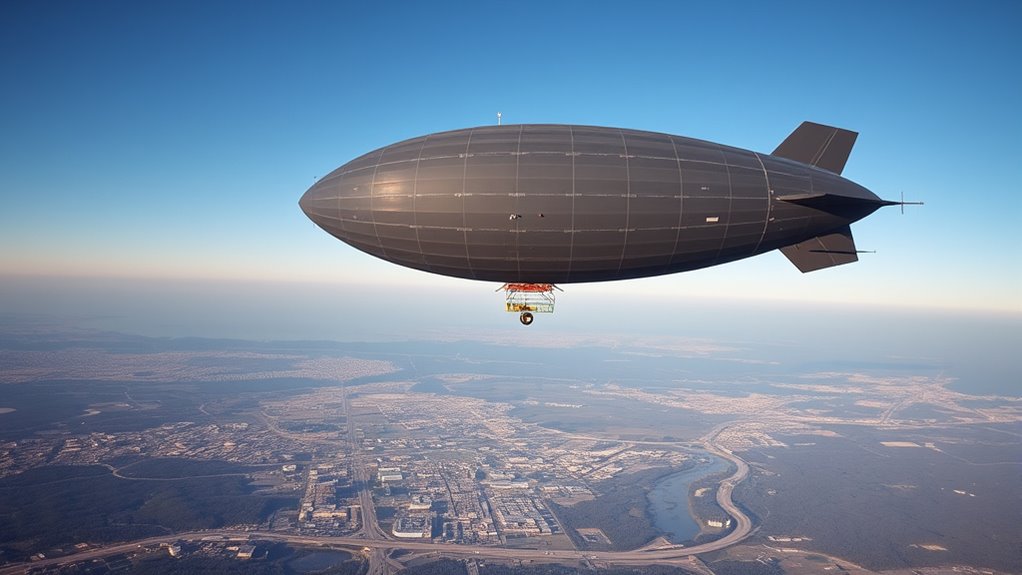
A Chinese spy balloon drifting over the U.S. triggers immediate security concerns and diplomatic tensions. The government quickly tracked the object and decided to shoot it down to prevent intelligence gathering, signaling seriousness to China and allies. This incident highlights the thin line between surveillance and espionage and raises questions about international norms. As tensions escalate, understanding how this event impacts future security and diplomacy offers vital insights—if you want to know more, keep exploring.
Key Takeaways
- The U.S. tracked and ultimately shot down a Chinese spy balloon, citing national security concerns and intelligence risks.
- The incident heightened diplomatic tensions, with China possibly testing U.S. response or collecting sensitive data.
- Surveillance methods, including high-altitude balloons, blur the lines between reconnaissance and espionage ethics.
- The event prompted increased security measures and discussions on establishing international norms for aerial surveillance.
- The fallout underscores evolving espionage technology and the need for strategic policies to prevent future incidents.
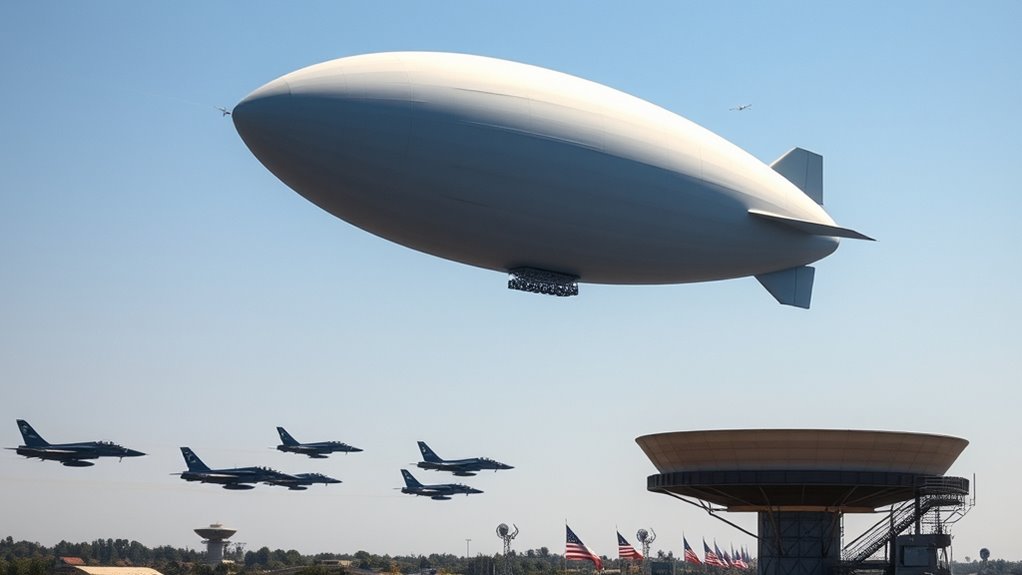
A Chinese spy balloon has been spotted drifting over the United States, raising concerns about national security and surveillance. This sighting immediately sparks debates about the scope of aerial surveillance and the potential threat it poses to American sovereignty. When a foreign object hovers in your airspace, it’s not just a curiosity—it’s a possible tool for intelligence gathering. Governments rely on aerial surveillance to monitor military movements, but when a foreign nation deploys a balloon for this purpose, it crosses into the domain of espionage. The incident prompts you to consider the thin line between legitimate reconnaissance and covert spying. Such actions escalate diplomatic tensions, forcing policymakers to respond swiftly. The U.S. government’s decision to track and eventually shoot down the balloon underscores the seriousness of the breach and signals to China that these provocative displays are unacceptable.
This event doesn’t just impact security; it strains diplomatic relations between the two countries. China’s decision to send a balloon over U.S. territory appears to be a deliberate move, possibly testing the U.S. response or gathering sensitive information about military installations and government operations. As you watch the fallout unfold, it’s clear that diplomatic tensions will intensify, with each side exchanging accusations and demanding explanations. The incident also raises questions about international norms surrounding aerial surveillance. When a foreign entity uses a balloon for intelligence purposes, it challenges established boundaries and could provoke a broader debate about the legality and ethics of such spying methods. Additionally, advances in home theatre projectors and related technology might influence how surveillance equipment is developed and detected, adding a new layer of complexity to aerial reconnaissance.
You might wonder about the implications for future diplomacy. Will this lead to increased surveillance measures, tighter airspace controls, or new treaties governing aerial reconnaissance? The Biden administration’s response, which included swift military action and diplomatic protests, indicates a resolve to defend national security while avoiding unnecessary escalation. At the same time, China’s stance and potential retaliatory measures could deepen the divide. This incident serves as a stark reminder that aerial surveillance capabilities are advancing rapidly, and diplomatic tensions can escalate quickly when these capabilities are perceived as threats. As you follow the unfolding situation, it’s evident that both nations will need to navigate this delicate balance carefully—protecting their interests without igniting further conflict. Ultimately, this event highlights how technology-driven espionage can reshape diplomatic relationships and security strategies in a tense global landscape.
Frequently Asked Questions
What Specific Intelligence Was the Balloon Collecting?
You’re likely concerned about what the balloon was collecting. It probably used advanced surveillance equipment to gather data on U.S. military installations, communication networks, and sensitive infrastructure. The balloon’s data collection aimed to monitor military movements, technological developments, and strategic locations. This intelligence could provide China with insights into U.S. defenses and capabilities, raising significant concerns about national security and the effectiveness of current airspace protections.
How Did the U.S. Detect the Balloon Initially?
You detect the balloon initially through satellite surveillance and aerial reconnaissance. These advanced tools spot unusual objects in the sky, alerting intelligence agencies to potential threats. When the satellite images reveal the balloon’s presence, analysts track its movements and gather data on its altitude and trajectory. This early detection allows the U.S. to respond promptly, assess the situation, and decide on appropriate actions to mitigate any risks.
Were There Any Diplomatic Repercussions With China?
You should know that the incident heightened diplomatic tensions between the U.S. and China. The international response was mixed, with some countries urging calm and others criticizing China’s actions. This event strained diplomatic relations, prompting official protests and calls for more transparency. Overall, it led to increased scrutiny of China’s activities, forcing both nations to navigate a delicate balance between assertiveness and diplomacy to manage the fallout.
How Long Was the Balloon Over U.S. Airspace?
Imagine a silent sentinel drifting across your sky, its presence unnoticed for days. You realize it was over U.S. airspace for about a week, like a shadow lingering above. Satellite surveillance detected its movements early, prompting swift diplomatic negotiations. This prolonged observation raised alarms, forcing leaders to address the breach. The balloon’s extended stay underscores the delicate balance of trust and vigilance in international relations, shaping future responses.
What Measures Will Prevent Future Incursions?
To prevent future incursions, you’ll see enhanced surveillance and stricter airspace monitoring. These measures include addressing cybersecurity vulnerabilities that could be exploited for international espionage, making it harder for foreign entities to infiltrate or gather intelligence unnoticed. You’re also likely to see increased cooperation with allies, improved detection systems, and tighter regulations on sensitive airspace, all working together to safeguard national security against similar threats.
Conclusion
You’ve seen how this spy balloon has stirred up a hornet’s nest of concerns and responses. It’s clear that trust and security are fragile threads, easily frayed by these high-stakes games of espionage. As tensions simmer, don’t forget that actions speak louder than words. This situation reminds us that sometimes, you have to face the music, no matter how uncomfortable it may be, because ignoring the problem won’t make it go away.