Deepfake technology is increasingly used to manipulate election information, creating realistic videos and audio that can deceive voters or tarnish candidates’ reputations. These fake media can spread false claims, incite unrest, or facilitate scams targeting political figures. Staying vigilant and verifying sources is essential to spot suspicious content. If you want to understand how to recognize and counter these threats effectively, there’s more to discover on how to protect democratic processes.
Key Takeaways
- Deepfake technology can create realistic fake videos of political candidates, spreading misinformation and influencing voter opinions.
- Malicious actors may use deepfakes to endorse harmful policies or portray candidates in illegal or immoral acts.
- During elections, deepfakes increase misinformation risks, complicating verification and enabling social engineering attacks.
- Cybercriminals exploit deepfakes to impersonate political figures, prompting scams like fake donation appeals.
- Staying informed about detection tools and practicing skepticism are essential to mitigate deepfake threats and protect electoral integrity.
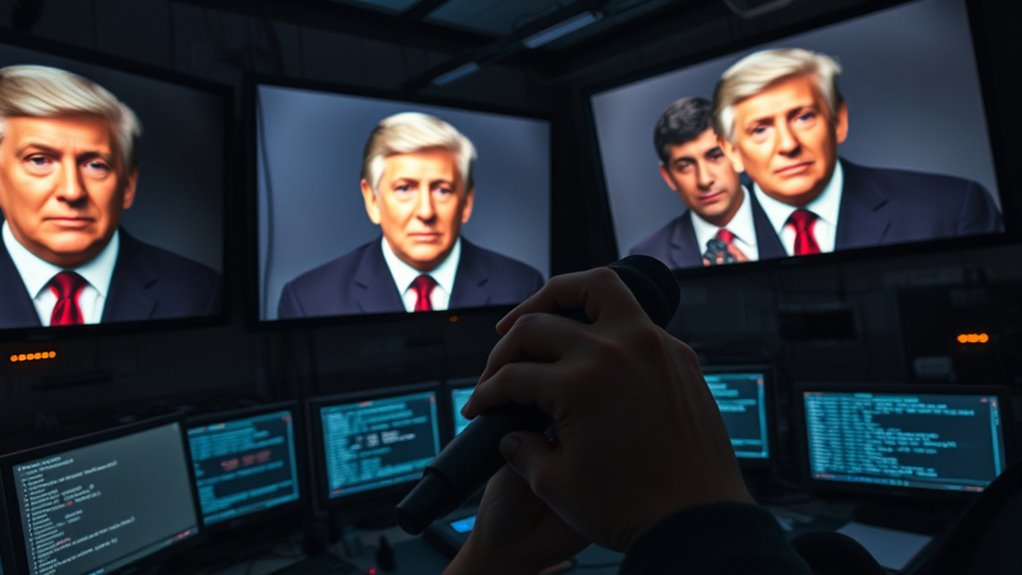
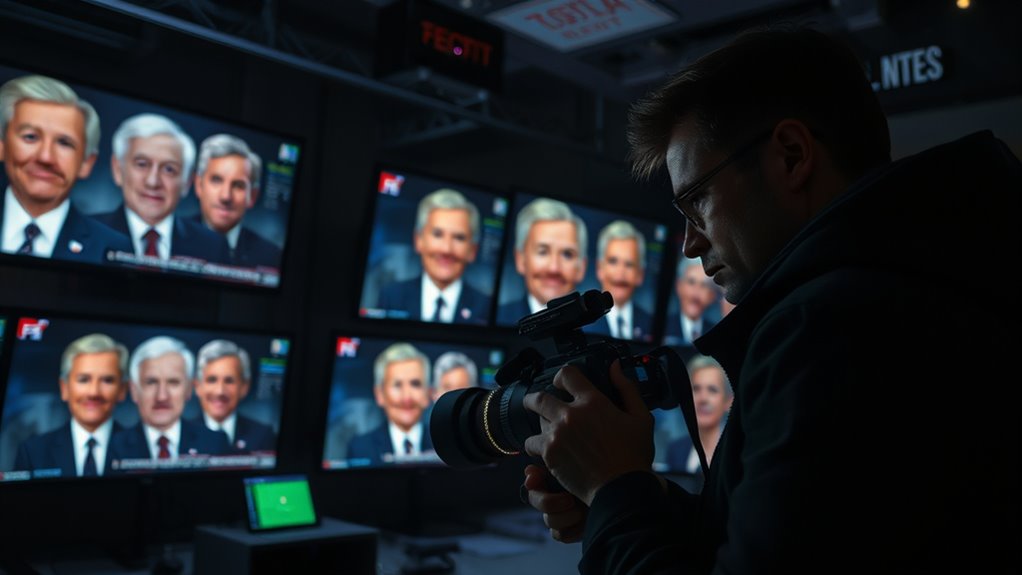
As upcoming elections approach, intelligence agencies warn that deepfake technology poses a significant threat to the integrity of political processes. These highly realistic manipulated videos and audio recordings can be used to spread false information, undermine candidates, and influence voter opinions. The danger isn’t just in the content itself but also in how malicious actors can exploit it through social engineering tactics. They might create convincing fake speeches by candidates, making it appear as if they endorse harmful policies or make controversial statements. Voters could be misled into believing false narratives, which could sway the outcome of the election.
One of the emerging threats tied to deepfakes involves cryptocurrency scams. Cybercriminals might leverage deepfake videos to impersonate political figures or trusted authorities, convincing individuals to transfer funds or disclose sensitive information. These scams utilize social engineering techniques, where scammers manipulate victims’ trust by mimicking familiar voices or appearances. For example, a deepfake of a candidate calling for donations could prompt supporters to send money, only for it to be stolen. As these videos become more sophisticated, it becomes harder for the average person to distinguish between genuine content and manipulated media, increasing the likelihood of falling for scams during a politically charged period. Additionally, the development of AI safety measures can help detect and mitigate the impact of such deepfakes.
You need to be especially cautious about the information you consume online in the coming weeks. Deepfake technology makes it easier for malicious actors to craft convincing falsehoods, which they can then spread through social media and messaging platforms. Be skeptical of videos or audio clips that seem suspicious or out of character for the person involved. Cross-check information using reputable sources before sharing or reacting. Recognize that social engineering isn’t just about emails anymore; it now includes multimedia manipulation that can deceive even the most cautious individuals. Always verify the authenticity of videos, especially if they’re used to make claims about political figures or events.
The threat extends beyond individual scams; it can influence entire communities and the electoral process itself. Malicious actors may use deepfakes to create confusion, sow discord, or even incite violence by falsely portraying political opponents engaging in illegal or immoral acts. As you navigate this landscape, stay informed about the latest deepfake detection tools and techniques. The key to protecting yourself and the democratic process lies in vigilance, critical thinking, and skepticism toward suspicious content. By understanding how deepfakes operate and recognizing the tactics used to exploit social engineering, you can better defend against misinformation and manipulation during this critical election cycle. Recognizing the importance of AI safety measures can enhance efforts to combat these threats and safeguard democratic processes.
Frequently Asked Questions
How Can Voters Identify Deepfake Videos During Elections?
To spot deepfake videos during elections, you should improve your media literacy and use fact-checking techniques. Look for irregularities like unnatural facial movements, inconsistent lighting, or strange audio. Pause and scrutinize the video carefully, and cross-reference it with trusted news sources. Remember, questioning suspicious content and verifying with reputable fact-checkers can help you avoid falling for manipulated videos and stay informed with accurate information.
What Legal Actions Exist Against Creators of Malicious Deepfakes?
Imagine a courtroom where creators of malicious deepfakes face legal storms. You should know that legal ramifications for such actions include charges like fraud, defamation, and violations of intellectual property rights. Laws are evolving to hold these creators accountable, with some jurisdictions imposing hefty fines or imprisonment. These legal actions aim to deter malicious deepfake production and protect individuals and institutions from harm, ensuring accountability in the digital age.
Are Social Media Platforms Equipped to Detect and Remove Deepfakes?
Social media platforms are increasingly equipped to detect and remove deepfakes, but challenges remain. You can help by practicing media literacy and digital verification, which empower you to identify manipulated content. Platforms use AI and user reports to flag suspicious videos, but false positives can occur. Staying vigilant and verifying sources before sharing helps combat deepfake spread, making the digital space safer for everyone.
How Do Deepfakes Influence Public Trust in Election Processes?
Think of deepfakes as tricky puzzles that can shake your confidence in election fairness. They can subtly erode public trust by spreading false images or videos. To stay sharp, you should rely on media literacy and fact-checking techniques, which help you spot fakes and verify information. By sharpening these skills, you protect yourself from being misled and help maintain trust in the election process.
What Measures Are Agencies Implementing to Combat Deepfake Misinformation?
You’re likely to see agencies adopting advanced technological innovations like AI detection tools and deepfake forensics to identify false content. They’re also strengthening international collaborations to share intelligence and best practices, making it harder for malicious actors to spread misinformation. These combined efforts aim to safeguard election integrity by quickly verifying authentic information and neutralizing deepfake threats before they influence public opinion or disrupt the democratic process.
Conclusion
As you prepare for the upcoming elections, stay alert to the growing threat of deepfakes. With reports indicating a 1000% increase in deepfake videos over the past year, it’s clear that misinformation can spread rapidly and influence voters. You must verify information from trusted sources and remain skeptical of suspicious content. By staying vigilant, you can help protect the integrity of the election process and prevent malicious actors from manipulating public opinion through convincing fake media.