
Tulsi Gabbard's recent push for the CIA to prioritize domestic surveillance marks a significant shift from her previous stance. While she once criticized expansive surveillance practices, she now advocates for Section 702 of FISA, emphasizing national security alongside civil liberties. Gabbard calls for transparency and accountability in intelligence operations. Despite backlash from privacy groups, her focus on balancing security needs with individual rights signals a potential transformation in how the intelligence community operates. There's more to explore about her evolving position.
Key Takeaways
- Gabbard advocates for the CIA to focus more on domestic surveillance, shifting from her previous stance against expansive surveillance practices.
- She supports Section 702 of FISA, emphasizing its importance for national security and intelligence operations.
- Her role as DNI includes balancing national security needs with the protection of civil liberties and privacy rights.
- Gabbard aims for transparency in surveillance practices, calling for a warrant requirement for accessing U.S. persons' data.
- This shift towards domestic surveillance raises concerns about potential impacts on individual rights and ongoing privacy advocacy.
Tulsi Gabbard is urging the CIA to shift its focus towards domestic surveillance, a notable change from her previous stance against expansive surveillance practices. Once a vocal critic of U.S. surveillance laws like the Patriot Act and FISA, she now expresses support for Section 702 of FISA, which she sees as crucial for national security. This pivot raises eyebrows, especially considering her past efforts to reform surveillance laws to protect civil liberties.
Tulsi Gabbard's shift to supporting domestic surveillance marks a significant change from her previous stance against expansive surveillance practices.
As the Director of National Intelligence (DNI), Gabbard oversees all U.S. intelligence agencies, including the CIA, NSA, and FBI. In her new role, she advocates for reforms that still prioritize civil liberties while allowing for effective national security tools. For example, she supports a warrant requirement for querying U.S. persons' data under Section 702, reflecting a commitment to transparency and accountability amidst growing concerns over privacy.
You might be wondering how her shift will play out in practical terms. Privacy groups have long protested against the incidental collection of U.S. persons' communications under Section 702. They've pushed for the declassification of surveillance documents to ensure transparency, which Gabbard might support. With her newfound backing of FISA, she's attempting to balance the necessity of foreign intelligence gathering with the protection of civil liberties.
While she previously opposed FISA reauthorization, her current view positions Section 702 as vital for intelligence that significantly contributes to presidential briefings. This change signals a focus on foreign intelligence rather than domestic surveillance, which she criticized in the past. It's a complex balancing act—protecting national security while safeguarding individual rights.
Despite the legal challenges and ongoing debates surrounding Section 702, Gabbard's stance reflects a broader conversation about the role of intelligence agencies like the CIA, NSA, and FBI. Her support for Section 702 might lead to greater scrutiny of these agencies' practices to ensure they operate within legal boundaries to avoid infringing on civil liberties. Her push for the CIA to prioritize domestic surveillance might lead to greater scrutiny of these agencies' practices.
In this evolving landscape, Gabbard's leadership could redefine how the CIA approaches surveillance. As she navigates her role as DNI, her ongoing commitment to civil liberties will be tested. The balance between security and liberty remains delicate, and how she manages this could have lasting implications for both intelligence operations and the protection of individual rights.

TP-Link Tapo 1080P Indoor Security Camera for Baby Monitor, Dog Camera w/Motion Detection, 2-Way Audio Siren, Night Vision, Cloud & SD Card Storage, Works w/Alexa & Google Home (Tapo C100)
- Motion Detection & Alerts: Instant notifications for motion or sound
- 2-Way Audio & Siren: Communicate and deter intruders remotely
- Night Vision: Clear vision up to 30 feet in darkness
As an affiliate, we earn on qualifying purchases.
As an affiliate, we earn on qualifying purchases.
Frequently Asked Questions
What Prompted Gabbard's Focus on Domestic Surveillance?
You might consider that Gabbard's focus on domestic surveillance stems from her evolving views on civil liberties and national security.
She's faced pressure from civil liberties groups advocating for transparency, and she recognizes the importance of balancing citizens' rights with effective security measures.
Moreover, recent legal changes have heightened scrutiny of surveillance practices, prompting her to prioritize protecting Americans' Fourth Amendment rights while still ensuring national security tools are available and effective.
How Does Domestic Surveillance Impact Civil Liberties?
Imagine walking through a crowded marketplace, feeling eyes on you from every direction.
That's how domestic surveillance feels—it erodes your civil liberties. You might think twice before speaking out, fearing repercussions. The chilling effect stifles free expression, causing self-censorship.
With mass data collection and inadequate oversight, there's a real risk of misuse. It's not just about safety; it's about protecting your rights and ensuring your voice remains heard in society.
What Are the Potential Risks of Increased Domestic Surveillance?
Increased domestic surveillance poses several potential risks.
You could face significant privacy invasions, as personal data is collected without your consent. Misuse of this data might lead to wrongful profiling, especially of marginalized communities.
There's often a lack of transparency, leaving you unaware of when you're being monitored. Additionally, surveillance can chill free speech, making you hesitant to express your views, while legal challenges to these practices remain daunting and complex.
How Do Citizens Feel About Prioritizing Domestic Surveillance?
So, you think prioritizing domestic surveillance sounds like a fun idea, right?
Well, most citizens do feel uneasy about it. Many oppose warrantless monitoring of their communications, fearing their privacy will vanish faster than a magician's rabbit.
While folks support public cameras to catch suspicious activity, they're wary of a watchful government eye peeking into their lives.
Balancing safety and freedom? That's a tightrope walk most aren't keen on taking.
What Alternatives to Domestic Surveillance Have Been Proposed?
You've got several alternatives to domestic surveillance that could balance security and privacy.
Targeted investigations focus on specific suspects, while beneficial ownership rules enhance financial transparency.
Decentralized data storage keeps information with service providers, minimizing government access.
Privacy-preserving technologies and legislative reforms further protect civil liberties.
Community-based programs and data minimization strategies also reduce intrusive methods, allowing for effective monitoring without compromising individual rights.

Identity Theft Protection Roller Stamp, 1 Refill Ink – Confidential Roller Stamp for Identity Protection & Security Stamps- Blocking Out Privacy Information and Guard Your Address and ID
- Identity Theft Protection: Obscures sensitive data securely
- Convenient to Use: Quickly conceal information with few swipes
- Time and Cost Saving: Prevents need for shredding documents
As an affiliate, we earn on qualifying purchases.
As an affiliate, we earn on qualifying purchases.
Conclusion
In a world where the C.I.A. shifts its focus to domestic surveillance, you might feel like Big Brother's watching your every move—like a hawk with laser vision! Imagine your morning coffee being monitored for "suspicious" caffeine consumption, or your Netflix choices flagged for potential radical content. Gabbard's push could turn privacy into a myth, where every text and tweet is scrutinized. It's not just a slippery slope; it's a full-on rollercoaster dive into a surveillance state!

SaiTech IT 5 Pack RFID Blocking Card, One Card Protects Entire Wallet Purse, NFC Contactless Bank Debit Credit Card Protector ID ATM Guard Card Blocker–(Black)
- RFID and NFC Blocking: Protects contactless cards from theft
- Jamming Chip Technology: Creates a secure jamming signal without batteries
- Wide Protection Range: Effective up to 2.4 inches for full wallet coverage
As an affiliate, we earn on qualifying purchases.
As an affiliate, we earn on qualifying purchases.
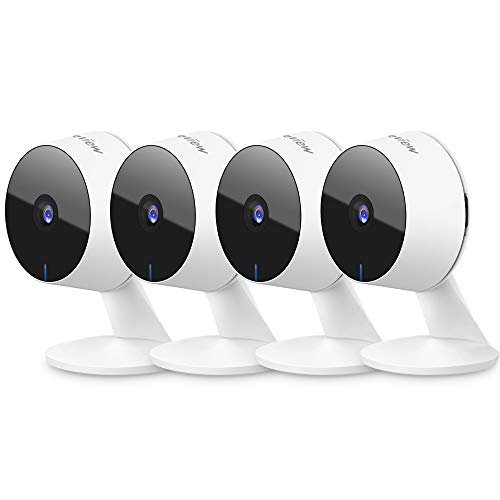
LaView Security Cameras 4pcs, Home Security Camera Indoor 1080P, Wi-Fi Cameras Wired for Pet, Motion Detection, Two-Way Audio, Night Vision, Phone App, Works with Alexa, iOS & Android & Web Access
- Live Streaming Access: 24/7 live streams via app or web
- Multiple Live Feeds: Supports up to 9 simultaneous views
- 1080P HD Video: Clear 2.1MP video quality
As an affiliate, we earn on qualifying purchases.
As an affiliate, we earn on qualifying purchases.