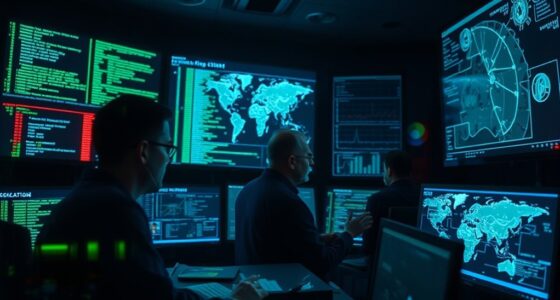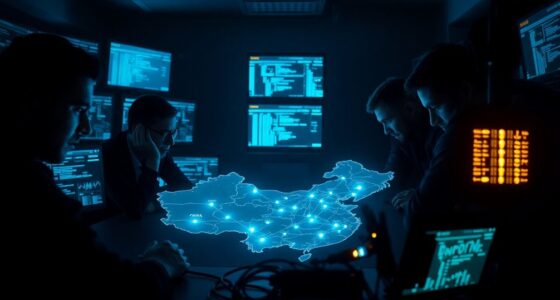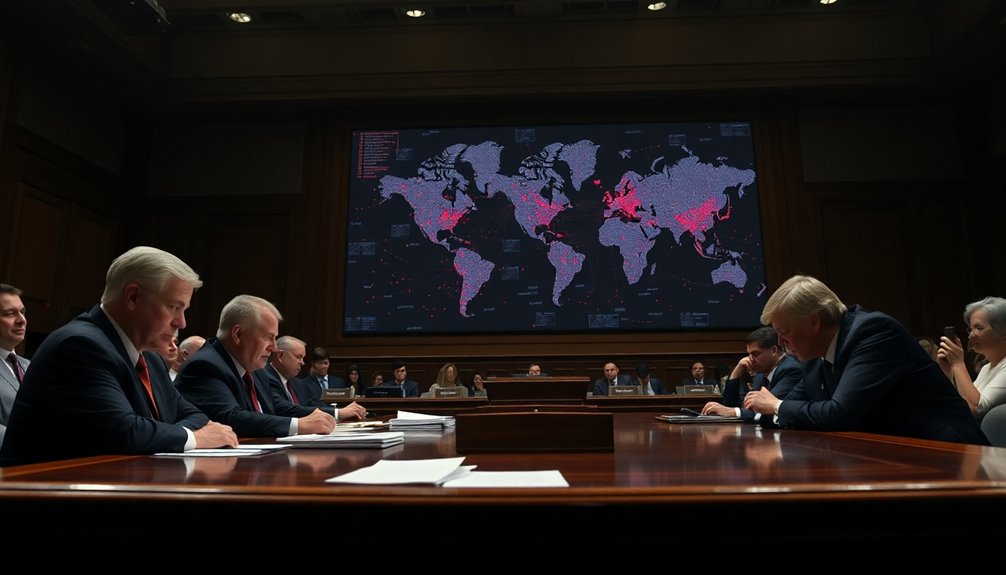

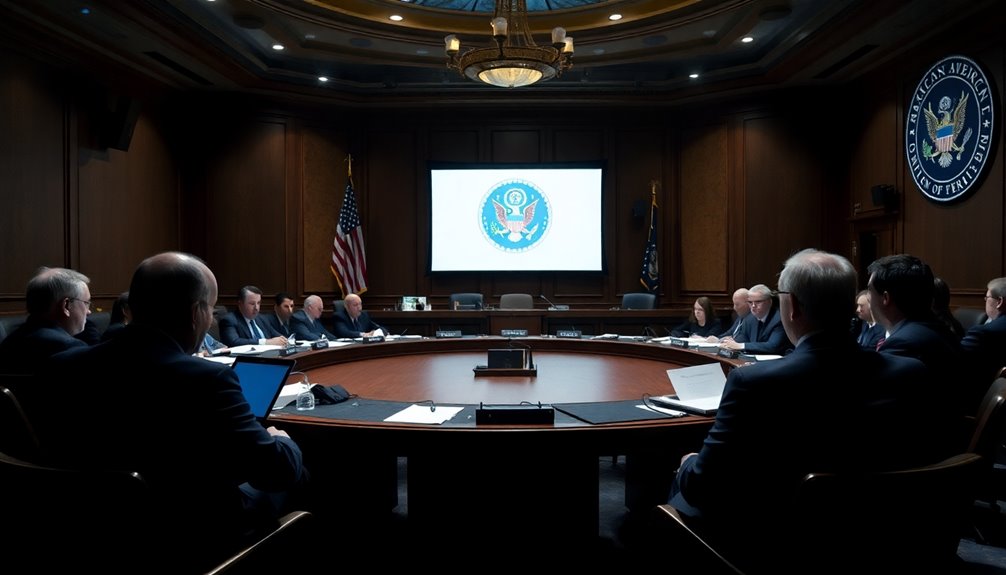
As the threat of Chinese cyberattacks looms large, the House Homeland Security Committee is digging into the Department of Homeland Security‘s (DHS) response to these incursions. The focus of the committee’s investigation zeroes in on two notorious hacking groups, Volt Typhoon and Salt Typhoon, both backed by the Chinese government.
You’ll find that the committee is demanding comprehensive documentation from DHS regarding its actions since the Biden administration began, including a detailed timeline of events and responses to these threats. DHS has until March 31 to provide this crucial information.
Salt Typhoon has already made a significant impact, compromising at least nine U.S. telecom operators and dozens more worldwide. This breach didn’t just end there; it allowed hackers to establish persistent access to targeted systems, leading to the exposure of sensitive data such as call logs and intercepted conversations of prominent officials. Salt Typhoon’s operations have raised concerns over the security of U.S. communications, prompting hundreds of organizations to be alerted about potential compromises.
Salt Typhoon has compromised multiple telecom operators, exposing sensitive data and intercepted communications of high-profile officials.
Meanwhile, major telecom companies like Verizon and AT&T have claimed their networks are secure, but the implications of these attacks are far-reaching.
Volt Typhoon’s activities have penetrated even deeper, compromising critical U.S. infrastructure like ports and power grids. The malware embedded by this group sets the stage for future disruptions, creating a chilling effect on national security. If China were to invade Taiwan, the resultant panic could be catastrophic.
The ongoing threat they pose has drawn criticism for a perceived lack of transparency from the Biden administration regarding its response to these breaches.
In terms of oversight, the now-disbanded Cyber Safety Review Board was investigating Salt Typhoon before its termination in January 2025. Multiple executive branch agencies are involved in ongoing briefings and investigations, and congressional committees have received updates on these serious hacks.
The implications for legislative action are significant, as lawmakers are now evaluating the need for oversight on surveillance laws and security architecture.
Internationally, Beijing denies any responsibility for these cyberespionage campaigns, while U.S. lawmakers are exploring legislative options to tackle these threats. The Chinese Embassy in Washington has criticized U.S. actions, indicating the global ramifications of these breaches.
Not only do these attacks target U.S. officials, including President Trump and Vice President Vance, but they also raise urgent national security concerns that transcend party lines. The stakes couldn’t be higher as the investigation unfolds.
enterprise cybersecurity firewall
As an affiliate, we earn on qualifying purchases.
As an affiliate, we earn on qualifying purchases.

As an affiliate, we earn on qualifying purchases.

CircuitMess Chatter 2.0 DIY Kit | Educational STEM Radio Project for Kids & Teens | Wireless Two-Way Communication & Encrypted DIY Kit
- Ideal for Young Creators: Build wireless encrypted communication devices
- Educational DIY Kit: Assemble and program secure messaging devices
- All-Inclusive Kit: No extra tools or soldering needed
As an affiliate, we earn on qualifying purchases.
As an affiliate, we earn on qualifying purchases.
cybersecurity monitoring software
As an affiliate, we earn on qualifying purchases.
As an affiliate, we earn on qualifying purchases.