

Saudi Arabia's oil infrastructure is facing significant cyber threats from Iran, particularly through groups like APT33. These attacks target critical systems, aimed at destabilizing operations and impacting global energy supplies. With the electronic management of these facilities, vulnerabilities increase, making them prime targets. Historical espionage efforts and sophisticated cyber operations heighten concerns for regional stability. There's much more to understand about these threats and how they are shaping the future of cybersecurity in the Gulf.

Get privacy and security gear delivered free — and shop member deals
- Fast, free delivery on millions of items
- Access to Prime Big Deal Days deals on October 6–7
- Prime Video, Amazon Music and more included
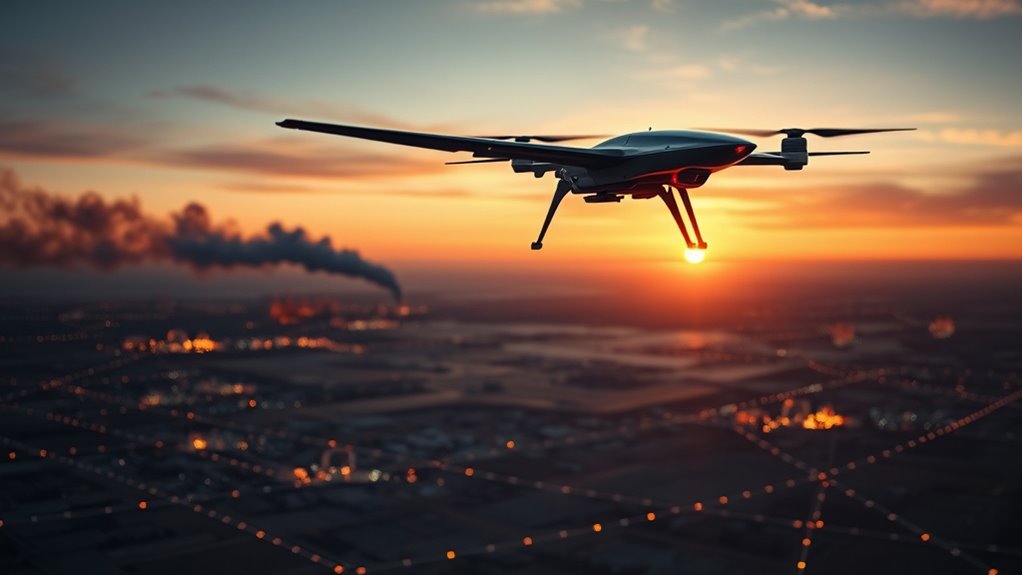
As Iran continues to enhance its cyber capabilities, recent intelligence reports suggest a troubling link between the Islamic Republic and cyber strikes targeting Gulf oil infrastructure. You might be aware that Iran has made significant strides in its offensive cyber operations, posing a real threat to critical systems across the Gulf, particularly those tied to oil production and distribution. The sophistication of these attacks, aimed at facilities like those run by Saudi Aramco, raises alarms about the potential for disruption in a region so vital to global energy supplies.
The vulnerability of Saudi Arabia's oil infrastructure can't be overstated. Managed electronically, these facilities are susceptible to cyberattacks, especially given the complex nature of their systems. Despite advancements in cybersecurity measures, gaps remain, particularly within Supervisory Control and Data Acquisition (SCADA) systems that monitor and control industrial processes. This makes them ripe for exploitation by Iranian cyber actors, who've demonstrated a pattern of targeting critical infrastructure, including desalination plants and the electrical grid.
The vulnerability of Saudi Arabia's oil infrastructure underscores the urgent need for enhanced cybersecurity measures against Iranian cyber threats.
You should also note that Iran doesn't operate alone; it often collaborates with partners like the Houthis in Yemen to execute attacks on Saudi facilities. Groups such as APT33 are suspected of conducting cyber espionage on behalf of the Iranian government, focusing on sectors like energy and aerospace. Their activities, including historical data deletion attacks against Saudi networks, underline a calculated strategy aimed at destabilizing the region. In fact, the 2019 drone strike on Abqaiq and Khurais was a clear demonstration of how such collaboration can lead to significant operational disruptions.
The implications of these cyber threats extend beyond just immediate operational disruptions. The 2019 drone strike on Abqaiq and Khurais, for instance, significantly impacted global oil production, illustrating how a singular event can ripple through financial markets and affect energy supplies worldwide. You might find it concerning that such attacks can lead to fluctuations in oil prices, further complicating an already volatile market.
In response, Saudi Arabia must enhance its cybersecurity posture. Implementing incident response plans and integrating machine learning solutions can strengthen defenses against evolving threats. You know that a proactive approach is essential, particularly as Iran's cyber strategy evolves and the risks of escalation increase.
The nature of cyber warfare presents unique challenges for deterrence, especially when non-state actors are involved. Understanding this landscape is crucial for anyone invested in the stability of global energy markets and regional security.
Conclusion
As tensions simmer in the Gulf, the revelation of Iran's potential involvement in the cyber strike on oil facilities sends chills down your spine. What could this mean for global oil markets and regional stability? With evidence mounting and both nations on high alert, the stakes have never been higher. Will the world witness a new wave of cyber warfare, or can diplomacy prevail? Keep a close eye on the unfolding drama—this story is far from over.
SCADA cybersecurity protection tools
As an affiliate, we earn on qualifying purchases.
As an affiliate, we earn on qualifying purchases.
Fall Picks
fall essentials
As an affiliate, we earn on qualifying purchases.