TL;DR
A developer created a personalized sleep analysis tool using AI, sensors, and audio recordings to pinpoint causes of nighttime wake-ups. The project was built in a weekend, leveraging AI to reduce development effort. The system helps identify external noises and patterns affecting sleep quality.
A person has built a personalized sleep analysis system using AI, sensors, and audio recordings to identify what causes them to wake at night. The project, completed over a weekend, leverages AI tools to reduce development effort and improve sleep quality insights. This approach demonstrates how AI can empower individuals to address personal health issues with accessible technology.
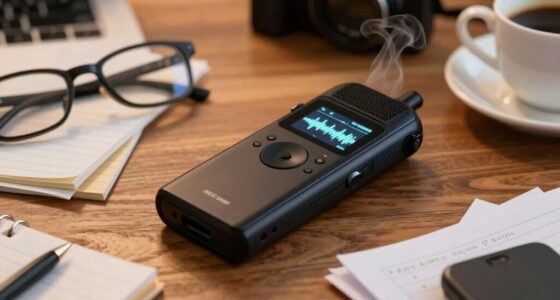
The individual, living in a noisy city, noticed frequent nighttime awakenings with unclear causes. To investigate, they integrated existing smart home sensors with two USB microphones—one inside the flat and one outside facing the street—and used a Raspberry Pi to listen for loud sounds only when at home and in bed. Sleep data from a Garmin watch provided timestamps of wake events, which were synchronized with audio recordings in a custom web app. The app visualizes sleep stages, heart rate, and noise events, allowing the user to identify potential causes of wake-ups by listening to relevant audio clips. AI tools facilitated quick setup and iteration; the person used AI to automate experiments on the Raspberry Pi, analyze sound spectrograms, and refine the detection process. The system only activates during sleep hours and within home network security, ensuring privacy.
Why It Matters
This project illustrates how AI can lower the barriers for individuals to develop personalized health monitoring tools. By combining existing sensors with AI-assisted automation, users can gain actionable insights into their sleep patterns without relying on expensive or complex clinical setups. It highlights a shift toward accessible, DIY health tech empowered by AI, which could influence how people manage personal wellness and address sleep issues.
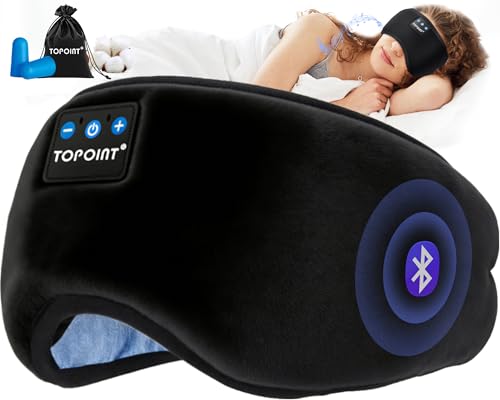
TOPOINT Sleep Mask with Headphones Bluetooth 5.4 Wireless, Sleep Headphones Earphones Earbuds with Microphone HD Speakers Music, Blackout Eye Mask for Sleeping Travel Meditation Men Women Cool Gadgets
- Light Blocking Design: Blocks 99.99% of light for better sleep
- Comfortable Material: Made from soft, elastic 95% cotton
- Adjustable Fit: Bending cartilage design for a customizable fit
As an affiliate, we earn on qualifying purchases.
As an affiliate, we earn on qualifying purchases.
Background
In recent years, consumer sleep tracking devices have become widespread, but their accuracy and usefulness vary. This project builds on the trend of integrating smart home sensors and personal data to improve sleep analysis. The use of AI tools for rapid prototyping and automation reflects a broader movement toward accessible AI-driven personal health solutions. The developer’s approach was motivated by frustration with unexplained wake-ups and a desire for a cost-effective, customizable solution.
“AI lowered the cost of building the tool that helps me understand my sleep disruptions.”
— The creator
“The system only activates when I’m at home and in bed, ensuring privacy and relevance.”
— The developer

60GHz mmWave Radar Sleep Monitor, Non-Wearable Heart Rate and Breathing Sensor, WiFi Smart Presence Detector for Elderly Care, Real-Time Vital Signs Tracker, Compatible with Alexa & Google Home
- Real-Time Heart Rate Monitoring: Tracks heart rate with ±1 BPM accuracy
- Breathing Rate Tracking: Measures breathing with ±0.1 RPM precision
- Instant Vital Alerts: Sends smartphone alerts for abnormal vitals
As an affiliate, we earn on qualifying purchases.
As an affiliate, we earn on qualifying purchases.
What Remains Unclear
It remains unclear how accurately the system can identify specific sound sources or differentiate between noise types over time. The effectiveness of AI in automatically classifying sounds is still limited, and the system’s ability to reliably pinpoint causes of wake-ups needs further testing. Long-term robustness and potential false positives are also unknown.

EMAY Sleep Breathing Monitor for Airflow Tracking | Record Breathing Continuously On the App | Monitor Sleep Quality and Respiratory Events | Generate Professional Sleep Report with Data Analysis
- Sleep Monitoring Type: Home-use personal sleep monitor
- Breathing Recording: Records airflow continuously
- Data Analysis: Generates professional sleep reports
As an affiliate, we earn on qualifying purchases.
As an affiliate, we earn on qualifying purchases.
What’s Next
The user plans to refine sound classification capabilities, possibly integrating AI models for automatic sound recognition. They also aim to expand data collection to include more environmental factors and test the system over longer periods to validate its accuracy. Future developments may include sharing the setup with others or developing a more user-friendly interface for broader use.

Layla Noise Monitoring Device for Airbnb | Noise & Occupancy Sensor | Indoor Noise & Occupancy Monitor | Noise Detector Privacy-Safe for Rentals, Noise Sensor for Offices & Homes
- Accurate Noise Level Tracking: Real-time decibel measurement for property safety
- All-in-One Sensor: Combines noise, motion, and temperature detection
- Space-Saving Design: Compact unit with multiple monitoring functions
As an affiliate, we earn on qualifying purchases.
As an affiliate, we earn on qualifying purchases.
Key Questions
How does the system identify what wakes me up?
The system captures audio clips when loud sounds are detected during sleep hours, correlates them with sleep stage data, and allows the user to listen to the clips to identify potential causes.
Is my sleep data and audio kept private?
Yes. The system only operates within the home network, and audio recordings are stored locally for review. No data is transmitted externally.
Can this setup be used by others?
The current setup is personalized; adapting it for others would require modifications. However, the approach demonstrates how DIY sleep analysis can be achieved with accessible tools.
Will AI automatically classify sounds in the future?
Potentially, yes. The user plans to explore AI models for automatic sound recognition to improve the system’s accuracy and reduce manual listening.