In 1971, whistleblower Daniel Ellsberg leaked the Pentagon Papers, revealing secret government decisions that extended U.S. involvement in Vietnam and concealed the truth from the public. His actions challenged government secrecy and sparked national debate about transparency and press freedom. The leak led to a Supreme Court ruling supporting the right to publish classified information. Want to understand how this act changed government accountability and democracy? Keep exploring to find out more.
Key Takeaways
- Daniel Ellsberg leaked the Pentagon Papers, revealing secret government decisions and deception about the Vietnam War.
- The documents exposed a pattern of government secrecy and misleading information to the public.
- The Nixon administration attempted to stop publication, leading to a Supreme Court case affirming press freedom.
- The leak undermined public trust, highlighting the importance of transparency and whistleblower accountability.
- The Pentagon Papers remain a symbol of the critical role of transparency and whistleblowing in democracy.

The Pentagon Papers are a classified government report that revealed the United States had secretly expanded its involvement in the Vietnam War, even as public officials claimed they were winding down military operations. When this information was leaked, it sparked a national debate about government transparency and the public’s right to know. You might wonder why such classified information was kept hidden in the first place and what it meant for trust between the government and its citizens. The release of these papers exposed a pattern of deception, showing that officials had been misleading the American people about the true scope of the war.
As you look into the story, you’ll see that the Pentagon Papers were originally prepared in secret by the Department of Defense, compiling decades of internal reports, memos, and assessments. These documents painted a stark picture of how decisions were made behind closed doors, often without public knowledge or consent. The government’s insistence on keeping these reports classified was driven by the desire to protect national security and prevent panic, but it also prevented the public from understanding the full extent of U.S. involvement. You realize that this created a tension between transparency and secrecy—an ongoing struggle in government operations. Additionally, the decision to classify such comprehensive information was influenced by concerns about maintaining government confidentiality.
The Pentagon Papers revealed decision-making behind closed doors, exposing tensions between national security and public transparency.
When Daniel Ellsberg, a former military analyst, decided to leak the Pentagon Papers to the press, it was a bold move that challenged the perceived boundaries of government secrecy. You see that his actions were motivated by a belief that the American people deserved full disclosure, especially when their government was engaging in a long and costly war based on misleading information. The leak ignited a legal battle over government secrecy, with the Nixon administration trying to stop the publication, citing national security concerns. However, the Supreme Court ultimately upheld the press’s right to publish, reinforcing the importance of a free press and transparency in government.
This episode highlights the complex balance between security and openness. You understand that classified information is meant to protect national interests, but when it’s used to conceal truths from the public, it erodes trust and fuels suspicion. The Pentagon Papers serve as a reminder that government transparency isn’t just about releasing information; it’s about fostering accountability and ensuring citizens can make informed decisions. The leak not only exposed government dishonesty but also underscored the essential role of whistleblowers in holding power to account. As you reflect on this history, you see that the fight over classified information remains central to debates about democracy, secrecy, and the public’s right to know.
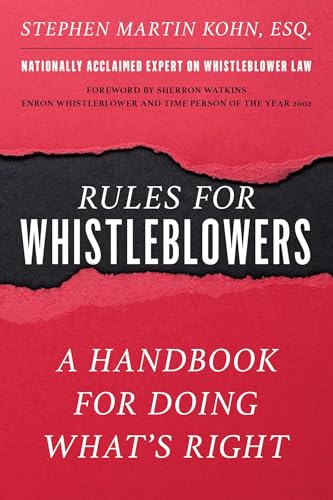
Rules for Whistleblowers: A Handbook for Doing What's Right
As an affiliate, we earn on qualifying purchases.
As an affiliate, we earn on qualifying purchases.
Frequently Asked Questions
How Did Daniel Ellsberg Obtain the Classified Documents?
You learn that Daniel Ellsberg obtained the classified documents through covert information sourcing, involving classified document theft from government files. He accessed the Pentagon Papers by copying them from his work at the RAND Corporation and the Department of Defense. Ellsberg risked everything to leak the documents, revealing government secrets. His actions exemplify covert information sourcing, which ultimately exposed government deception during the Vietnam War.
What Were the Immediate Government Reactions to the Leak?
Your government responds swiftly, denouncing the leak as a threat to national security. They issue legal actions to stop publication, citing urgent reasons to protect secrets. Media coverage explodes, sparking debates about press freedom versus security concerns. Public opinion shifts as many question whether government transparency outweighs the risks. The intense government response and widespread media coverage make the Pentagon Papers leak a pivotal moment in U.S. history, highlighting tensions between secrecy and free press.
How Did the Leak Impact U.S. Public Opinion on the Vietnam War?
Public trust plummeted, fueling fierce anti-war sentiment after the leak. You’d see growing skepticism about government statements, as citizens questioned the true toll of the Vietnam War. The revelations sparked widespread debates, protests, and a desire for transparency, transforming public opinion from support to suspicion. This seismic shift made many realize they’d been misled, pushing anti-war movements forward and shaping future political and social landscapes profoundly.
Were There Any Legal Consequences for Ellsberg?
You learn that Daniel Ellsberg faced significant legal repercussions, including charges of theft and conspiracy, which threatened his freedom. However, due to the importance of whistleblower protections and public support, many of these charges were eventually dismissed or dropped. His case highlighted the need for stronger whistleblower protections, making it clear that exposing government secrets can lead to serious legal risks, but also sparks crucial discussions on transparency and accountability.
How Did the Pentagon Papers Influence Future Whistleblower Protections?
The Pentagon Papers acted as a spark igniting the fight for government transparency, shining a spotlight on the need to protect brave whistleblowers. Their exposure pushed lawmakers to craft stronger whistleblower legislation, creating a safety net for those risking everything to reveal the truth. You can see these reforms as guardrails, ensuring future insiders feel empowered to expose corruption without fear, shaping a culture of accountability and honesty.

Weliu Transparency Film for Inkjet Printers 30 Sheets Transparency Paper Sheets for Overhead Projector 100% Clear 8.5 x 11 Inches
- Material: High-quality PET for clarity
- Size: 8.5 x 11 inches, 30 sheets
- Thickness: 4.5 mm
As an affiliate, we earn on qualifying purchases.
As an affiliate, we earn on qualifying purchases.
Conclusion
You now see how the Pentagon Papers changed everything, revealing over 7,000 classified documents about the Vietnam War. This leak sparked a nationwide debate on government transparency and press freedom. Remember, your right to know what your government hides is powerful—it’s what keeps democracy alive. So, next time you hear about whistleblowers, think about how exposing just one secret can reshape history and protect your rights.

The Pentagon Papers: The Secret History of the Vietnam War
As an affiliate, we earn on qualifying purchases.
As an affiliate, we earn on qualifying purchases.

Teaching With Arts-Infused Writing Pedagogies: Freedom Dreaming for Educational Justice (Language and Literacy Series)
As an affiliate, we earn on qualifying purchases.
As an affiliate, we earn on qualifying purchases.