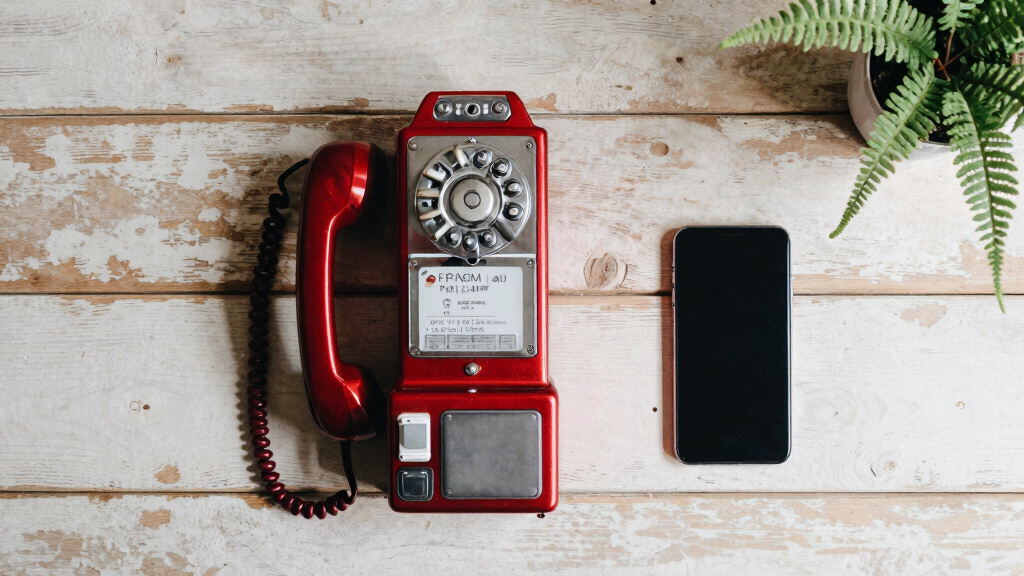

TL;DR
In 2025, Vermont engineer Patrick Schlott has installed several vintage pay phones that operate via VoIP technology. These phones aim to serve rural communities lacking reliable cell service and to preserve telecom history. The project is expanding based on community demand and local support.
Patrick Schlott, an engineer based in Vermont, has installed multiple vintage pay phones that operate via Voice over Internet Protocol (VoIP), providing free public access in rural areas where cell service is limited. This initiative aims to preserve a piece of telecom history while addressing modern connectivity challenges.
Schlott, 32, works at Beta Technologies in South Burlington and began the project in early 2024 after rediscovering old phone parts. He retrofitted these with VoIP gateways, allowing the phones to route calls over internet connections instead of traditional landlines. The first installation took place at the North Tunbridge General Store, following community interest and local support.
Currently, seven pay phones have been installed across Vermont, including in libraries, schools, and town halls. The project is driven by community needs, especially in areas with poor cell coverage and upcoming restrictions on smartphone use in schools. Schlott funds the project through donations and personal investment, with costs for used phones ranging from $400 to $700 on the resale market.
Why It Matters
This project demonstrates a practical way to preserve and repurpose vintage telecom infrastructure for modern needs, especially in rural communities. It also offers a low-cost, reliable communication option amid increasing restrictions on mobile device use in schools and areas with poor cellular coverage. The initiative highlights innovative use of VoIP technology to bridge connectivity gaps and maintain public access to communication tools.
Ryan Bros. American Retro 1950's Payphone with Coin Bank Wall-Mount Corded Phone (Red)

Retro 1950s coin-operated payphone with functional design and versatile display options, perfect for vintage décor and nostalgic conversations.
As an affiliate, we earn on qualifying purchases.
As an affiliate, we earn on qualifying purchases.
Background
Pay phones were once ubiquitous but largely phased out due to the rise of mobile phones. In recent years, there has been renewed interest in their cultural and practical value. Vermont’s legislation to ban smartphones in schools starting in 2026 has increased demand for alternative communication methods, prompting projects like Schlott’s. The use of VoIP gateways to connect vintage phones to the internet is part of a broader trend of retrofitting older technology for contemporary use.
“Pay phones are rugged, reliable, and have a cultural significance that modern devices lack. Using VoIP, we can keep that legacy alive and serve communities that need it most.”
— Patrick Schlott
“The pay phone will be useful for folks who need to call for help or directions, especially when cell service isn’t available.”
— Mike Gross, store owner
What Remains Unclear
It is not yet clear how sustainable the project will be long-term, including ongoing costs and maintenance. Community demand may evolve, and the legal or technical landscape around VoIP and public phones could change, affecting future installations.
What’s Next
Schlott plans to expand the number of pay phones across Vermont, prioritizing rural and underserved areas. He is also exploring partnerships with local governments and organizations to fund and support the initiative. Monitoring community usage and technical performance will guide future deployment and upgrades.
Key Questions
How do these pay phones work with VoIP technology?
The phones are connected to VoIP gateways, which convert traditional analog signals into digital data routed over the internet. This allows the phones to operate like landlines but using internet connections instead of traditional phone lines.
Are these pay phones free to use?
Yes, the phones are set up to be free for users, funded through donations and personal investment, with calls routed through VoIP providers.
Will emergency calls be supported on these phones?
Yes, each installation is registered with the appropriate emergency services, and E911 addresses are configured to ensure calls are directed correctly.
Why focus on vintage pay phones instead of modern communication options?
Pay phones are durable, easy to access without permission, and hold cultural significance. They also provide a reliable communication method in areas with poor cell coverage or where mobile devices are restricted.
What challenges does this project face?
Key challenges include funding for ongoing maintenance, sourcing vintage phones at reasonable costs, and ensuring reliable internet connectivity in remote areas.