
TL;DR
Eight solar panel manufacturers in the US have filed a petition accusing Chinese companies of evading tariffs by shipping components through Ethiopia. The investigation could impact trade policies and supply chains.
Eight U.S. solar power product manufacturers have filed a petition with the Commerce Department, alleging that Chinese companies are evading antidumping duties by shipping solar components through Ethiopia.
The petition, submitted on Tuesday, claims that Chinese solar panel manufacturers are exploiting Ethiopia’s trade policies to avoid paying tariffs imposed on Chinese-origin parts. The petitioners argue that imports from Ethiopia contain Chinese components, which should be subject to U.S. tariffs, but are allegedly being routed to bypass these duties.
According to the petition, the eight companies involved represent a significant portion of the U.S. solar market, and their complaint suggests a potential loophole in current trade enforcement measures. The companies have asked the Commerce Department to investigate whether Chinese manufacturers are using Ethiopia as a transit point to circumvent existing tariffs on Chinese solar parts.
Why It Matters
This development could have substantial implications for U.S. trade policy and the solar supply chain. If confirmed, it may lead to increased tariffs or new trade restrictions on imports from Ethiopia or Chinese companies exploiting this route. The case highlights ongoing concerns about trade evasion tactics and the integrity of tariff enforcement in the renewable energy sector.
MECCANIXITY 5 Pcs 1.5V 0.24W 160mA Mini Solar Panels, Small Polycrystalline Solar Cell Panel with 2 Cable for DIY Electric Toy Materials Kits Charger, 60mm x 30mm
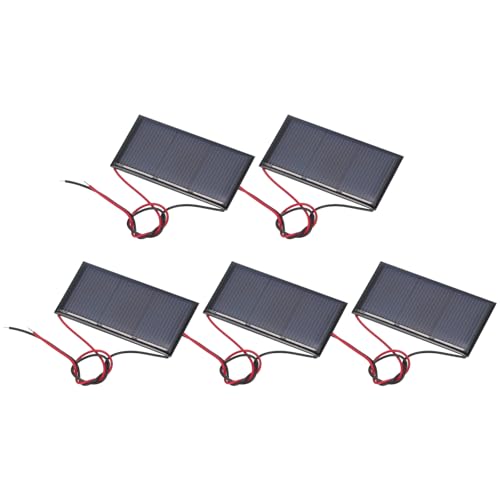
Set of five small polycrystalline solar panels for DIY projects, low-power applications, and outdoor use.
As an affiliate, we earn on qualifying purchases.
As an affiliate, we earn on qualifying purchases.
Background
U.S. tariffs on Chinese solar components have been in place since 2018, aimed at protecting domestic manufacturers. However, allegations of tariff evasion through third countries have periodically emerged, prompting investigations. Ethiopia has become a notable transit hub due to its trade agreements and manufacturing capabilities, raising questions about its role in the global solar supply chain and potential misuse for tariff avoidance.
“The petition alleges that Chinese companies are deliberately routing components through Ethiopia to evade tariffs, undermining U.S. trade enforcement efforts.”
— An anonymous source familiar with the petition
“We are seeking a thorough investigation to ensure fair trade practices and protect domestic manufacturing jobs.”
— A representative of one of the petitioning companies
What Remains Unclear
It remains unclear whether the Commerce Department will accept the petition for investigation, what evidence exists to substantiate the claims, or if Ethiopian imports are conclusively linked to Chinese tariff evasion. Details about the specific supply chains involved are still emerging.
What’s Next
The Commerce Department is expected to review the petition over the coming weeks. If they find sufficient grounds, an investigation could be launched, potentially resulting in tariffs or trade restrictions. Further inquiries into the supply chains and customs data are anticipated.
Key Questions
What evidence supports the claim of Chinese tariff evasion through Ethiopia?
The petition cites trade data and supply chain patterns, but detailed evidence has not yet been publicly disclosed. The investigation will aim to verify these claims.
Could this lead to new tariffs or trade restrictions?
If the Commerce Department finds evidence of evasion, it may impose additional tariffs or restrictions on imports routed through Ethiopia.
Why is Ethiopia involved in this trade dispute?
Ethiopia is used as a transit hub by some Chinese manufacturers to potentially bypass tariffs, due to its trade agreements and manufacturing capacity.
How might this affect the US solar industry?
If tariffs are enforced against Chinese components routed through Ethiopia, it could increase costs for U.S. solar projects and impact supply chains.