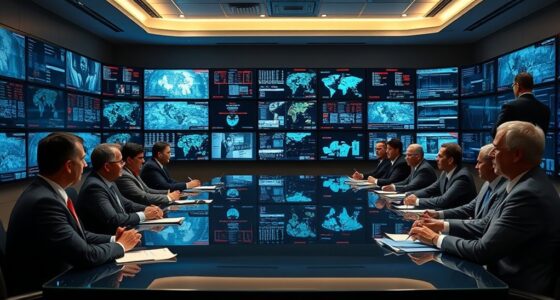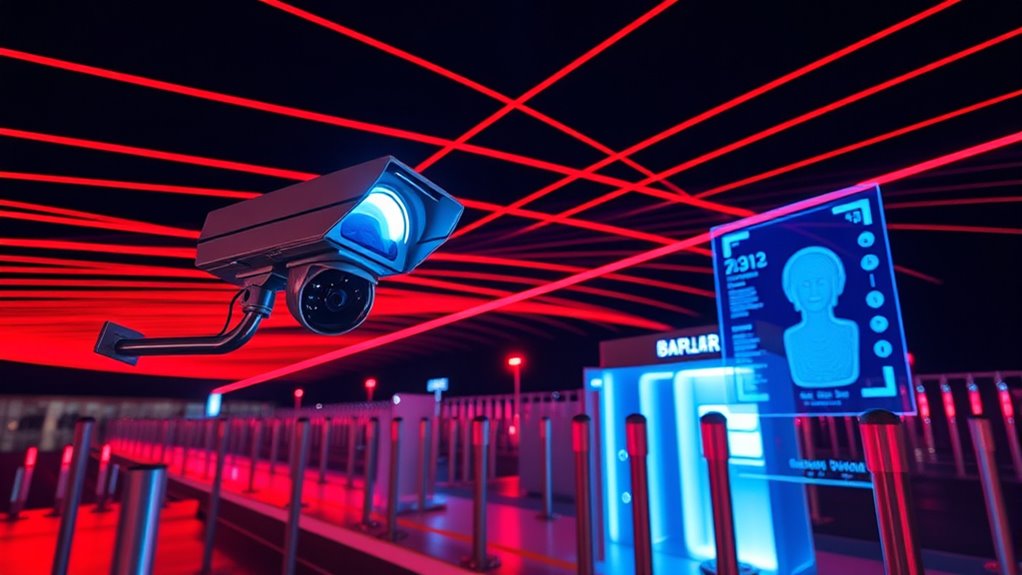

High-tech border security offers strong protection by using biometric scanners, facial recognition, and drones to monitor borders effectively. However, these advancements raise privacy concerns, such as unwarranted surveillance and data misuse. Ethical issues emerge around individual rights and the potential for abuse of power. Technological disparities create gaps in security, leaving some areas vulnerable. Balancing safety and privacy is complex, and further insights reveal how these innovations impact society and individual freedoms.
Key Takeaways
- Advanced surveillance tools improve border security but raise concerns about individual privacy rights.
- Facial recognition and biometric data can lead to wrongful identification and privacy violations.
- Technological disparities create uneven security levels, potentially marginalizing less-equipped regions.
- High-tech systems introduce new vulnerabilities, risking misuse, hacking, and abuse of surveillance data.
- Ethical debates focus on balancing safety benefits with civil liberties and preventing a two-tiered security system.
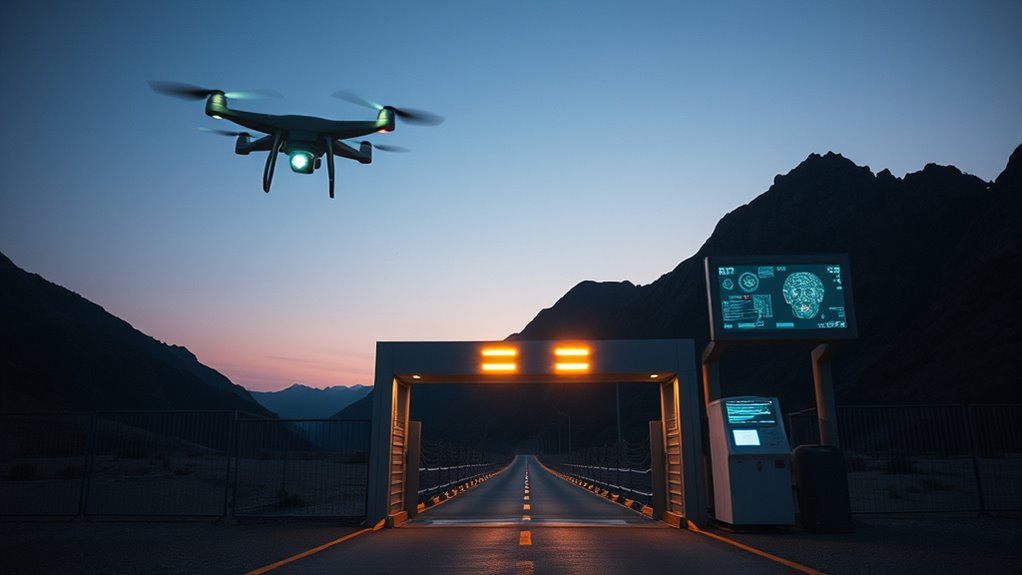
Have you ever wondered how modern technology is transforming border security? Today, nations rely heavily on advanced tools like biometric scanners, drones, and facial recognition systems to monitor and control their borders. But as these technologies become more sophisticated, questions about surveillance ethics come to the forefront. You might ask yourself whether deploying such extensive surveillance measures respects individual privacy rights or if it’s just an inevitable part of safeguarding national interests. The ethical dilemma centers on how much intrusion is acceptable when the goal is national security. Are we crossing a line by continuously expanding surveillance, or is it a necessary trade-off? Furthermore, not everyone benefits equally from these innovations. Technological disparities play a significant role in border security effectiveness. Wealthier countries or regions with advanced infrastructure can implement these systems more thoroughly, creating disparities between different borders. This uneven deployment can lead to a situation where some areas enjoy enhanced security while others remain vulnerable due to lack of resources or technology. You might also notice that these disparities can influence migration patterns and international relations, as less-equipped regions struggle to keep up with more technologically advanced neighbors. The gap in technological capabilities can perpetuate existing inequalities, making border enforcement more effective in some areas but leaving others exposed. As these technologies evolve, so do the ethical concerns around their use. For example, facial recognition systems may flag innocent individuals, raising issues about wrongful identification and privacy violations. The use of drones for surveillance can be intrusive, especially if used without clear regulations or oversight. You need to consider whether these tools are being implemented transparently and responsibly, or if they’re being exploited to infringe on personal freedoms. Notably, the integration of AI security techniques can further enhance the effectiveness of border monitoring but also introduce new vulnerabilities that need to be addressed. The ongoing debate involves balancing the benefits of high-tech border security against the risks it poses to privacy and civil liberties. It’s vital to ask whether the technological disparities among countries or regions could create a two-tiered security system—one for the privileged and one for the vulnerable. Ultimately, the question isn’t just about security but also about the kind of society we want to live in. Do we prioritize safety at all costs, or do we also value individual rights and fairness? As technology continues to advance, you’ll need to stay informed and engaged, understanding that these innovations shape not only border security but also the broader landscape of privacy and ethical standards worldwide.
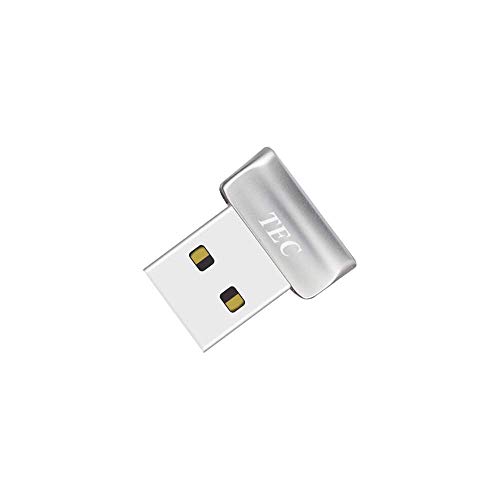
TEC Mini USB Fingerprint Reader for Windows 11/10 Hello, TEC TE-FPA2 Bio-Metric Fingerprint Scanner PC Dongle for Password-Free and File Encryption, 360° Touch Speedy Matching Security Key
- Windows 10 Compatibility: Supports Windows Hello Authentication
- Quick Fingerprint Login: Fast Fingerprint Authentication
- Secure Data Encryption: Documents/Folder Encryption
As an affiliate, we earn on qualifying purchases.
As an affiliate, we earn on qualifying purchases.
Frequently Asked Questions
How Effective Are High-Tech Border Security Measures?
High-tech border security measures are quite effective, especially with biometric data and surveillance cameras. You can see improvements in identifying and tracking individuals quickly, reducing illegal crossings. Surveillance cameras cover large areas and provide real-time monitoring, while biometric data like fingerprints or facial recognition help verify identities accurately. While these tools boost security, they also raise privacy concerns, so it is crucial to balance safety with personal rights.
What Are the Costs Associated With Implementing These Technologies?
You’ll find that the costs associated with implementing high-tech border security involve a thorough cost analysis and significant technology investment. These expenses include purchasing advanced surveillance equipment, maintaining systems, and training personnel. While upfront costs can be substantial, ongoing expenses for updates and repairs also add up. Balancing these costs against the potential benefits of enhanced security is essential, but it can strain budgets and require careful planning.
Are There Any Legal Challenges to Privacy Rights?
You’ll find that legal challenges often question whether these high-tech border security measures infringe on your privacy rights. Courts may evaluate if these technologies violate constitutional protections or if proper oversight exists. When privacy rights are at stake, legal challenges can delay or limit the deployment of certain tools. Ultimately, you should stay informed about ongoing legal debates, as they shape how your privacy is balanced with national security efforts.
How Do Border Security Technologies Impact Border Communities?
You might notice that border security technologies can affect border communities by challenging community resilience and causing cultural impacts. These technologies can lead to increased surveillance, which might create a sense of mistrust and disrupt social cohesion. While enhancing security, you could also see cultural tensions grow, especially if local traditions or privacy expectations are overlooked. Balancing security with respecting community identity is essential to minimize negative effects.
What Privacy Safeguards Are in Place for Travelers?
Traveler privacy is protected through strict data encryption protocols that secure your personal information during processing. Customs and border agencies limit access to your data, ensuring only authorized personnel can view it. Additionally, policies are in place to prevent misuse or unauthorized sharing of your information. While technology enhances border security, these safeguards aim to balance effective screening with respecting your privacy rights.

ONWOTE Face Recognition & AcuSearch, 12MP NVR 16 Channel PoE Security Camera System, 12x 6MP Color Night Vision IP Cameras, 4K 6K 16CH Commercial NVR, Total 960ft Cables, Wired CCTV for Business Home
- Facial Recognition: Reduces false alarms and saves storage
- AcuSearch Technology: Fast suspect location and video search
- Color Night Vision: AI detection activates warm lights for color images
As an affiliate, we earn on qualifying purchases.
As an affiliate, we earn on qualifying purchases.
Conclusion
So, next time you walk past a camera or scan your fingerprint, remember—you’re not just crossing a border; you’re stepping into a future where privacy might vanish completely. If we keep giving away our secrets for a false sense of security, soon there’ll be no secrets left at all. High-tech security could turn us into open books, with every move watched and every word heard. Is that the price we’re willing to pay for safety?

QEBIDUM Spy Camera Hidden Camera, Portable Tiny Rechargeable Battery Powered HD 1080P Mini Camera, Night Vision Motion Activated Micro Digital Body Nanny Cam for Home Office Car Drone
- Quick Installation: Sets up in seconds with loop recording
- Night Vision & Motion Detection: HD night vision with 6 LED lights
- Adjustable & Rotatable: 90° tilt and 350° rotation for flexible viewing
As an affiliate, we earn on qualifying purchases.
As an affiliate, we earn on qualifying purchases.

INFIYA 2K No Drill Window Camera-2 Pack 2.4Ghz & 5Ghz WiFi Dome Cameras for Home Security for Indoor & Outdoor Monitoring, Color Night Vision, Human Detection, 24/7 Recording, Ideal for Apartment, K1
- High-Resolution Glass-Clearing Image: 2K resolution with wide-angle coverage
- Color Night Vision: Vivid color footage in low light
- Easy, Drill-Free Installation: Peel and stick setup for quick mounting
As an affiliate, we earn on qualifying purchases.
As an affiliate, we earn on qualifying purchases.