
TL;DR
Unredacted NHTSA data indicates at least two Tesla robotaxi crashes involving remote drivers since July 2025. The incidents highlight safety and operational issues as Tesla expands its robotaxi service. Details on the full scope of incidents and future developments remain unclear.
Newly unredacted data from the National Highway Traffic Safety Administration (NHTSA) confirms that at least two Tesla robotaxi crashes involving remote operators occurred since July 2025, marking a significant development in the company’s autonomous vehicle program.
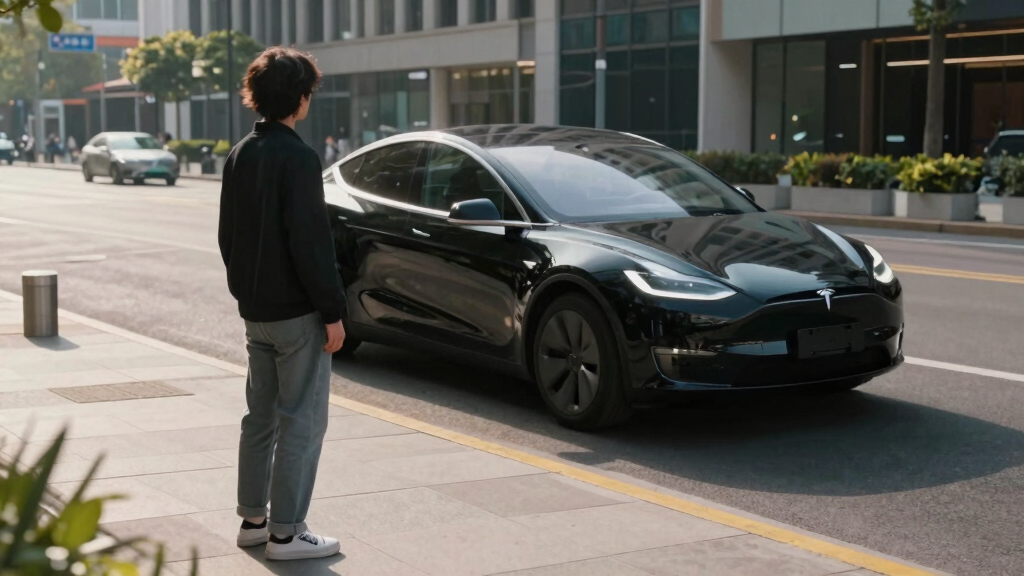
According to the NHTSA data, both crashes took place in Austin, Texas, where Tesla began offering robotaxi rides in June 2025. In both incidents, a safety monitor was behind the wheel, and no passengers were onboard at the time. One crash in July 2025 involved a remote operator who, after requesting assistance, increased the vehicle’s speed and drove it up a curb into a metal fence. The second crash in January 2026 involved a remote-controlled contact with a construction barricade at approximately 9 MPH.
Tesla has previously indicated that it allows remote operators to take control of its robotaxis, a practice that differs from other autonomous vehicle services which typically involve remote monitoring rather than direct driving. The company first disclosed this remote driving capability to lawmakers in March 2025. Not all crashes involving Tesla robotaxis have involved remote control; some incidents include minor collisions like clipping mirrors or hitting a dog, which fortunately survived. Additionally, reports from Reuters highlight operational challenges such as long wait times and inaccurate drop-off locations, further complicating Tesla’s robotaxi rollout.
Why It Matters
This development is significant because it underscores ongoing safety and operational challenges in Tesla’s autonomous vehicle program, particularly as the company pushes toward commercial robotaxi services. The involvement of remote operators in crashes raises questions about the safety and reliability of Tesla’s approach compared to competitors like Waymo. These issues could impact regulatory approval, public perception, and the company’s ability to scale its robotaxi fleet effectively.
How to Be a Better Driver: Driver Assist & Autopilot Logbook: Track trips · monitor performance · log takeovers
As an affiliate, we earn on qualifying purchases.
As an affiliate, we earn on qualifying purchases.
Background
Tesla announced its robotaxi service in Austin in June 2025, with remote driving capabilities disclosed in March 2025. While other companies like Waymo focus on autonomous driving with remote supervision, Tesla’s approach permits remote operators to actively drive the vehicles, which has led to safety incidents. Prior to these recent crashes, Tesla had reported minor collisions involving its robotaxis, but the unredacted data now reveals more serious incidents involving remote control. The broader industry faces similar hurdles, but Tesla’s progress appears slower amid these safety concerns and operational issues.
“Tesla’s reliance on remote operators in crash incidents suggests there’s still a long road ahead before their robotaxi service can operate safely at scale.”
— an industry analyst
“Tesla continuously works to improve safety and reliability of its autonomous systems, including remote operation protocols.”
— a Tesla spokesperson

70mai A810 Lite 4K Dash Cam Front and Rear, 5GHz Wi-Fi 6 DashCam, Car Camera 4G LTE Remote Access, GPS Tracking, HDR Night Vision, 24H Parking Mode, Voice Control, Emergency Lock, Loop Recording
- 4K Front and 1080P Rear Recording: High-definition dual camera for clear footage
- Wide-Angle Lenses: Reduces blind spots for comprehensive coverage
- HDR Night Vision with Large Aperture: Clear footage in low light and challenging conditions
As an affiliate, we earn on qualifying purchases.
As an affiliate, we earn on qualifying purchases.
What Remains Unclear
It remains unclear how widespread the use of remote operators is across Tesla’s entire robotaxi fleet, or whether these incidents are isolated. The full scope and number of crashes involving remote control are still unknown, as Tesla has only recently released unredacted data. The impact of these incidents on regulatory approval and future deployment plans is also uncertain.

Object Detection, Collision Warning & Avoidance Systems, Volume 2
As an affiliate, we earn on qualifying purchases.
As an affiliate, we earn on qualifying purchases.
What’s Next
Tesla is expected to review and possibly tighten controls on remote operation protocols. Further data releases and regulatory reviews will clarify the scale of incidents and safety improvements. The company may also face increased scrutiny from regulators, and industry analysts will monitor whether Tesla can address these issues to achieve broader commercial deployment.
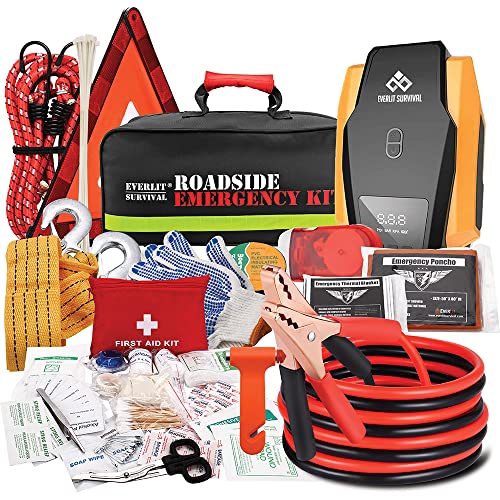
Everlit Survival Car Emergency Kit, Roadside Safety Tool Kit with Gloves,Digital Auto Air Compressor Tire Inflator, First Aid Kit, 12 Feet Jumper Cable, Tow Strap, Flashlight for Women, Men, Teenagers
- Roadside Assistance Kit: Includes essential emergency tools and accessories
- Digital Tire Inflator: Fast, auto shutoff air compressor with LED light
- 12 Feet Jumper Cables: Durable 8-gauge, 300-amp heavy-duty cables
As an affiliate, we earn on qualifying purchases.
As an affiliate, we earn on qualifying purchases.
Key Questions
How many crashes involving Tesla robotaxis have been reported?
Based on recent NHTSA data, at least two crashes involving remote operators have been confirmed since July 2025. The total number of incidents may be higher, but further data is needed for a complete picture.
What does remote driving mean for Tesla’s robotaxi safety?
Remote driving involves a human operator controlling the vehicle from a distance, which differs from fully autonomous operation. The recent incidents highlight safety risks associated with this approach, especially if remote control is used during regular operation.
How does Tesla’s approach compare to competitors like Waymo?
While Tesla permits remote operators to drive its vehicles, other companies like Waymo typically rely on remote supervision, not active driving, which may impact safety and operational reliability.
Will these incidents affect Tesla’s regulatory approval?
Potentially. Regulatory agencies may scrutinize Tesla’s safety protocols more closely, which could influence approval processes and deployment timelines.