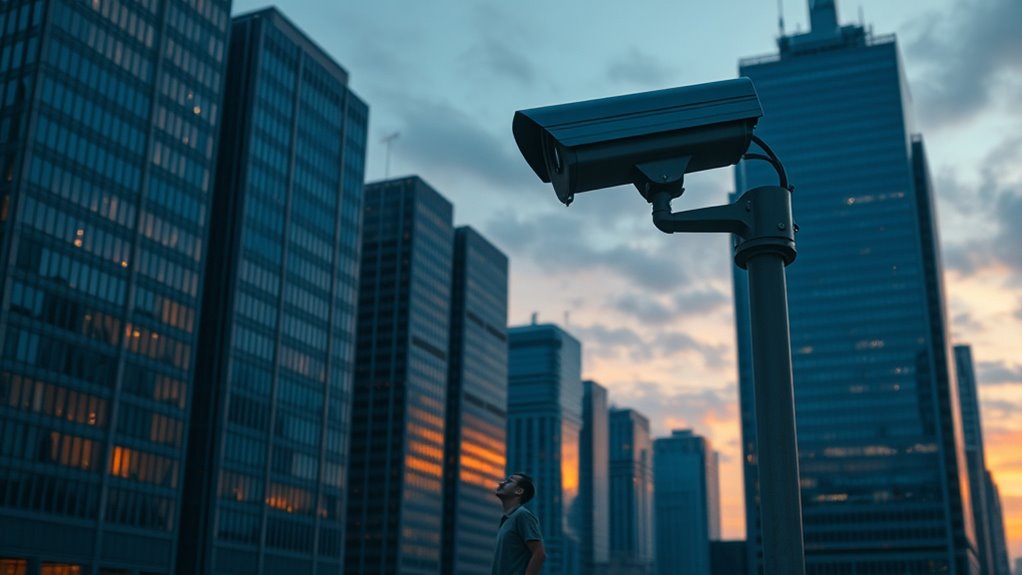

Since 9/11, U.S. surveillance laws have shifted from targeted intelligence to broad, intrusive programs. Initially, laws like the Patriot Act expanded government powers for data collection, often without warrants. Public scrutiny grew after programs like PRISM were exposed, leading to reforms like the USA FREEDOM Act, which limited bulk data collection. However, concerns about overreach persist amidst new technological challenges. To understand how these laws continue evolving, keep exploring the ongoing developments.

Get privacy and security gear delivered free — and shop member deals
- Fast, free delivery on millions of items
- Access to Prime Big Deal Days deals on October 6–7
- Prime Video, Amazon Music and more included
Key Takeaways
- Post-9/11 laws expanded surveillance powers, notably through the Patriot Act, allowing bulk data collection and warrantless wiretapping.
- Revelations by whistleblowers exposed extensive government surveillance programs like PRISM, sparking public concern.
- The USA FREEDOM Act of 2015 ended NSA’s bulk phone metadata collection and increased transparency and oversight.
- Ongoing technological advances, such as encryption, challenge existing laws, prompting continuous legislative revisions.
- The legal landscape remains complex, balancing national security needs with privacy rights amid evolving threats.
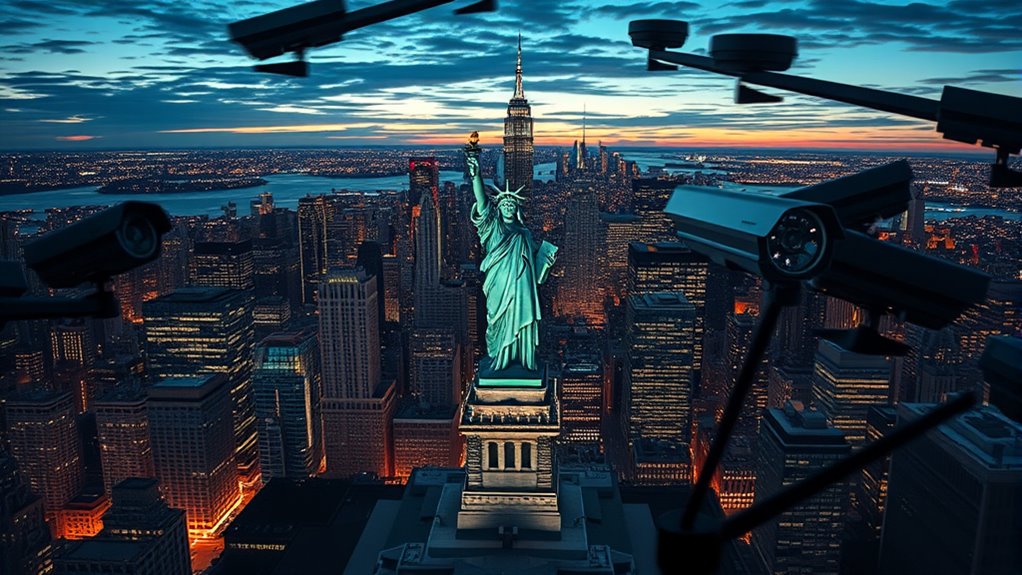
How has U.S. surveillance law evolved since 9/11? When you look at the changes over the past two decades, it’s clear that national security priorities have profoundly reshaped the legal landscape. In the immediate aftermath of 9/11, lawmakers prioritized giving intelligence agencies more authority to prevent future attacks. This led to a wave of legislative reforms aimed at expanding surveillance capabilities, often at the expense of privacy concerns. Laws like the Patriot Act was quickly enacted, granting expansive powers to law enforcement and intelligence agencies to conduct surveillance, bulk data collection, and wiretapping without requiring traditional warrants. These measures aimed to improve national security but raised alarm bells about overreach and infringement on citizens’ privacy rights.
Post-9/11 laws expanded surveillance powers, often sacrificing privacy for national security.
As the years progressed, the government’s surveillance powers faced increasing scrutiny. Revelations by whistleblowers and journalists shed light on programs like PRISM and bulk collection initiatives, revealing just how deeply surveillance had penetrated into everyday life. These disclosures sparked widespread debate about the balance between security and privacy. In response, legislative reforms began to emerge, attempting to rein in some of the more intrusive practices. For example, the USA FREEDOM Act of 2015 marked a substantial shift by ending the NSA’s bulk collection of phone metadata, emphasizing transparency and oversight. This law responded to public privacy concerns by introducing stricter limits on data collection and requiring more oversight of intelligence activities.
Despite these reforms, privacy concerns remain central to the ongoing debate. Many citizens worry that surveillance laws still grant too much power to the government, potentially infringing on individual freedoms and privacy rights. Critics argue that some legislative reforms have been too narrow or have loopholes that allow for continued overreach. As technology advances, new challenges emerge—such as encrypted communications and data stored in the cloud—that push lawmakers to revisit and revise existing laws. The tension between protecting national security and safeguarding personal privacy continues to shape the legislative landscape, prompting calls for more all-encompassing reforms. Additionally, understanding the role of creative practice in developing innovative approaches can provide insights into how policy solutions might adapt to technological changes.
Throughout this evolution, you can see that the legal framework governing U.S. surveillance has become more complex and often more contentious. The push and pull between security needs and privacy rights define the ongoing debate. While reforms like the USA FREEDOM Act have made some progress, the core issues remain unresolved, leaving you to consider how future legislative efforts will balance these competing priorities. As technology continues to evolve, so too will the laws that attempt to regulate surveillance, always with the question of privacy hanging in the balance.
encrypted communication devices
As an affiliate, we earn on qualifying purchases.
As an affiliate, we earn on qualifying purchases.
Frequently Asked Questions
How Has Public Opinion Shifted on Surveillance Since 9/11?
Since 9/11, you’ve seen public trust in surveillance programs decline as privacy concerns grow. People are more cautious about government overreach, demanding transparency and accountability. You might feel conflicted, understanding the need for security but also fearing loss of privacy rights. Overall, public opinion has shifted toward wanting better protections, balancing safety with individual freedoms, and pushing for reforms to guarantee surveillance doesn’t infringe on personal privacy.
What Are the Current Legal Limits on Government Surveillance?
Think of surveillance technology as a double-edged sword—powerful yet dangerous. Currently, the government’s surveillance is limited by laws like the USA Freedom Act, which restricts bulk data collection. Legal oversight requires courts and Congress to approve surveillance activities, preventing unchecked power. You can rest assured that, while technology advances, these legal boundaries aim to protect your privacy, balancing security needs with civil liberties.
How Does Surveillance Law Impact Individual Privacy Rights Today?
Your privacy rights are increasingly affected by surveillance laws that lead to privacy erosion. These laws often allow government agencies to collect and analyze your data without full transparency, challenging your data protection. You might feel your personal information is less secure, and your right to privacy is compromised. While safeguards exist, ongoing legal debates focus on balancing national security needs with protecting individual privacy rights.
Are There Any Recent Legislative Proposals to Reform Surveillance Laws?
Yes, recent legislative proposals aim to strengthen cyber privacy and enhance data encryption standards. Lawmakers are working to create laws that better protect your personal information from government overreach while balancing national security needs. These proposals seek to limit surveillance powers, ensure transparency, and improve encryption methods, so you have more control over your digital data. Staying informed about these changes helps you understand your rights in an evolving surveillance landscape.
How Do International Surveillance Agreements Influence U.S. Law?
International treaties and diplomatic agreements considerably influence U.S. surveillance laws by shaping cooperation with other countries. When the U.S. signs international treaties, you’ll find new legal obligations that can expand or limit surveillance activities. Diplomatic agreements often facilitate data sharing and intelligence exchanges, meaning you might see changes in how surveillance operates domestically. These international commitments help balance national security interests with privacy rights, ultimately impacting your privacy protections and the scope of surveillance laws.
Conclusion
You’ve seen how U.S. surveillance laws have expanded, how they’ve shifted, and how they’ve evolved since 9/11. You’ve learned about the balance between security and privacy, the powers granted and the rights protected, and the ongoing debate that shapes our freedoms. You understand the importance of vigilance, the need for oversight, and the impact of these laws on your daily life. Stay informed, stay engaged, and stay aware of the evolving landscape of your rights and security.
Fall Picks
fall essentials
As an affiliate, we earn on qualifying purchases.