

Exporting spy tech requires you to balance national security with international trade. Governments put strict regulations and licensing processes in place to control the transfer of sensitive surveillance tools. This helps prevent misuse by malicious actors while maintaining strategic alliances. Managing this balance involves ongoing diplomacy and oversight to protect both security interests and global commerce. If you want to see how these measures work together, keep exploring the complexities behind exporting spy technology.
Key Takeaways
- The U.S. regulates spy tech exports through licensing to prevent misuse while supporting allied security interests.
- Export controls strike a balance between national security concerns and fostering international intelligence cooperation.
- Strict regulations aim to prevent sensitive surveillance technology from falling into hostile or malicious hands.
- Diplomatic strategies use export licensing to strengthen alliances without compromising U.S. security.
- Ongoing oversight and diplomacy are essential to manage risks and promote responsible global commerce in spy tech.

Have you ever wondered how countries export advanced spy technology to allies and partners around the world? It’s a complex process that involves carefully balancing national security with global commerce. When governments share sophisticated surveillance tools, they often face scrutiny over how these technologies might be used, especially in the domain of international espionage. To manage this, they implement strict technology regulation frameworks that control the transfer of sensitive equipment. These regulations are designed to prevent the technology from falling into the wrong hands, ensuring it’s only accessible to trusted allies with clear safeguards in place. This delicate balancing act allows nations like the U.S. to support intelligence-sharing efforts while safeguarding their own security interests.
Exporting spy tech isn’t just about selling products; it’s about strategic diplomacy. Governments recognize that technology regulation isn’t just a matter of compliance but a crucial tool to shape international relationships. By setting clear boundaries on what can be exported and under what conditions, they aim to promote cooperation without compromising their own intelligence operations. Countries often establish licensing systems, requiring exporters to obtain government approval before shipping sensitive devices overseas. These licenses are scrutinized carefully, weighing potential benefits against the risks of technology misuse or espionage activities by adversaries. This process helps prevent the proliferation of advanced spy technology that could be exploited against national interests.
Governments set export boundaries and require licenses to balance intelligence sharing with national security.
At the same time, international espionage complicates these considerations. On one hand, sharing certain spy tools with allies can enhance collective security and intelligence capabilities. On the other, there’s always a risk that these technologies could leak or be intercepted by malicious actors, including hostile nations or terrorists. This creates a constant tension for policymakers, who must stay ahead of emerging threats while maintaining open channels of cooperation. They also work with international partners to develop norms and agreements that promote responsible trade in spy tech, aiming to curb illicit activities that could undermine security efforts. Recognizing the importance of color accuracy in these technologies can also influence how sensitive surveillance equipment is developed and shared.
Ultimately, the process of exporting spy technology is a strategic dance. It demands rigorous technology regulation, vigilant oversight, and ongoing diplomacy. You need to understand that behind every export license and technology transfer is a careful calculation—one that seeks to strengthen alliances and improve intelligence sharing, but not at the expense of national security. By managing these delicate trade-offs, countries can support global security initiatives while safeguarding their own interests in an increasingly interconnected world.

ANNKE 3K Lite Wired Security Camera System Outdoor with AI Human/Vehicle Detection, 8CH H.265+ DVR and 8 x 1920TVL 2MP IP67 Home CCTV Cameras with Smart Dual Light, Color Night Vision, 1TB Hard Drive
- AI Human/Vehicle Detection: Enhanced accuracy and smart searching
- Universal Compatibility: Works with TVI, AHD, CVI, CVBS, IP cameras
- Flexible Camera Support: Supports 1080P and 3K/5MP cameras
As an affiliate, we earn on qualifying purchases.
As an affiliate, we earn on qualifying purchases.
Frequently Asked Questions
How Do Export Controls Impact Global Intelligence Sharing?
Export controls can hinder global intelligence sharing by imposing diplomatic restrictions that limit the flow of sensitive spy tech. You might find that intelligence diplomacy becomes more complex as countries enforce these controls, making cooperation harder. These restrictions can slow down joint operations and reduce trust among allies, ultimately impacting the effectiveness of international security efforts. Managing these rules requires careful diplomacy to balance security interests with collaborative intelligence initiatives.
What Are the Legal Penalties for Unauthorized Spy Tech Exports?
Think you can sneak out spy tech without consequences? Think again. The legal consequences for unauthorized exports are serious — hefty fines, imprisonment, and damage to your reputation. Penalty enforcement is strict, aiming to deter illegal shipments. If you break the rules, you risk more than just a slap on the wrist; you face real legal penalties that could haunt you for years. Stay compliant, or face the music.
How Does the U.S. Monitor Compliance With Export Regulations?
You’re monitored through a combination of intelligence oversight and compliance audits conducted by agencies like the DHS and BIS. These agencies review export records, conduct inspections, and enforce regulations to guarantee you follow export controls on spy tech. You should stay up-to-date with changing rules and maintain accurate documentation. Regular audits help catch any violations early, so you can address issues promptly and avoid penalties.
Are There Exemptions for Certain Countries or Organizations?
Yes, there are exemptions for certain countries and organizations. You should be aware of country exemptions, which allow limited exports to specific nations under certain conditions. Organization waivers also exist, granting special permissions to particular entities that meet strict criteria. However, you must carefully review these exemptions and waivers, as they come with specific restrictions and reporting requirements to guarantee compliance with U.S. export regulations.
How Does Export Policy Adapt to Emerging Espionage Technologies?
Like a chess master anticipating moves, you see that export policy must adapt swiftly to emerging espionage technologies. Technological innovation pushes the boundaries, requiring policymakers to update controls and screening processes regularly. You understand that staying ahead involves balancing security with commerce, ensuring new tech doesn’t slip through the cracks. Continuous policy adaptation is essential to protect national interests while allowing legitimate trade, much like adjusting strategies in a dynamic game.
spy tech export licensing software
As an affiliate, we earn on qualifying purchases.
As an affiliate, we earn on qualifying purchases.
Conclusion
As you navigate the delicate dance of exporting spy technology, remember you’re steering a ship through a stormy sea of security concerns and global commerce. Every decision you make is like adjusting your sails to catch the right wind—balancing innovation and caution. The horizon holds opportunities and risks alike, and your choices shape the course of international trust. Stay vigilant, keep your eyes on the horizon, and steer wisely through these turbulent waters.
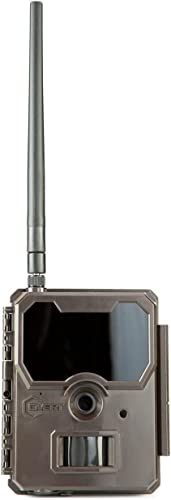
COVERT SCOUTING CAMERAS WC20-V (Verizon Wireless) 4G LTE Cellular Game & Trail Camera for Hunting Deer and Wildlife – 20mp High-Res Images & 1080p Videos Transmitted to Mobile App, CC0012
- Reliable Game Monitoring: Monitor game trails and property remotely
- High-Resolution Storage: Stores 20MP images and 1080p videos
- Wireless Transmission: Transmits previews to mobile app and web portal
As an affiliate, we earn on qualifying purchases.
As an affiliate, we earn on qualifying purchases.

As an affiliate, we earn on qualifying purchases.