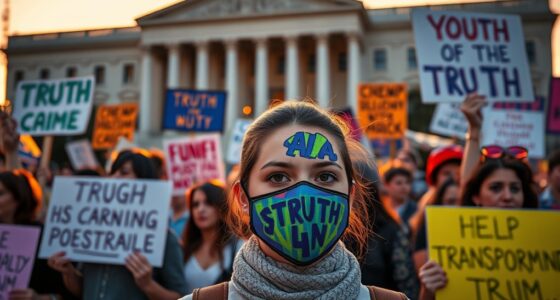

Deciding whether whistleblowers are heroes or traitors depends on your view of morality, loyalty, and transparency. While exposing misconduct can protect the greater good, it also risks legal consequences and national security. You might see them as brave, but others see betrayal. It’s a complex moral dilemma where personal integrity clashes with legal restrictions. If you want to explore how these conflicting perspectives shape the debate, there’s more to uncover below.
Key Takeaways
- The morality of leaking government secrets depends on whether it exposes misconduct or jeopardizes national security.
- Leakers face legal risks, including charges of espionage, despite acting from moral or ethical motives.
- Transparency versus security concerns creates a complex ethical dilemma, often balancing public good against potential harm.
- Perceptions of whistleblowers as heroes or traitors vary based on individual values, context, and outcomes of the leak.
- Moral clarity and willingness to accept consequences are crucial in determining whether leaking is justified or condemnable.

When someone exposes wrongdoing within an organization, the line between hero and villain often blurs. You might see yourself as a champion for truth, fighting against corruption or abuse. But others may view your actions as reckless or disloyal, especially if your revelations threaten national security or diplomatic relations. Charting this gray area involves confronting complex moral dilemmas: do you prioritize transparency and integrity, or uphold loyalty and obedience? These choices aren’t simple, and they often come with serious legal consequences. Depending on what you leak and to whom, you could face criminal charges, job loss, or even imprisonment. Yet, you might also believe that exposing unethical acts is your moral duty, even if it means risking your safety and freedom.
Exposing misconduct blurs heroism and villainy, risking legal consequences for the pursuit of truth and moral duty.
In these moments, your decision hinges on weighing the importance of the information against potential repercussions. If you leak classified documents revealing government misconduct, you might feel you’re doing the right thing—standing up for justice and protecting public interest. But the law may classify your actions as espionage or unauthorized disclosure, which can lead to harsh penalties. The stakes are high: you could be labeled a traitor by those in power or a whistleblower by those who seek accountability. Your choice becomes a moral dilemma because you’re caught between what’s legally permissible and what you believe is ethically right. Sometimes, the law conflicts with your conscience, forcing you to decide whether to follow orders or to act on your moral convictions.
You might also worry about the broader implications of your leak. Could your actions compromise ongoing operations, endanger lives, or weaken national security? These concerns add layers of complexity to your decision-making process. If you choose to go public, you risk legal backlash and social ostracism, but you might feel it’s necessary to prevent greater harm. Conversely, remaining silent could mean endorsing misconduct, which conflicts with your sense of integrity. This tension between legal consequences and moral responsibility underscores the core challenge whistleblowers face: balancing what’s right against what’s lawful. It’s a personal battle that tests your ethics and resilience.
Ultimately, whether you see yourself as a hero or a traitor depends on your perspective and values. You may believe that exposing truth serves the greater good, even if it comes with legal risks. Or you might feel that loyalty to your organization or country outweighs the moral imperative to reveal wrongdoing. Either way, it’s a decision that demands courage, moral clarity, and a willingness to accept the fallout. Understanding these dilemmas helps you grasp why whistleblowing remains one of the most morally complex acts in modern society. Additionally, advancements in home theatre technology have transformed entertainment spaces, making immersive viewing experiences more accessible and customizable than ever before.

Bonsaii 12 Sheet Paper Shredder for Home Office, Heavy Duty Cross Cut Shredder with 5.5 Gal Pullout Bin, Home Shredder for CDs/Credit Card/Document/Mail, P-4 Security Level
- Sheet Capacity: Shreds up to 12 sheets at once
- Security Level: P-4 high-security shredding
- Shred Size: Particles measure 5 x 25mm
As an affiliate, we earn on qualifying purchases.
As an affiliate, we earn on qualifying purchases.
Frequently Asked Questions
How Do Whistleblowers Choose What to Leak?
You typically decide what to leak by weighing ethical dilemmas and your moral responsibilities. You evaluate whether the information exposes wrongdoing or harms public interest. If you believe the secret involves serious misconduct, you may feel compelled to leak it. However, you also consider potential consequences, balancing the need for transparency against obligations to protect national security or personal integrity. Ultimately, your choice reflects your ethical judgment and sense of duty.
What Legal Protections Exist for Whistleblowers?
Ironically, the law promises you legal safeguards for confidential disclosures, but those protections often come with fine print. You might qualify for whistleblower protections under acts like the Whistleblower Protection Act or Dodd-Frank, shielding you from retaliation. However, enforcement varies, and you could still face risks. So, while legal safeguards exist, they’re not foolproof—making it a gamble when you decide to leak sensitive government secrets.
Can Leaking Harm National Security?
Leaking classified information can indeed harm national security by exposing sensitive details that enemies could exploit or that could undermine diplomatic efforts. You face ethical dilemmas when deciding whether transparency outweighs potential risks. While whistleblowers aim to reveal misconduct, leaking without proper channels risks compromising operations and endangering lives. Ultimately, you must weigh the importance of exposing the truth against the possible consequences to national security and public safety.
How Do Public Perceptions Differ Globally?
You’ll notice that public perceptions differ globally due to cultural attitudes and media influence. In some countries, leaking is seen as a betrayal, while others view it as a moral duty. Media coverage shapes these views, highlighting either loyalty or transparency. Your perspective on leaks depends on these cultural norms and the narratives promoted, influencing whether society regards whistleblowers as heroes or traitors.
Are There Famous Cases of Whistleblowers Changing Policy?
Yes, there are famous cases where whistleblowers have influenced policy. When you see figures like Edward Snowden or Chelsea Manning, they exposed issues that prompted government transparency debates and sparked policy reforms. These acts often involve ethical dilemmas that challenge the balance between national security and public right to know. Their actions show how whistleblowers can shape policy, but they also raise questions about legality and moral responsibility.

Kingston Ironkey Locker+ 50 32GB Encrypted USB Flash Drive | USB 3.2 Gen 1 | XTS-AES Protection | Multi-Password Security Options | Automatic Cloud Backup | Metal Casing | IKLP50/32GB,Silver
- Encryption Technology: XTS-AES with attack protection
- Security Options: Multi-password admin and user
- Cloud Backup: Automatic personal cloud backup
As an affiliate, we earn on qualifying purchases.
As an affiliate, we earn on qualifying purchases.
Conclusion
In the end, whether you see whistleblowers as heroes or traitors depends on your perspective. Like a double-edged sword, their actions can protect or harm, revealing uncomfortable truths or risking chaos. You must decide if their courage to expose secrets outweighs the potential fallout. Remember, every storm they bring to light can lead to growth or destruction—it’s all about where you stand in the storm’s eye.

Apricorn 2TB Aegis Padlock USB 3.0 256-Bit AES XTS Hardware Encrypted Portable External Hard Drive (A25-3PL256-2000)
- Hardware encrypted drive: 256-bit AES XTS encryption
- Easy PIN access: Simple to use PIN security
- Administrator password: Secure admin password feature
As an affiliate, we earn on qualifying purchases.
As an affiliate, we earn on qualifying purchases.

KYODOLED Diversion Book Safe with Combination Lock,Money Hiding Box,Safe Secret Hidden Metal Lock Box,Collection Box,9.5" x 6.2" x 2 .2",France
- Secure 3-Number Combination Lock: Hides valuables safely with combination lock
- Discreet Book Cover Design: Blends seamlessly with books and decor
- Versatile Diversion Safe: Stores money, passports, jewelry securely
As an affiliate, we earn on qualifying purchases.
As an affiliate, we earn on qualifying purchases.