
Quantum computing threatens current encryption by quickly solving problems like factoring large numbers, which many cryptographic systems depend on. This shift could make existing codes, like RSA and ECC, easily breakable in the future. To stay secure, you need to follow ongoing efforts to develop quantum-resistant encryption. If you keep exploring, you’ll discover how experts are racing to build unbreakable codes and what steps are being taken to protect your data.
Key Takeaways
- Quantum computing can efficiently break traditional encryption like RSA and ECC using algorithms such as Shor’s.
- Researchers are developing quantum-resistant cryptography to protect data against future quantum attacks.
- The ongoing arms race involves advancing quantum hardware and cryptography to achieve unbreakable security.
- Transitioning to post-quantum encryption requires significant updates across global digital infrastructure.
- Ensuring data privacy depends on rapid development, standardization, and deployment of quantum-safe cryptographic protocols.
Quantum computing is transforming the landscape of encryption, posing both exciting opportunities and serious challenges. As quantum technologies advance, they threaten to render many of our current cryptography standards obsolete. You might wonder how this shift affects your data security and what measures are being taken to stay ahead in this arms race. At the core of this revolution are quantum algorithms, which leverage the unique properties of quantum mechanics to solve problems much faster than classical algorithms. These algorithms, such as Shor’s algorithm, can efficiently factor large numbers, undermining encryption methods like RSA and ECC that rely on the difficulty of such mathematical problems. This capability puts into question the long-term viability of many cryptography standards that have been trusted for decades.
Quantum algorithms threaten current encryption, making secure digital communication a pressing challenge for the future.
You need to understand that traditional encryption methods are based on computational hardness assumptions. These assumptions hold true in classical computing, but quantum algorithms threaten to break them with alarming speed. As a result, researchers and security experts are racing to develop quantum-resistant cryptography standards—also called post-quantum cryptography—that can withstand quantum attacks. Governments and industry leaders are investing heavily in this shift, aware that the moment quantum computers become powerful enough, the encryption protecting your sensitive information could be compromised overnight. Your personal data, financial transactions, and private communications are all at risk if standards aren’t updated promptly.
The challenge lies in creating cryptographic protocols that are both secure against quantum attacks and practical for widespread use. Current efforts focus on developing new algorithms based on lattice problems, hash-based cryptography, and other mathematical structures resistant to quantum algorithms. Implementing these new standards isn’t straightforward; it requires widespread updates to existing infrastructure, software, and hardware. You’ll need to stay informed about these changes, as organizations will gradually shift toward quantum-safe encryption to protect your digital life. The shift is vital because once quantum computers reach a certain threshold, the encryption methods we rely on today could become trivial to crack.
In essence, understanding the role of quantum algorithms in breaking cryptography standards highlights the urgency of adopting new security measures. It’s a high-stakes race where the winners will shape the future of digital security, and you’ll want to be aware of how this evolving landscape might impact your privacy and safety. Ensuring your data remains secure in a post-quantum world depends on how quickly we can develop, standardize, and deploy these quantum-resistant cryptographic solutions. Furthermore, cybersecurity vulnerabilities during this transition period could be exploited by malicious actors, emphasizing the importance of proactive security measures.

Your Firewall Can’t Handle This!!
As an affiliate, we earn on qualifying purchases.
As an affiliate, we earn on qualifying purchases.
Frequently Asked Questions
How Soon Will Quantum Computers Fully Break Current Encryption Methods?
You probably wonder when quantum computers will fully break current encryption methods. Based on the quantum timeline, experts estimate it could happen within the next 10 to 20 years. As quantum tech advances, you’ll see encryption vulnerabilities emerge, making your data more at risk. Staying ahead requires adopting quantum-resistant encryption now, so you’re prepared before quantum computers become powerful enough to compromise existing security systems.
What New Encryption Techniques Are Being Developed to Counter Quantum Threats?
They say prevention is better than cure, and that’s true for quantum threats. To stay ahead, you’re seeing the development of post-quantum cryptography, especially lattice-based encryption, which resists quantum attacks. These new techniques aim to secure your data even when quantum computers mature, ensuring your information remains safe. By adopting these advancements now, you’re strengthening your defenses against the coming quantum era, keeping your digital world secure.
Can Existing Classical Computers Simulate Quantum Algorithms for Cryptanalysis?
Classical computers can’t effectively simulate quantum algorithms due to their limitations in handling quantum states and superposition. You’ll find significant simulation challenges, especially as quantum systems grow more complex, making it impractical for classical machines to replicate quantum processes accurately. This means that, for now, classical computers are unable to perform cryptanalysis that fully leverages quantum algorithms, underscoring the unique power of quantum computing in breaking cryptographic codes.
How Will Quantum-Resistant Encryption Impact Global Data Security?
Brace yourself—quantum-resistant encryption is about to revolutionize your world. Post-quantum algorithms will safeguard your data against future quantum threats, ensuring your privacy remains intact. As nations grapple with data sovereignty, this tech will empower you to control your information across borders securely. Expect a seismic shift in global data security, with your personal and business data better protected, making breaches increasingly unlikely in the quantum era.
Are There Ethical Concerns Surrounding Quantum Computing’s Ability to Break Encryption?
Yes, there are ethical concerns about quantum computing breaking encryption. You might worry about privacy concerns, as sensitive data could be exposed, threatening individual rights. It also raises questions about digital sovereignty, as nations could gain unfair advantages or control over information. You should consider how to balance technological progress with responsible use to safeguard privacy and ensure fair access, avoiding misuse or exploitation of this powerful technology.
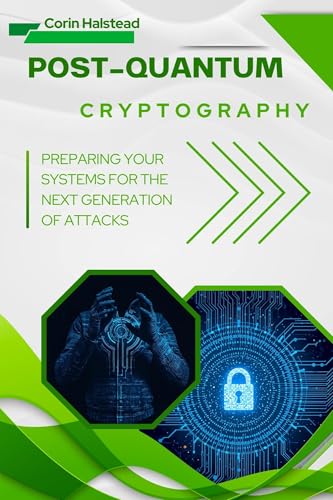
Post-Quantum Cryptography: Preparing Your Systems for the Next Generation of Attacks
As an affiliate, we earn on qualifying purchases.
As an affiliate, we earn on qualifying purchases.
Conclusion
As you step into this high-stakes chess game between quantum computing and encryption, remember it’s like a race to build the strongest fortress. Quantum threatens to open the gates, but encryption is evolving its defenses just as fast. Staying ahead means you’re constantly rewriting the rules of the game, turning the battlefield into a fortress that even the most powerful quantum attacks can’t breach. In this arms race, your security depends on outsmarting the next move.

Quantum Computing for Computer Scientists
As an affiliate, we earn on qualifying purchases.
As an affiliate, we earn on qualifying purchases.

Mastering AI-Driven Identity: Explainable, Quantum-Ready IAM for the Real World
As an affiliate, we earn on qualifying purchases.
As an affiliate, we earn on qualifying purchases.