
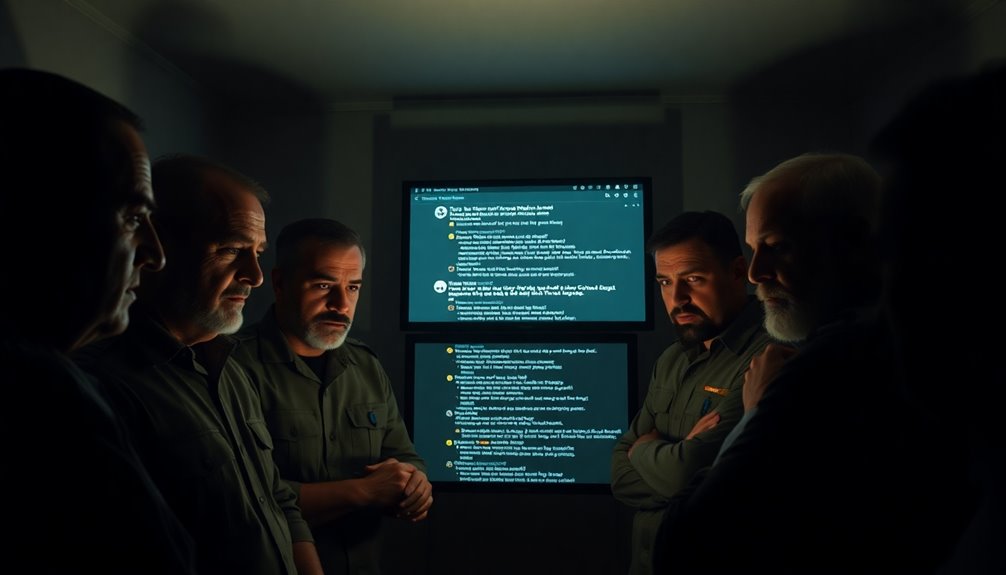
In a major security blunder, a journalist was accidentally included in a private Signal chat among top U.S. officials discussing classified military operations against the Houthis in Yemen. This chat featured high-ranking officials, including the Vice President, Defense Secretary, and National Security Adviser, and it took place just days before President Trump authorized airstrikes on March 15, 2025. During the discussion, sensitive information about target locations, weapon packages, and the sequence of attacks was shared, raising serious concerns about operational security.

Get privacy and security gear delivered free — and shop member deals
- Fast, free delivery on millions of items
- Access to Prime Big Deal Days deals on October 6–7
- Prime Video, Amazon Music and more included
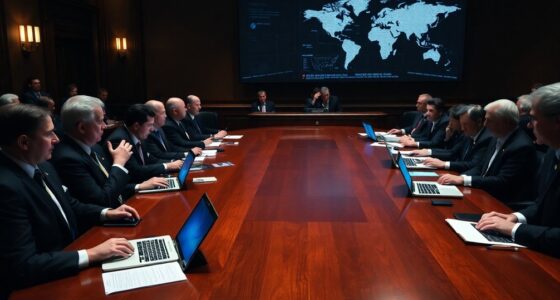
The chat included top Trump administration officials who were debating critical aspects of the military plan, which further emphasizes the gravity of the situation. The National Security Council has confirmed the authenticity of the chat and launched an internal investigation to determine how the journalist got added. Brian Hughes, the NSC spokesperson, acknowledged the leak and the serious implications it carries. Political reactions have been swift, with Democratic lawmakers condemning the incident as a significant breach of military intelligence. President Trump claimed he was unaware of the incident, but the fallout may affect more than just public perception.
While no immediate consequences have been reported for the senior officials involved, the situation highlights a double standard. Lower-ranking officials typically face severe repercussions for similar breaches, including loss of security clearances. The leaked information could have severe legal ramifications under the Espionage Act, which governs the handling of national defense information.
Pentagon regulations explicitly forbid using messaging apps like Signal for classified discussions, yet here we are, facing the repercussions of this oversight. The internal probe will likely scrutinize how a ‘principles committee’ was set up on Signal for high-level coordination. The group chat included key figures such as the Secretary of State and the CIA Director, who exchanged operational details that culminated in airstrikes conducted just hours after the discussions.
These strikes resulted in significant casualties, with at least 53 reported by Houthi sources. Critics argue that this reckless handling of sensitive information not only endangers the lives of troops but also undermines national security protocols. The potential risks posed by such leaks can’t be overstated, even if, thankfully, none were realized this time.
Standard procedures for handling classified information seem to have been disregarded, raising questions about the security measures in place. As this investigation unfolds, the implications for national security and the accountability of those involved will be closely watched.
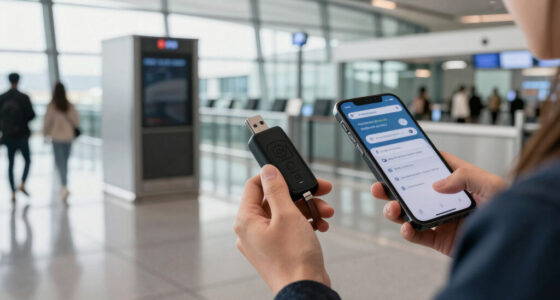
encrypted messaging app for secure communication
As an affiliate, we earn on qualifying purchases.
As an affiliate, we earn on qualifying purchases.
Fall Picks
fall essentials
As an affiliate, we earn on qualifying purchases.