
The codebreaking roots of AI trace back to WWII efforts like cracking the Enigma machine, where pattern recognition and automation played key roles. Over time, manual methods evolved into algorithms that process vast data sets, enabling machines to find subtle clues in complex messages. Neural networks, inspired by the human brain, further advanced decoding through deep learning and transformers, leading to smarter systems that understand language, images, and speech. If you keep exploring, you’ll uncover how this DNA shaped modern AI’s intelligence.
Key Takeaways
- AI’s origins stem from WWII codebreaking efforts like the Enigma machine, emphasizing pattern recognition and automation.
- Transitioned from manual decoding to advanced algorithms capable of processing vast datasets rapidly.
- Neural networks mimic brain neurons, enabling AI to recognize complex patterns in encrypted messages.
- Deep learning and transformers enhance AI’s ability to understand nuanced information beyond surface patterns.
- Modern AI continues evolving from simple codebreaking to sophisticated data interpretation and security solutions.
Have you ever wondered how artificial intelligence deciphers complex information? It’s a fascinating process that hinges on understanding and mimicking the way humans solve puzzles. If you look back, you’ll see that the roots of AI are deeply embedded in codebreaking efforts, starting with wartime efforts like cracking the Enigma machine. During World War II, codebreakers faced the monumental task of deciphering encrypted messages from the Germans. Their success depended on developing innovative methods to analyze patterns, test hypotheses, and automate processes — principles that still underpin modern AI. The Bombe machine, for example, was designed to identify the settings of the Enigma machine by rapidly testing different combinations, a precursor to the algorithmic thinking that powers today’s neural networks.
AI’s roots lie in wartime codebreaking, where pattern analysis and automation paved the way for today’s neural networks and deep learning.
Fast forward to today, and you see that AI’s evolution is like an intricate tapestry woven from those early codebreaking threads. Instead of manual testing, modern AI employs algorithms that can process enormous datasets at lightning speed. These algorithms identify subtle patterns and correlations that would be impossible for humans to detect unaided. Think of it as teaching a machine to recognize the language of a secret code, then letting it analyze and decode that language on its own. This journey from manual deciphering to machine learning is what transformed AI from simple rule-based systems to sophisticated models capable of learning from data.
At the core of this transformation are neural networks, inspired by the structure of the human brain. They mimic how neurons work together to recognize patterns and make decisions. You can think of them as digital detectives, sifting through vast amounts of information to find clues. These networks are trained on enormous datasets, much like how codebreakers studied intercepted messages and encryption patterns. During training, the AI adjusts its internal parameters, gradually improving its ability to recognize complex structures—be it language, images, or even speech. Moreover, the development of robust safety measures is crucial to ensure AI systems remain trustworthy and secure, especially as they become more capable.
The leap from early cryptographers to modern AI involved adopting new techniques like deep learning, which stacks multiple layers of neural networks to extract increasingly abstract features. This layered approach allows AI to decode not just surface-level patterns but deeper, more nuanced information. It’s akin to progressing from basic cipher decoding to understanding the intent behind the message. Today’s transformers, the cutting-edge in AI, take this concept even further, enabling machines to handle language and data with an unprecedented level of comprehension. Just as codebreakers evolved from simple cipher machines to complex algorithms, AI continues to push the boundaries of decoding the secrets hidden in data, revealing the core “DNA” of intelligence itself.

Da Vinci Code Mini Cryptex Valentine's Day Interesting Creative Romantic Birthday Gifts For Her
- Creative Puzzle Gift Box: Unlock with six-digit code
- Complex Cipher Mechanism: 6 turntables with 26 letters each
- Customizable Password: Set your own code easily
As an affiliate, we earn on qualifying purchases.
As an affiliate, we earn on qualifying purchases.
Frequently Asked Questions
How Does Ai’s Codebreaking Compare to Human Intuition?
AI’s codebreaking outpaces human intuition in speed and pattern recognition, processing vast data sets rapidly. You might notice that AI can identify complex patterns without fatigue, unlike humans who rely on experience and intuition. While humans excel at understanding context and making creative leaps, AI relies on algorithms and training data. Together, they complement each other, with AI enhancing efficiency and humans providing insight and judgment.
What Are the Ethical Concerns in AI Codebreaking?
You’re walking a fine line when it comes to AI codebreaking ethics. Privacy concerns emerge as AI uncovers sensitive data, and there’s the risk of misuse or bias in algorithms. You must also consider transparency, ensuring AI decisions are understandable. It’s a case of not throwing the baby out with the bathwater; responsible development helps prevent unintended harm, safeguarding trust and societal values in this powerful technology.
Can AI Learn to Break New, Complex Encryption Methods?
Yes, AI can learn to break new, complex encryption methods. You might find that with enough data and advanced algorithms, AI models can identify patterns and vulnerabilities in encryption schemes that humans might miss. As AI continues to evolve, it becomes more capable of tackling sophisticated security measures, which raises both exciting opportunities for cybersecurity and serious concerns about privacy and misuse. You should stay informed about these developments to understand their implications.
How Does Quantum Computing Impact Ai’s Codebreaking Abilities?
Quantum computing markedly enhances AI’s codebreaking abilities by processing complex calculations at unprecedented speeds. You’d find that quantum algorithms can analyze encryption patterns more efficiently, potentially cracking codes that classical computers struggle with. This leap allows AI to tackle advanced encryption methods faster, making it a powerful tool for cybersecurity and cryptanalysis. However, it also raises concerns about security, as quantum-enabled AI could compromise sensitive information more easily.
What Are the Future Applications of AI in Cybersecurity?
You can expect AI to revolutionize cybersecurity by proactively detecting threats, automating responses, and analyzing vast data faster than ever. It’ll help identify vulnerabilities before hackers exploit them, enhance user authentication through biometric data, and keep systems updated against evolving malware. AI’s predictive capabilities will allow you to stay ahead of cybercriminals, making your digital environment more secure, resilient, and adaptable to future challenges.

Break the Code: Cryptography for Beginners (Dover Kids Activity Books)
As an affiliate, we earn on qualifying purchases.
As an affiliate, we earn on qualifying purchases.
Conclusion
You might think that after all this codebreaking history, AI’s secrets are finally unraveled. But in reality, the more we decode, the more mysteries emerge—like a modern enigma that keeps evolving. Ironically, the very tools we create to understand AI only deepen its complexity, reminding us that sometimes, the greatest breakthroughs come from embracing that we’ll never fully crack the code. After all, isn’t that what makes the quest so endlessly fascinating?

Neural-Symbolic AI: The Future of Explainable and Efficient AI
As an affiliate, we earn on qualifying purchases.
As an affiliate, we earn on qualifying purchases.
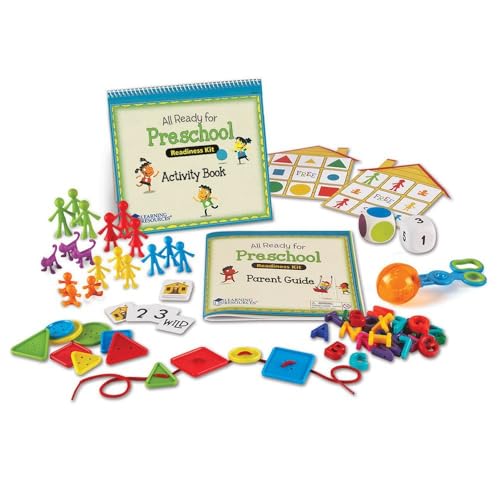
Learning Resources All Ready For Preschool Readiness Kit – 60 Activities Set, Ages 3+, Kindergartner Preparation Kit, Preschool Homeschool Curriculum
- Theme and Design: Kid-friendly family theme with carrying case
- Educational Focus: Teaches numbers, alphabet, colors, shapes
- Activity Collection: Includes diverse activities and tools
As an affiliate, we earn on qualifying purchases.
As an affiliate, we earn on qualifying purchases.