
Stingray devices pretend to be legitimate cell towers, tricking your phone into connecting without your knowledge. Once connected, they can collect details like your phone number, location, and unique device identifiers, often capturing data from many phones at once. Law enforcement uses them for investigations but often do so without warrants, raising privacy concerns and legal questions. Understanding their full impact can reveal how these tools affect your personal privacy and rights.
Key Takeaways
- Stingray devices imitate legitimate cell towers to trick phones into connecting without user awareness.
- They collect data such as phone numbers, GPS locations, and device identifiers in real time.
- Operate covertly over large areas, capturing information from hundreds or thousands of phones simultaneously.
- Usually used by law enforcement without warrants, raising privacy and constitutional concerns.
- Legal debates focus on balancing security needs with individuals’ privacy rights and civil liberties.
Have you ever wondered how law enforcement tracks your mobile phone location without a warrant? It’s a question that often comes up as technology advances and privacy concerns grow. One tool they use is called a Stingray, a device that mimics a cell tower and tricks your phone into connecting with it, revealing your location and other data. While these devices can be incredibly effective for tracking suspects or locating missing persons, their use raises serious legal implications and privacy issues. Many people aren’t aware that law enforcement agencies can deploy Stingrays without obtaining a warrant, which sparks debates about constitutional rights and the limits of government surveillance.
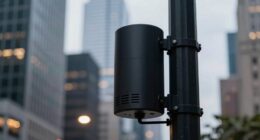
When a Stingray is activated, it sends out signals that appear to be legitimate cell towers, prompting nearby mobile phones to connect to it. Once connected, the device can gather information like your phone number, GPS coordinates, and even the unique identifiers that distinguish your device from others. This process happens in real time and often without your knowledge, making it a powerful but controversial surveillance method. Because Stingrays can sweep through large areas, they can collect data from hundreds or even thousands of phones simultaneously, raising serious privacy concerns. People worry that such broad surveillance can lead to unwarranted tracking, violations of personal privacy, and the potential misuse of data. Additionally, the use of these devices has prompted legal challenges and calls for clearer regulations to safeguard civil liberties.
The legal implications surrounding Stingray use are complex. While law enforcement agencies argue that these devices are essential tools for crime fighting and national security, courts have started to scrutinize their deployment. In many cases, authorities have used Stingrays without a warrant, claiming that their use falls under exigent circumstances or that they are not subject to the same rules as traditional wiretapping. However, privacy advocates contend that such practices violate the Fourth Amendment, which protects against unreasonable searches and seizures. Some courts have ruled that warrantless Stingray use is unconstitutional, emphasizing the need for proper judicial oversight. As a result, many jurisdictions now require law enforcement to obtain a warrant before deploying these devices, but ongoing legal debates continue to shape their permissible use.
Ultimately, Stingray surveillance exemplifies the tension between effective law enforcement and individual privacy rights. While they can be instrumental in solving crimes, their covert nature and ability to sweep up data from innocent bystanders make them a flashpoint in discussions about surveillance laws and civil liberties. As technology evolves, so too does the need for clear legal standards that balance public safety with respect for personal privacy. The legality of Stingray devices remains a contentious issue as courts and legislators work to establish boundaries for their use.

Simket Faraday Bags for Phones and Car Key 2 Pack, Signal Blocking Pouch, Cell Phone Signal Blocker, Car Key/WiFi/RFID/GPS Signal Blocker
- Strong Signal Blocking: Blocks all signals including WiFi, Bluetooth, RFID, GPS, and cell phones
- Privacy Protection: Prevents data theft and interference during travel and business
- Larger Size: 21cm x 12cm for wider device compatibility
As an affiliate, we earn on qualifying purchases.
As an affiliate, we earn on qualifying purchases.
Frequently Asked Questions
Can Civilians Legally Use Stingray Devices?
Civilians generally can’t legally use Stingray devices due to strict legal restrictions. These devices are typically reserved for law enforcement and authorized agencies because of privacy concerns and potential misuse. If you attempt civilian use, you risk violating federal and state laws, which could lead to criminal charges. Always remember, deploying such surveillance tools without proper authorization is illegal and can seriously harm others’ privacy rights.
How Do Law Enforcement Avoid Detection When Deploying Stingrays?
Law enforcement avoid detection when deploying stingrays by employing stealth techniques and prioritizing operational security. They operate discreetly, often using encryption and blending into the environment to prevent suspects or the public from noticing their devices. They also limit the device’s transmission range and use specialized protocols to minimize signals that could reveal their presence. These practices help maintain stealth while gathering vital intelligence without alerting targets.
What Are the Privacy Implications of Stingray Surveillance?
Did you know that over 80% of Americans are concerned about privacy? Stingray surveillance raises significant privacy concerns because it can intercept personal calls, texts, and location data without warrants. While law enforcement argues it’s necessary for safety, it threatens civil liberties by potentially targeting innocent people. You might worry about constant monitoring infringing on your right to privacy, making it essential to balance security needs with individual freedoms.
Are Stingray Devices Effective Against Encrypted Phones?
Stingray devices struggle against encrypted phones because encryption barriers prevent easy access during signal interception. While they can locate and connect to phones, the encryption often blocks data extraction or listening in on conversations. You might think they’re effective, but encryption considerably limits their capabilities. To truly bypass encryption barriers, specialized tools or legal procedures are required, making Stingrays less reliable against fully encrypted devices.
How Can Individuals Protect Their Phones From Stingray Tracking?
To protect your phone from stingray tracking, you should use encrypted communication apps for sensitive conversations. Turn off your phone or enable airplane mode when you’re in high-risk areas, making it harder for stingrays to locate you. Consider signal jamming devices or apps that block tracking signals, but be aware of legal restrictions. Regularly update your phone’s software to patch vulnerabilities and stay ahead of potential spying threats.

LandAirSea 54 GPS Tracker – Made in the USA from Domestic & Imported Parts. Long Battery, Magnetic, Waterproof, Global Tracking. Subscription Required
- Global GPS Tracking: Accurate worldwide location tracking
- Real-Time Movement Updates: Location updates every 3 seconds
- Long Battery Life: Extended battery with motion activation
As an affiliate, we earn on qualifying purchases.
As an affiliate, we earn on qualifying purchases.
Conclusion
You might think Stingray devices are just simple tools for tracking phones, but they actually operate with complex technology that mimics cell towers, potentially intercepting more than just location data. Some experts argue these devices could be used for broader surveillance, raising ethical questions about privacy. While their effectiveness is clear, the full extent of their capabilities remains debated. Understanding this technology forces you to contemplate how much of your personal life might be unknowingly exposed.
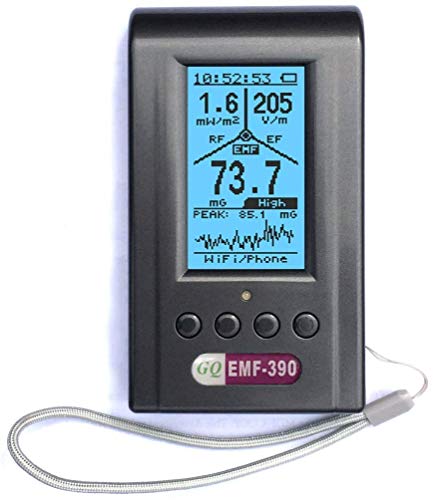
EMF Meter,Advanced GQ EMF-390 Multi-Field Electromagnetic Radiation 3-in-1 EMF ELF RF meter, 5G Cell Tower Smart meter Wifi Signal Detector RF up to 10GHz with Data Logger and 2.5Ghz Spectrum Analyzer
- High Sensitivity Sensors: Detects power lines, smart meters, and more
- Source Identification: Recognizes power lines, cell towers, microwaves
- Instant Safety Alerts: Provides real-time safety suggestions
As an affiliate, we earn on qualifying purchases.
As an affiliate, we earn on qualifying purchases.

Privacy Permission Detector Free – Learn about every app permission for potential malware and privacy protection to keep your device healthy with full security
- User-Friendly Interface: Easy to use
- Fast Scanning: Ultra Fast Scanning Engine
- Compact Design: Small Size
As an affiliate, we earn on qualifying purchases.
As an affiliate, we earn on qualifying purchases.