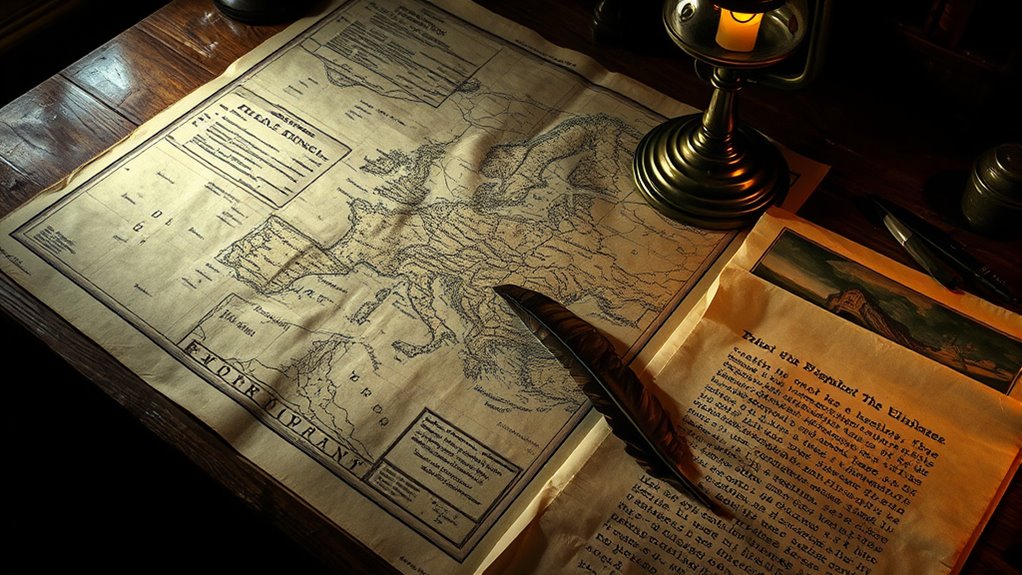

The Zimmermann Telegram was a secret German message sent in 1917 proposing a military alliance with Mexico against the U.S., promising to recover lost territory. British intelligence intercepted and decrypted the message using advanced cryptanalysis, revealing Germany’s plans to involve America in World War I. When the U.S. learned about it, public opinion shifted, and war became inevitable. Explore further to see how this covert communication truly changed history.

Get privacy and security gear delivered free — and shop member deals
- Fast, free delivery on millions of items
- Access to Prime Big Deal Days deals on October 6–7
- Prime Video, Amazon Music and more included
Key Takeaways
- The Zimmermann Telegram was a secret German message proposing an alliance with Mexico against the U.S. during WWI.
- British intelligence intercepted and deciphered the message, revealing Germany’s plans to involve the U.S. in the war.
- Its exposure shifted American public opinion, fueling anti-German sentiment and pushing the U.S. toward entering WWI.
- The interception broke U.S. neutrality, leading to the U.S. declaring war on Germany shortly after the message was decoded.
- The telegram demonstrated the critical role of espionage and cryptanalysis in shaping global historical events.
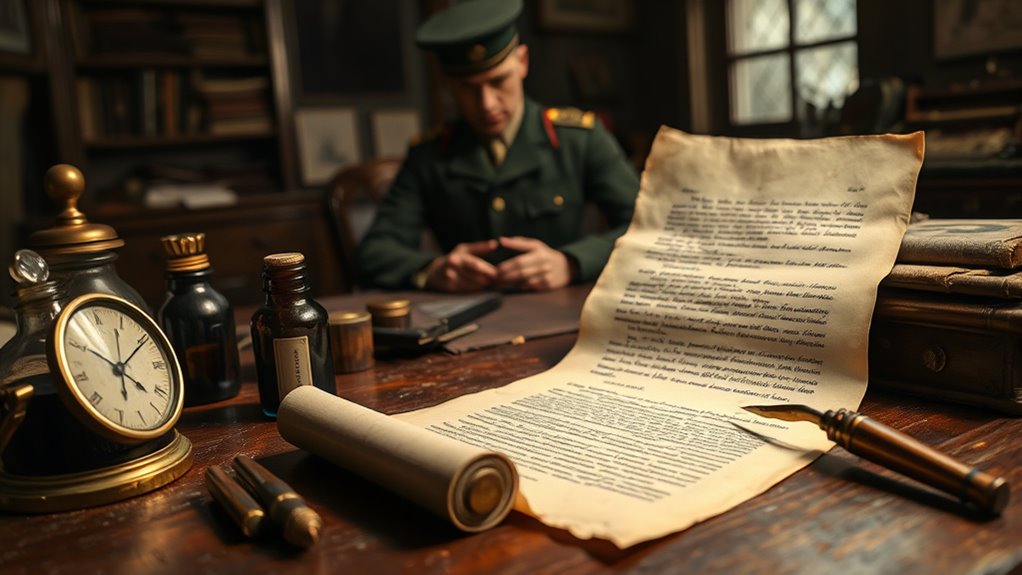
Have you ever heard of a secret message that changed the course of history? The Zimmermann Telegram is exactly that—a covert communication that shifted the tides of World War I. When British intelligence intercepted this coded message in 1917, it set off a chain reaction that would alter global diplomacy forever. You see, the telegram was sent by Germany’s Foreign Minister, Arthur Zimmermann, to Mexico, proposing a secret alliance against the United States. The Germans promised Mexico territory lost in previous conflicts if they joined the Central Powers. But what made this message so significant wasn’t just its content; it was how it was uncovered and the implications it carried.
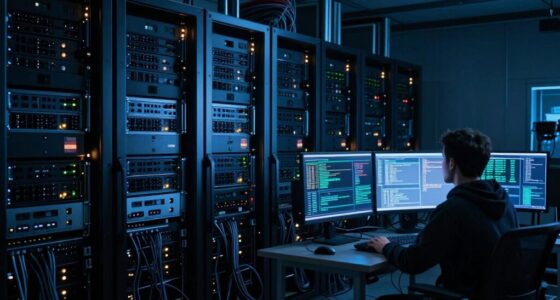
Espionage tactics played a pivotal role in this story. British spies and codebreakers used advanced cryptanalysis to decipher the German message, which had been encrypted using then-state-of-the-art cipher systems. Once they cracked the code, they quickly realized the potential impact of the telegram. The contents revealed Germany’s plans to drag the United States into the war, which was a game-changer. The British then acted swiftly, forwarding the decoded message to American authorities. The revelation of the telegram’s contents shocked the U.S. government and swayed public opinion, pushing America closer to entering the war.
The diplomatic repercussions of intercepting and revealing the Zimmermann Telegram were profound. It shattered the previously neutral stance of the United States and provided a clear reason to join the Allies. The telegram’s exposure ignited anti-German sentiment across America and made it impossible for President Woodrow Wilson to ignore the threat. The message not only exposed Germany’s aggressive intentions but also highlighted the risks of secret diplomacy. It showed how espionage tactics could influence international relations and shift diplomatic balances. Advanced cryptanalysis played a crucial role in this success, demonstrating the importance of technological innovation in wartime intelligence. The U.S. declared war on Germany shortly after, turning the tide of the war and marking a pivotal moment in history.
In essence, the Zimmermann Telegram exemplifies the power of intelligence and espionage in shaping world events. It reminds you that behind diplomatic negotiations, covert operations, and secret messages can have outsized effects. When intercepted, this particular message set into motion a series of events that resulted in a major shift in global alliances and military engagement. It proved that even a single piece of secret information, if uncovered, can ripple through history, leading to wars, peace treaties, and the reshaping of nations. The telegram’s story isn’t just about espionage tactics; it’s about how the secrets we keep can change everything.
cryptanalysis books
As an affiliate, we earn on qualifying purchases.
As an affiliate, we earn on qualifying purchases.
Frequently Asked Questions
How Did the British Manage to Intercept the Telegram?
You should know that the British managed to intercept the Zimmermann Telegram through their advanced cryptanalysis breakthroughs and skillful diplomatic espionage. They had broken German codes, allowing them to read encrypted messages. By infiltrating German diplomatic circles and employing talented codebreakers, the British uncovered the telegram’s contents before it reached Mexico, giving them a strategic advantage and considerably influencing U.S. involvement in World War I.
What Were Germany’s Strategic Reasons for Sending the Telegram?
Imagine a tense game of chess, with Germany strategizing to outmaneuver its enemies. They sent the telegram to lure Mexico into joining their side, aiming to distract Britain and the Allies. Their diplomatic motives sought to weaken opponents, while their military strategy relied on opening a new front in North America. Germany hoped that with Mexico’s support, they’d turn the tide of WWI in their favor, altering the war’s course.
How Did the Public React to the Telegram’s Revelation?
You see, when the telegram’s contents become public, you witness intense public outrage and patriotic fervor. People feel betrayed by Germany’s secret attempt to incite Mexico against the U.S., which sparks widespread anger. This revelation fuels a surge of support for entering the war, as citizens rally around their country. The telegram’s exposure shifts public opinion, making war seem not just inevitable but necessary to defend national honor.
Were There Any Other Similar Covert Communications During WWI?
You might think the Zimmermann Telegram was unique, but history shows codebreaking and espionage tactics were common during WWI. Other covert communications, like diplomatic cables and secret messages, also played roles in shaping the war. These tactics reveal how nations relied on intelligence to outwit each other, often keeping secrets that, when uncovered, could shift the entire course of history. Ironically, secrecy sometimes backfired spectacularly.
What Long-Term Impacts Did the Telegram Have on Diplomatic Relations?
The telegram caused significant diplomatic shifts and alliance realignments, making nations more cautious about secure communication. You see, it exposed vulnerabilities in diplomatic channels, prompting countries to strengthen secrecy measures. This event also fostered mistrust among nations, influencing future diplomatic protocols. Ultimately, the telegram’s revelation reshaped international relations, emphasizing the importance of intelligence and secure diplomacy in maintaining alliances and preventing misunderstandings that could lead to conflict.
Conclusion
So, imagine how one intercepted message could shift the course of history. The Zimmermann Telegram didn’t just reveal secret plans; it ignited the United States’ entry into World War I. Without that intercepted note, would the war have taken a different turn? It’s a reminder that sometimes, a single piece of hidden information can change everything. Are you seeing how a tiny telegram can alter the fate of nations?
Fall Picks
fall essentials
As an affiliate, we earn on qualifying purchases.