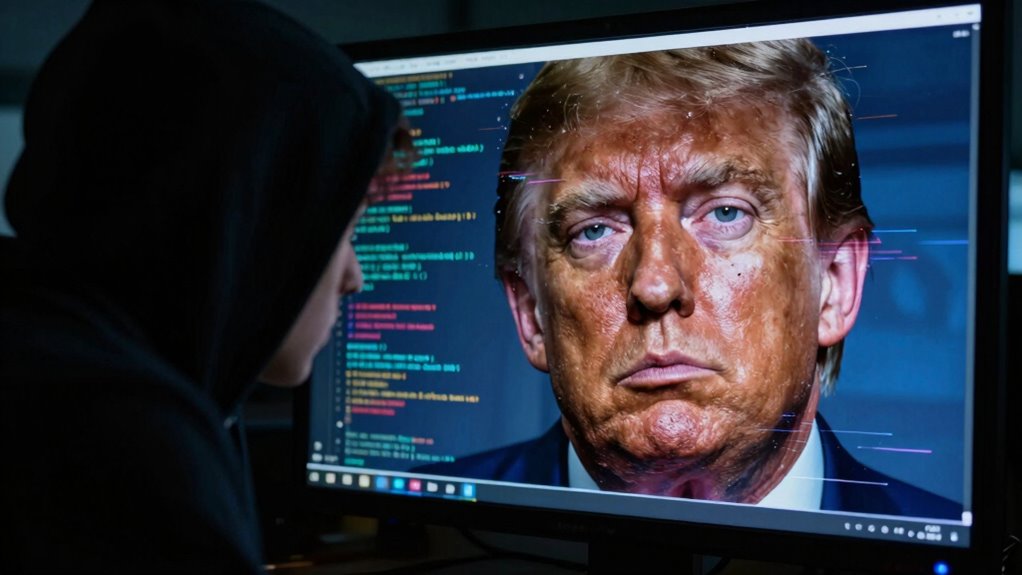
Deepfake election warnings have shifted security messaging to focus on digital literacy and awareness. You’re encouraged to verify content, question suspicious videos, and consult multiple sources before accepting information as true. Authorities emphasize transparency and educate the public to recognize manipulated media. These efforts aim to build resilience and trust, safeguarding electoral processes from digital deception. If you’re curious about how these strategies are evolving further, there’s more to explore below.
Key Takeaways
- Deepfake warnings shifted security messaging toward emphasizing digital literacy and critical evaluation skills for voters.
- Authorities now focus on transparency, guiding the public to verify content and recognize manipulation signs.
- Integration of detection tools and authentication methods into social media enhances real-time content verification.
- Messaging strategies promote resilience by encouraging skepticism and cross-checking information from multiple sources.
- Overall, security communication has evolved to foster awareness, trust, and proactive defense against digital misinformation.
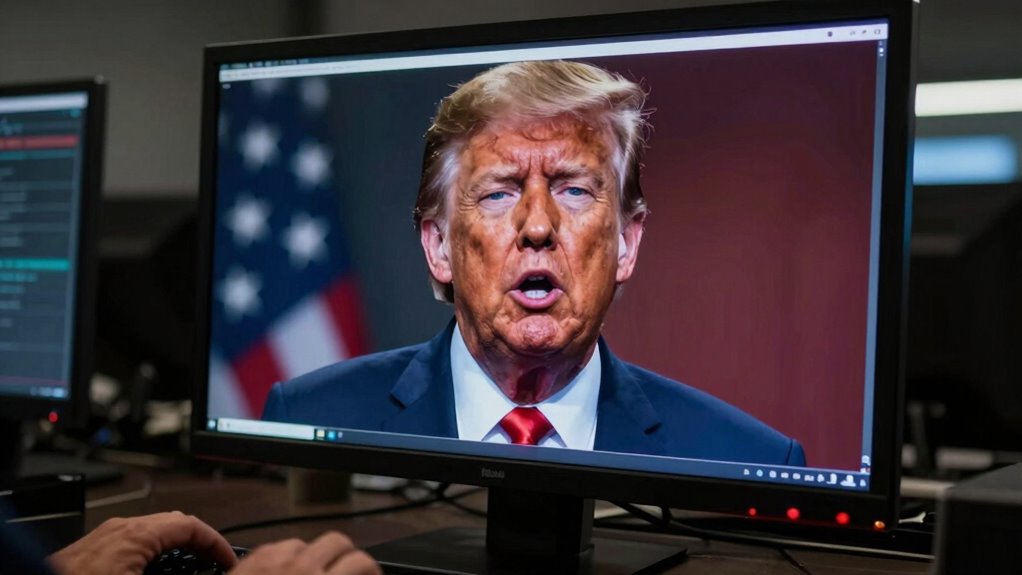
Deepfakes amplify the risk of information manipulation, where false content is crafted to influence opinions, sway voters, or discredit candidates. When you encounter a convincingly fake video of a political leader making controversial statements, it’s easy to believe it’s real—especially if it aligns with your biases or fears. That’s the power of digital deception. To address this, security messaging now prioritizes transparency and education, helping you recognize signs of deepfake content. Officials increasingly provide guidelines on verifying videos, encouraging skepticism and critical thinking before accepting anything at face value. This approach aims to empower you to discern authentic information from manipulated media, ultimately protecting the electoral process from malicious actors.
Deepfakes can mislead voters; stay skeptical, verify content, and protect democracy from digital deception.
The adaptation of security messaging also involves deploying technological solutions, such as detection tools and authentication methods, integrated into social media platforms and news outlets. These tools help flag potential deepfakes, alerting you to content that might have been artificially generated. The messaging emphasizes that staying informed isn’t just about trusting sources but also about understanding the evolving landscape of digital deception. Campaigns now focus on fostering media literacy, guiding you to cross-check claims, consult multiple sources, and remain cautious of sensational content that could be a deepfake designed to influence your voting decisions. Recognizing the importance of high-quality projector technology can also help create a distraction-free environment for detecting subtle inconsistencies in visual content. Additionally, promoting media literacy is essential for helping you develop critical skills to evaluate digital content effectively. As technology advances, understanding digital deception becomes crucial for maintaining trust in information sources.
A better understanding of the technology behind deepfakes is vital for staying ahead of increasingly sophisticated manipulations. Moreover, ongoing research and development in detection algorithms are improving the accuracy of identifying manipulated media, which is essential in today’s digital landscape. Ultimately, the evolution of security messaging around deepfakes underscores a broader shift towards resilience and awareness. You’re encouraged to question what you see and hear, and to be vigilant about the sources of your information. As these warnings have reshaped the way authorities communicate risks, they also serve as a reminder that protecting democracy depends on your ability to navigate a complex digital environment. By understanding the tactics behind deepfake technology and the importance of verifying content, you play a vital role in safeguarding the integrity of your vote and the democratic process as a whole.
Handbook of Digital Face Manipulation and Detection: From DeepFakes to Morphing Attacks (Advances in Computer Vision and Pattern Recognition)

As an affiliate, we earn on qualifying purchases.
As an affiliate, we earn on qualifying purchases.
Frequently Asked Questions
How Do Deepfakes Specifically Influence Voter Trust?
Deepfakes make you more skeptical of what you see and hear, leading to increased voter skepticism. They can distort reality, making it harder for you to trust genuine information and officials. This manipulation challenges your misinformation resilience, forcing you to verify sources more carefully. As a result, deepfakes weaken overall voter trust, pushing you to question electoral processes and media, which can impact election outcomes and democratic confidence.
What Legal Measures Exist Against Deepfake Misinformation?
Legal measures against deepfake misinformation include laws targeting digital deception, such as the Honest Ads Act and anti-fraud statutes. You’ll find policies focusing on content verification and penalties for malicious creators. Enforcement varies globally, but increasing efforts aim to hold offenders accountable. You should stay informed about these legal frameworks to understand how authorities are working to combat deepfake abuse, ensuring better security and integrity in digital communications.
Are There Technological Tools to Detect Election-Related Deepfakes?
Yes, there are technological tools that help detect election-related deepfakes. You can utilize AI verification systems that analyze synthetic manipulation to identify altered videos or images. These tools examine inconsistencies in facial movements, voice patterns, and pixel-level details. By deploying AI verification, you can better distinguish authentic content from synthetic manipulation, reducing the spread of misinformation and protecting election integrity.
How Do Deepfake Warnings Impact Overall Security Strategies?
Deepfake warnings considerably impact your security strategies by heightening awareness of misinformation proliferation. They prompt you to incorporate misinformation detection tools and protocols, ensuring you can identify and respond to deepfake content swiftly. This proactive approach helps you safeguard information integrity, build trust, and reduce the risk of manipulation. By emphasizing the importance of early warning systems, you strengthen your overall security posture against evolving digital threats and misinformation campaigns.
What Role Do Social Media Platforms Play in Mitigating Deepfake Spread?
Social media platforms wield immense power, acting as the frontline against deepfake chaos. You rely on algorithmic censorship to swiftly flag and delete fake videos, while user education empowers you to spot deception. These tools work together like an unstoppable shield, preventing deepfakes from spreading wildly. By combining technology and awareness, platforms help safeguard your information, making it harder for malicious actors to manipulate reality and protecting democracy from the chaos of false visuals.
Conclusion
You now understand how deepfake election warnings have transformed security messaging. These technologies can manipulate perceptions and undermine trust, making vigilance essential. Did you know that over 80% of Americans are concerned about deepfake misinformation impacting elections? That statistic highlights just how urgent it is to stay informed and cautious. By recognizing these threats, you can better safeguard the integrity of democratic processes and guarantee your voice remains genuine and secure.