
Denmark's hospitals are in chaos following a major IT crash, leaving patient care in jeopardy. This disruption raises serious concerns about espionage, especially with state-backed hackers targeting the sector. Sensitive health information could be exposed, increasing the urgency for improved cybersecurity measures. Hospitals need to adapt quickly to this evolving threat landscape. As Denmark's healthcare system grapples with these challenges, there's much more to uncover about the implications and responses to this crisis.

Get privacy and security gear delivered free with Prime
- Fast, free delivery on millions of items
- Prime Video, Amazon Music and more included
- Member-only deals all year
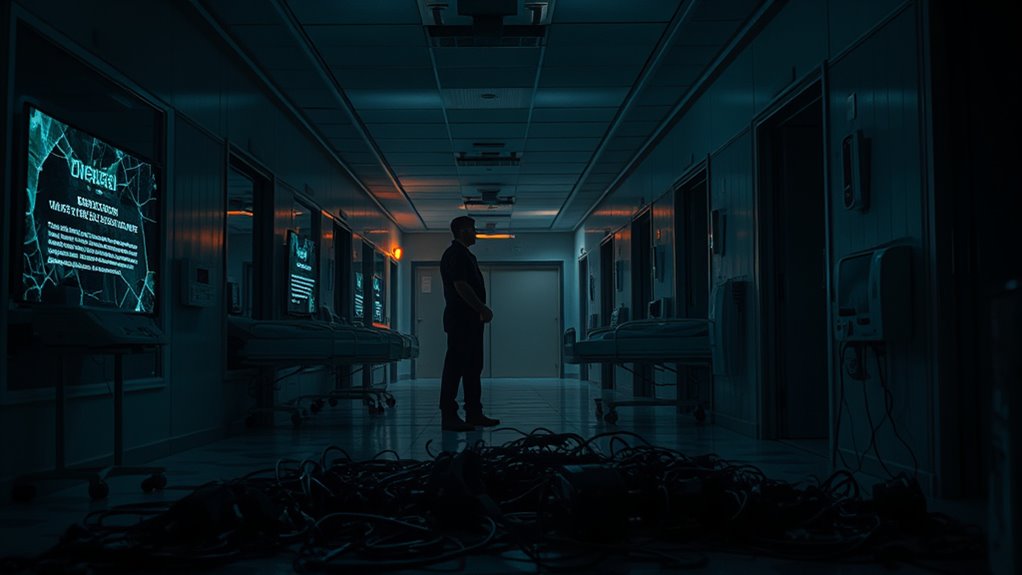
As Denmark's hospitals increasingly rely on digital systems, a series of alarming IT breakdowns has thrown patient care into chaos. You might've heard about the significant disruptions affecting hospital operations, causing delays in treatment and logistical nightmares. The Danish Agency for Civil Protection has now raised the cyber espionage threat level from medium to high, warning of risks from state-backed hackers targeting these critical systems.
As Denmark's hospitals face alarming IT breakdowns, patient care is in jeopardy amid rising threats from state-backed hackers.
Hacker groups have recently targeted Danish hospital websites, raising serious concerns about cybersecurity. Given the sensitive nature of health data, the exposure of personal information, like CPR numbers, has only amplified worries about data security. It's clear that the threat landscape is evolving, and hospitals need to adapt quickly to these new realities. The recent incident involving a software error at the Danish tax portal exposed CPR numbers of 1.26 million citizens, highlighting the vulnerabilities in handling sensitive data.]
Regular threat assessments are crucial in identifying vulnerabilities within Denmark's IT systems, especially in healthcare. You might wonder how hospitals are responding. There's an urgent call for increased investment in cybersecurity to safeguard against sophisticated attacks. Moreover, international cooperation could play a vital role in enhancing Denmark's defenses against these threats. Public awareness is another key area; educating citizens about cybersecurity risks can help prevent attacks and improve response times when incidents occur.
Interestingly, while AI is being explored for improving emergency medical services like stroke detection, its integration into hospital IT infrastructure remains complex. AI shows promise in detecting conditions such as cardiac arrest, potentially speeding up treatment and improving outcomes. However, privacy concerns loom large, especially when it comes to sensitive patient data.
In 2023, a Russian hacking group targeted Denmark's banking sector, highlighting the broader implications of state-backed cyberattacks. The same groups are now shifting their focus to healthcare, often motivated by political or ideological reasons. This shift underscores the critical need for hospitals to develop effective response strategies to minimize disruptions from potential cyberattacks.
As you consider the future of healthcare in Denmark, it's clear that the integration of AI and the enhancement of cybersecurity measures must go hand in hand. The healthcare system faces a pivotal moment—embracing new technologies while simultaneously addressing security concerns. Strengthening legal frameworks to tackle these cyber threats is essential for protecting not just healthcare, but also the critical infrastructure that supports the entire nation.
The stakes have never been higher, and the time to act is now.
Conclusion
As you reflect on Denmark's AI hospital crisis, it's clear that technology can be a double-edged sword, like a sharp knife that can either prepare a meal or cause harm. The fears of espionage and the potential for data breaches remind us that while innovation can improve healthcare, it also demands our vigilance. Moving forward, it's vital to strike a balance between embracing AI's benefits and safeguarding patient trust. Only then can we truly harness its power without fear.
Products Worth Considering

Jackery Explorer 2000 v2 Portable Power Station with Two 200W Solar Panels

LG UltraGear evo 27-inch 5K Mini-LED Gaming Monitor

Apple MacBook Air 13-inch with M5 Chip, 16GB Memory, 512GB SSD, Silver
As an affiliate, we earn on qualifying purchases.