
TL;DR
Get ready for Prime Big Deal Days — try Prime free
Exclusive member deals on October 6–7, plus fast free delivery. Cancel anytime.
As an affiliate, we earn on qualifying purchases.
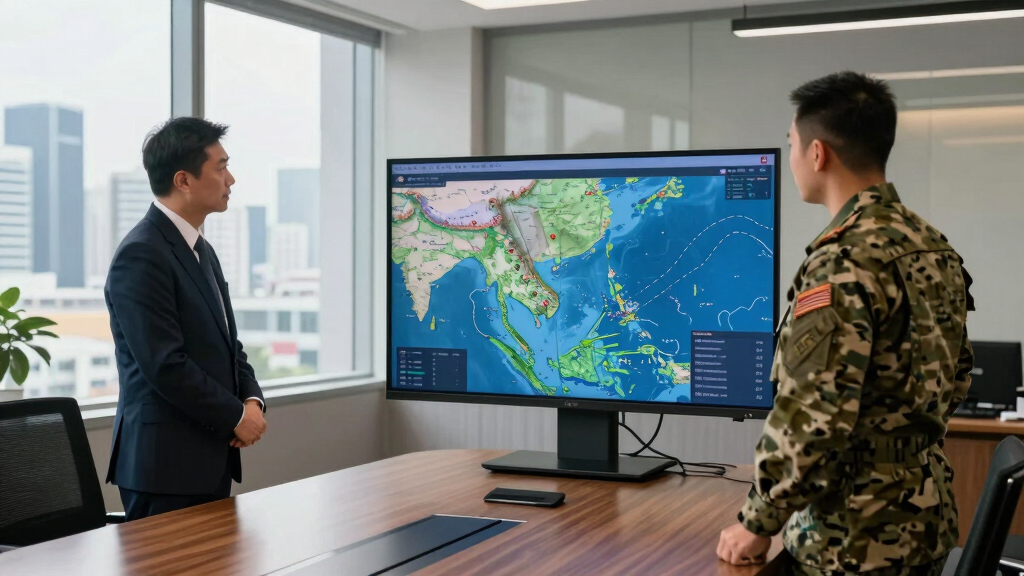
Japan announced it will start sharing maritime monitoring information with Southeast Asian countries to improve regional sea lane security. This initiative aims to bolster maritime domain awareness and counter maritime risks.
Japan will begin sharing maritime vessel monitoring information with Southeast Asian nations as part of an effort to strengthen regional sea lane defense and maritime security cooperation.
The Japanese government announced on May 17, 2026, that it will start sharing data related to maritime vessel monitoring with Southeast Asian countries. This initiative aims to promote maritime domain awareness (MDA), which involves tracking vessel movements to prevent illegal activities and ensure safe navigation.
Japan plans to provide information through existing maritime monitoring services operated by Japanese companies, encouraging regional adoption of enhanced maritime security practices. The move follows Japan’s broader strategy to strengthen regional security cooperation amid increasing geopolitical tensions in the Indo-Pacific.
Why It Matters
This development is significant because it represents Japan’s proactive approach to regional security, aiming to improve the ability of Southeast Asian nations to monitor sea lanes critical for international trade and strategic interests. Enhanced maritime awareness can help deter illegal activities such as piracy, smuggling, and unauthorized territorial claims, thereby stabilizing regional security and economic stability.
Given the importance of sea lanes for global commerce, especially in the context of rising maritime disputes and strategic competition, Japan’s info-sharing initiative could serve as a model for multilateral security efforts in the Indo-Pacific region.
maritime vessel monitoring system
As an affiliate, we earn on qualifying purchases.
As an affiliate, we earn on qualifying purchases.
Background
Japan has historically provided maritime patrol vessels and cooperation with Southeast Asian countries to bolster regional maritime security. The move to share vessel monitoring data aligns with Japan’s broader efforts to enhance maritime domain awareness, which has gained urgency amid rising tensions in the South China Sea and the Taiwan Strait. This initiative follows Japan’s recent defense strategies emphasizing regional partnership and information sharing to address evolving maritime threats.
It is part of Japan’s ongoing efforts to counterbalance regional challenges and promote stability through increased cooperation with Southeast Asian nations, which are key partners in regional security architectures.
“This information-sharing initiative is designed to enhance regional maritime security and promote cooperation among Southeast Asian nations.”
— Japanese government official
“Japan’s move to share vessel monitoring data could significantly improve maritime domain awareness and help prevent illegal activities in critical sea lanes.”
— Regional security analyst
What Remains Unclear
It is not yet clear how the data sharing will be implemented operationally, what specific information will be shared, or how Southeast Asian countries will integrate this data into their existing maritime security frameworks. Details on the timeline and scope of the program remain to be clarified.
What’s Next
Japan will likely formalize agreements with Southeast Asian nations and begin pilot programs in the coming months. Monitoring of the program’s effectiveness and regional response will be key developments to watch.
Key Questions
Which Southeast Asian countries will participate in the info-sharing program?
It has not been specified which countries will be involved initially, but the initiative aims to include key maritime nations in Southeast Asia.
What types of vessel monitoring data will Japan share?
Details on specific data types have not been disclosed, but likely include vessel identification, location, and movement data from Japanese maritime monitoring services.
How will this initiative improve regional security?
By increasing maritime domain awareness, countries can better detect and respond to illegal activities, territorial disputes, and security threats in critical sea lanes.
When will the program be fully operational?
The timeline for full implementation has not been announced; initial steps are expected in the coming months following formal agreements.
Evergreen bestsellers Picks
bestsellers
As an affiliate, we earn on qualifying purchases.