
TL;DR

Get privacy and security gear delivered free — and shop member deals
- Fast, free delivery on millions of items
- Access to Prime Big Deal Days deals on October 6–7
- Prime Video, Amazon Music and more included
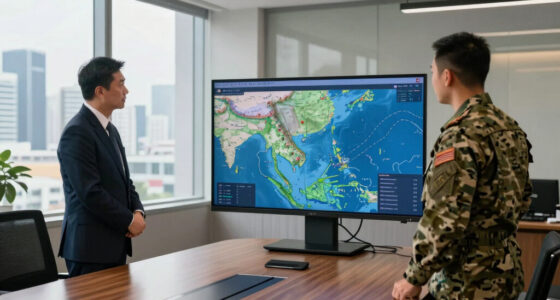
The US and China are both investing significantly in orbital data centers, aiming to leverage space for data storage and processing. This marks a notable shift in global tech strategies, with potential impacts on AI, cybersecurity, and international competition.
The United States and China are both making substantial investments in orbital data centers, aiming to establish space-based infrastructure for data storage and processing. This development highlights a strategic move by both nations to leverage space technology for technological and geopolitical advantage, marking a significant evolution in the global data infrastructure landscape.
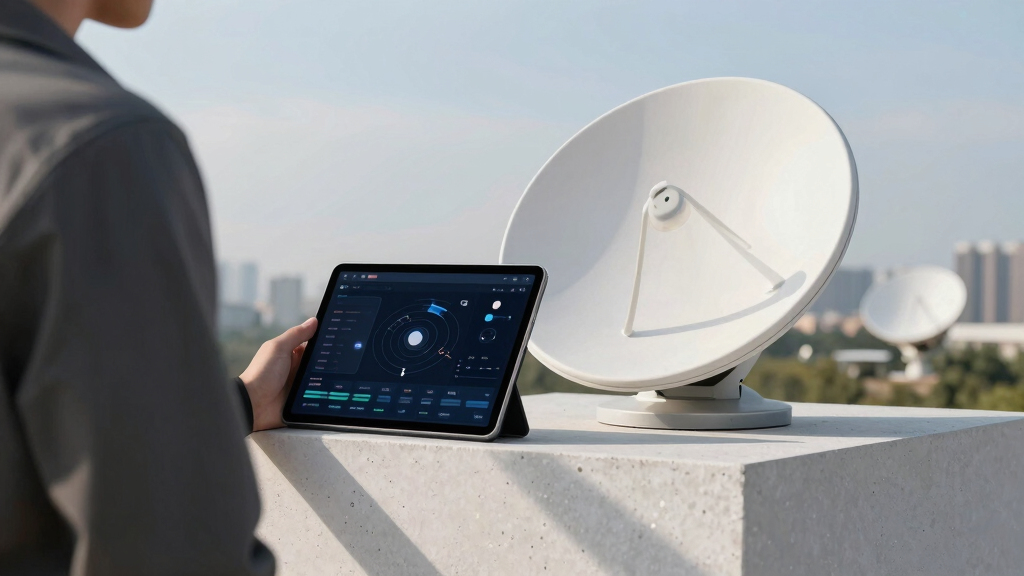
According to reports from Nikkei Asia, both countries view orbital data centers as a critical component of their future technological infrastructure. The US government and private sector companies, including tech giants and startups, are investing in satellite-based data storage solutions, with plans for deploying large-scale data centers in low Earth orbit (LEO). China is also pursuing similar initiatives, with state-backed firms announcing projects to establish orbital data facilities.
While specific project details remain classified or in early development stages, experts suggest that these initiatives aim to reduce latency, improve data security, and support the growth of AI applications that require massive data processing power. The US is reportedly leveraging its existing space infrastructure and commercial partnerships, while China is emphasizing rapid deployment and technological self-reliance, according to sources familiar with the matter.
Why It Matters
This development could influence the future of data transmission and storage by potentially enabling new capabilities beyond terrestrial limits. It also reflects a strategic interest in space utilization for technological and security purposes. For AI development, orbital data centers may offer advantages in processing speed and resilience. Geopolitically, this development is part of broader space activity trends and may influence international space policy and cooperation.
satellite data storage devices
As an affiliate, we earn on qualifying purchases.
As an affiliate, we earn on qualifying purchases.
Background
Historically, space technology has focused on communication, navigation, and military applications. Recently, private companies like SpaceX and Blue Origin have expanded commercial space activities, including satellite constellations. The concept of orbital data centers builds on this trend, integrating data infrastructure into space assets. Both the US and China have announced ambitious space programs, with China’s space agency and US private firms increasingly investing in space-based technologies. This shift aligns with broader trends toward satellite-based internet and AI-driven data services.
“Investing in orbital data centers is part of ongoing efforts by the US and China to develop space-based infrastructure for data management.”
— Dr. Emily Carter, space technology analyst
“China’s orbital data center projects are aligned with our goals to achieve technological independence and support AI research.”
— Chinese space agency spokesperson
What Remains Unclear
Details about specific project timelines, technical specifications, and operational capacities remain unclear. It is also uncertain how international regulations and space treaties will influence these initiatives, and whether cooperation or conflict will emerge among spacefaring nations.
What’s Next
Next steps include the announcement of specific project plans, deployment timelines, and potential international collaboration or regulation discussions. Observers will monitor space agency statements and private sector investments for further developments.
Key Questions
Why are the US and China investing in orbital data centers?
Both countries see space-based data centers as a way to enhance data security, reduce latency, and support advanced AI applications, while also gaining strategic advantages in space and technology leadership.
What are the technical challenges of building data centers in space?
Challenges include ensuring reliable power supply, cooling, maintenance, and protection from space debris and radiation. Developing cost-effective launch and deployment methods is also a key concern.
Could orbital data centers impact global cybersecurity?
Yes, they could improve security by reducing terrestrial vulnerabilities, but they also introduce new risks related to space security and potential geopolitical conflicts.
How soon might these orbital data centers become operational?
Specific timelines are not yet confirmed, but initial projects could be deployed within the next 3-5 years, depending on technological progress and regulatory developments.
Halloween Picks
halloween
As an affiliate, we earn on qualifying purchases.