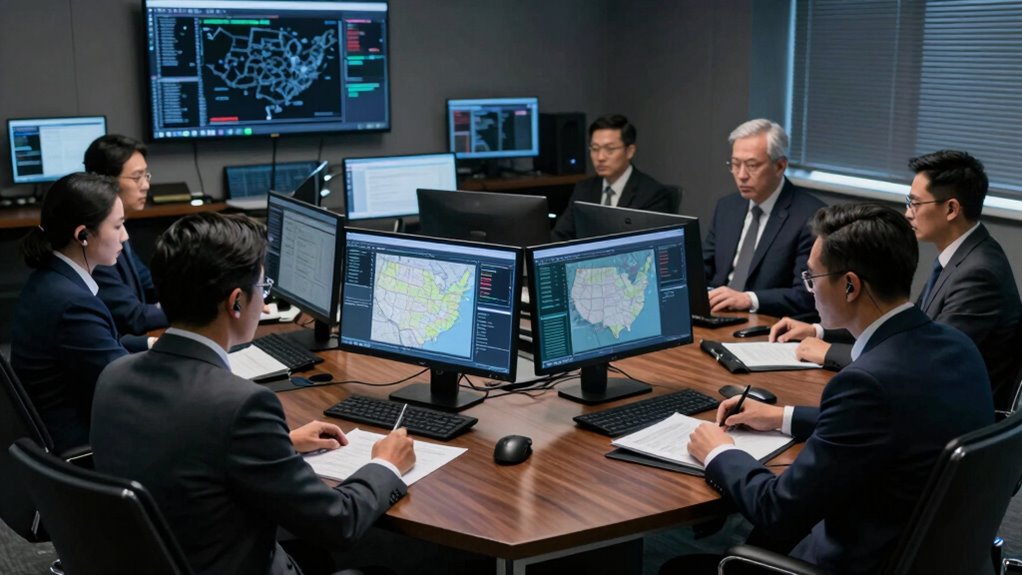

Private contractors support the U.S. intelligence ecosystem by helping gather information, conduct covert operations, and provide technical and logistical support. They often work alongside or replace government agencies, offering expertise and flexibility. However, their involvement raises questions about accountability, transparency, and legal boundaries. Oversight can be challenging due to secrecy and complex contracts. If you’re curious about how this private sector influence shapes national security, you’ll find more details as you continue exploring.
Key Takeaways
- Private contractors supplement government agencies by providing specialized expertise, technological support, and logistical management within the intelligence ecosystem.
- They conduct covert operations and gather intelligence, often operating with limited oversight and within complex legal frameworks.
- Accountability challenges arise due to confidentiality agreements, legal variations, and the blurred boundaries between public and private sectors.
- Ethical concerns emerge from profit motives, secrecy, and potential conflicts of interest, impacting transparency and public trust.
- Their involvement complicates oversight, raising risks of abuses, security breaches, and difficulties in enforcing accountability standards.
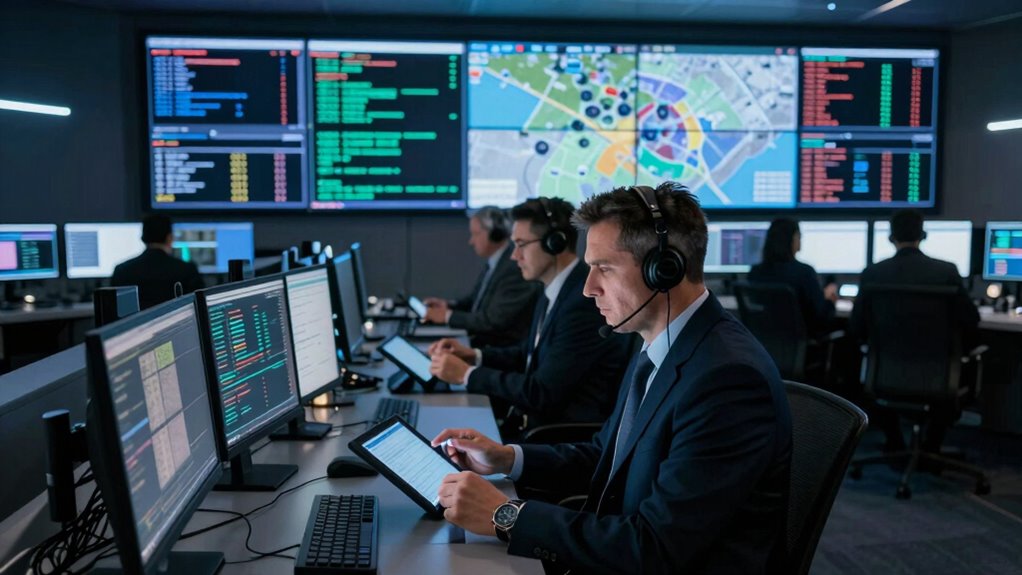
Private contractors have become a significant part of the U.S. intelligence landscape, often operating alongside or even in place of government agencies. Their roles extend from gathering intelligence to conducting covert operations, providing technological support, and managing logistics. While their expertise and flexibility offer valuable advantages, their involvement also raises critical questions about accountability. You might wonder whether they adhere to the same standards as government personnel or if profit motives could influence decisions that have national security implications. These concerns aren’t just theoretical; they impact public trust and the integrity of intelligence operations.
Moreover, oversight challenges are a persistent issue. Unlike government agencies, private contractors operate within a complex web of contracts, legal frameworks, and confidentiality agreements, making it difficult to monitor their activities thoroughly. You may find it hard to determine whether contractors are following protocols or if they’re overstepping boundaries, especially in clandestine operations. Oversight bodies struggle to keep pace with the rapid expansion of private sector involvement, often lacking clear authority or sufficient resources to scrutinize contractor conduct effectively. This gap in oversight can lead to abuses or unintended consequences, increasing risks to national security and the safety of personnel. Additionally, the use of hot tubs or outdoor amenities in private spaces can sometimes serve as covert meeting spots, complicating oversight further. An additional layer of complexity arises from the legal frameworks that govern contractor activities, which often vary and complicate efforts to standardize oversight. Efforts to improve transparency are ongoing, but progress remains slow due to these legal and operational complexities.
The blurred lines between public and private sectors complicate accountability further. When contractors are involved in controversial activities, assigning responsibility becomes murky. If something goes wrong, questions arise about whether the blame lies with the contractor, the overseeing government agency, or the policymakers who authorized the mission. This ambiguity can hinder investigations, delay justice, and undermine public confidence. Additionally, the use of private contractors can create conflicts of interest. Contractors might prioritize fulfilling their contractual obligations over ethical considerations or national interests, especially when financial incentives are involved. Furthermore, the lack of transparency in contractor operations can hinder effective accountability and oversight, making it difficult to enforce standards and hold parties responsible.
You also need to examine the transparency issues. Government agencies are bound by regulations that require some level of public disclosure, but contractors often operate under secrecy agreements that shield their activities from scrutiny. This lack of transparency fuels suspicion and makes it harder to hold all parties accountable. As private contractors become more ingrained in the intelligence ecosystem, these ethical dilemmas and oversight challenges will only grow more pressing. Balancing the need for efficiency and specialized skills with the imperative for accountability remains a critical issue in ensuring that private contractors serve the national interest without compromising ethical standards or oversight.
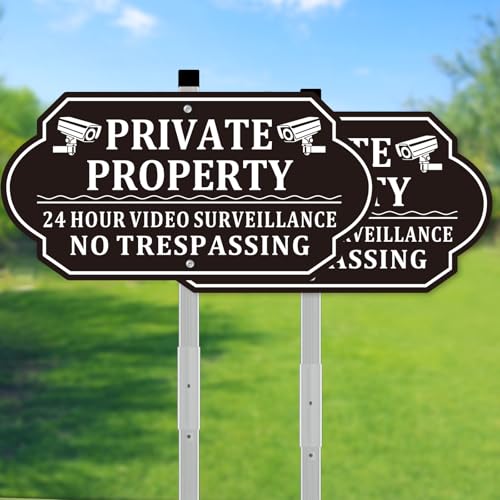
No Trespassing Signs Private Property, Video Surveillance Sign, No Trespassing Video Surveillance Signs, Aluminum Camera Signage for Property with Long Stake Easy to Install for Outdoor (2 Pack)
- Value Pack of 2 Signs: Affordable set for comprehensive security
- High-Quality Metal Stakes: Windproof, waterproof, UV-resistant stakes
- Durable Aluminum Material: Resists fading, rust, and aging
As an affiliate, we earn on qualifying purchases.
As an affiliate, we earn on qualifying purchases.
Frequently Asked Questions
How Are Private Contractors Held Accountable for Classified Operations?
You’re responsible for understanding how private contractors are held accountable for classified operations. They’re subject to oversight mechanisms such as audits, reviews, and strict contractual clauses that enforce contractor transparency. Agencies monitor their activities closely, and legal frameworks impose penalties for breaches. Despite these measures, concerns about accountability persist, emphasizing the need for ongoing oversight to guarantee contractors adhere to national security standards and protect sensitive information.
What Is the Budget Allocation for Private Contractors Within Intelligence Agencies?
You might wonder about budget allocation for private contractors in intelligence. While exact figures are often classified, reports suggest agencies spend billions annually. For example, the CIA’s contractor budget exceeds $1 billion. However, public and budget transparency are limited, making it hard to track precise spending. This lack of transparency raises concerns about accountability and how taxpayer money funds private sector roles in national security.
How Do Private Contractors Influence U.S. Foreign Policy Decisions?
Private influence considerably shapes U.S. foreign policy decisions by providing specialized expertise, intelligence, and strategic advice to policymakers. You might not always see it, but private contractors often sway policy shaping through their insights, lobbying efforts, and close ties with government officials. This influence can steer decisions toward certain geopolitical interests, making private contractors powerful players in shaping the direction and priorities of U.S. foreign engagement.
What Training Do Private Contractors Receive for Intelligence Roles?
You receive training through strict recruitment protocols and established training standards tailored to intelligence roles. These programs often include advanced security clearances, technical skills, and operational tactics. You might undergo simulations, cybersecurity courses, and language instruction, ensuring you’re prepared for complex tasks. The focus is on maintaining confidentiality, strategic thinking, and operational efficiency, aligning your skills with national security requirements to effectively support intelligence missions.
Are Private Contractors Involved in Covert Operations?
Yes, private contractors are involved in covert missions, acting as the shadowy puppeteers behind the scenes. They often work in private security roles, executing clandestine operations that official agencies might not openly undertake. These missions are like secret whispers in the dark, fueling questions about accountability and transparency. Their involvement blurs the lines between public and private, making the sphere of covert operations even more complex and layered.

Espionage and Covert Operations: A Global History
As an affiliate, we earn on qualifying purchases.
As an affiliate, we earn on qualifying purchases.
Conclusion
As you peer into the shadowy corridors of U.S. intelligence, private contractors emerge as both the silent architects and unpredictable currents shaping the landscape. They’re the double-edged swords wielded in the fog of secrecy, cutting through the darkness with their expertise yet blurring the lines of accountability. Their presence is a delicate dance on the edge of transparency, reminding you that in this clandestine domain, the true power often resides in the unseen hands pulling the strings behind the scenes.

AI for Beginners: How to Use AI – A Beginner’s Guide to Artificial Intelligence for Seniors and First-Time Users
As an affiliate, we earn on qualifying purchases.
As an affiliate, we earn on qualifying purchases.

INFIYA 2K No Drill Window Camera-2 Pack 2.4Ghz & 5Ghz WiFi Dome Cameras for Home Security for Indoor & Outdoor Monitoring, Color Night Vision, Human Detection, 24/7 Recording, Ideal for Apartment, K1
- High-Resolution Glass-Clearing Image: 2K resolution with wide-angle coverage
- Color Night Vision: Vivid color footage in low light
- Easy, Drill-Free Installation: Peel and stick setup for quick mounting
As an affiliate, we earn on qualifying purchases.
As an affiliate, we earn on qualifying purchases.