
TL;DR
An 11-year-old Bitcoin wallet containing approximately $400,000 was recovered with the help of Claude AI. The user had forgotten the password after changing it while ‘stoned,’ but AI-assisted analysis uncovered an old backup and fixed a bug, enabling access to the funds.
Claude AI has helped a Bitcoin holder recover a wallet that had been inaccessible for over 11 years, enabling access to approximately $400,000 worth of BTC. The user, who had forgotten the password after changing it while under the influence, was able to regain control of their funds thanks to AI-driven analysis and bug fixing.
The user, identified on social media as cprkrn, had been attempting to recover their Bitcoin wallet for more than a decade. The wallet contained roughly 5 BTC, which was worth nearly $400,000 at current prices. The difficulty stemmed from a forgotten password, which was changed during a period of intoxication, and a bug in the password configuration that prevented recovery.
Initial attempts to brute-force the wallet using open-source tools like btcrecover failed. The breakthrough came when cprkrn found an old mnemonic seed phrase in a college notebook, which matched the wallet’s HD addresses. However, the wallet remained encrypted. In a last-ditch effort, cprkrn uploaded their entire college computer files to Claude AI, which uncovered an older backup wallet from December 2019. The AI identified and fixed a bug related to the password and shared key combination, allowing btcrecover to decrypt the wallet and transfer the funds.
Why It Matters
This development demonstrates the growing potential of AI tools like Claude to assist in complex crypto recovery tasks, especially for cases involving forgotten passwords and legacy wallet formats. It highlights how AI can help unlock significant financial assets that have been lost for years, impacting individual investors and the broader cryptocurrency ecosystem.
While not a magic solution, this case underscores the importance of AI in addressing technical challenges in digital asset recovery, which could influence future security and recovery practices in the crypto space.
CRYO Crypto Seed Phrase Storage Notebook – Waterproof Bitcoin Recovery Phrase Crypto Password Keeper – 12 to 24 Word Cold Wallet Backup – Mnemonic Passphrase – Pocket Size 2-Pack
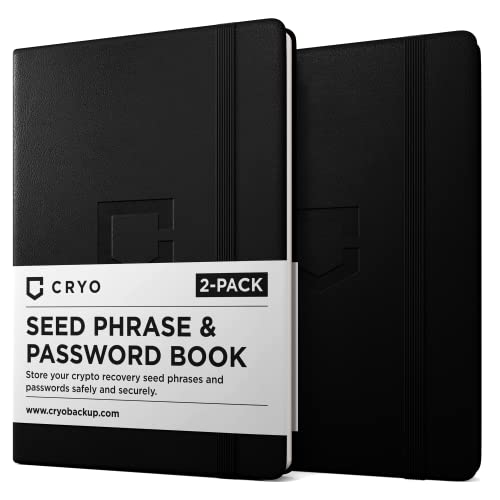
Waterproof, pocket-sized notebook for securely storing crypto seed phrases and passwords, with dual backup copies included.
As an affiliate, we earn on qualifying purchases.
As an affiliate, we earn on qualifying purchases.
Background
Bitcoin wallets from the early years often combined mnemonic seed phrases with imported keys stored in encrypted wallet files requiring passwords. Forgotten passwords have historically made access impossible, sometimes leading to millions of dollars in lost assets. Prior to AI advances, cracking such wallets could take months or even years, especially when passwords were complex or when legacy formats were involved.
This case follows a trend of AI tools being increasingly used in cybersecurity and crypto asset recovery, with Claude AI emerging as a notable example. The recovery of this wallet, containing 5 BTC, is a rare success story in a landscape where many assets remain permanently inaccessible.
“I thought I’d lost that Bitcoin forever. Thanks to Claude, I finally got access after all these years.”
— cprkrn
“This case illustrates how AI can assist in unlocking legacy wallets and recovering assets that were previously considered lost.”
— cryptocurrency analyst
What Remains Unclear
While Claude AI successfully recovered this specific wallet, it is not yet clear how broadly applicable this method is for other legacy wallets or more complex cases. Details about the exact technical process and whether similar recoveries are possible at scale remain under development.
What’s Next
Further testing is expected to determine how AI can assist in recovering other inaccessible wallets. Developers and users may explore AI-assisted tools for legacy wallet recovery, potentially leading to new standards and practices in digital asset security and retrieval.
Key Questions
How did Claude AI help recover the wallet?
Claude AI analyzed the user’s files, uncovered an old backup wallet, identified a bug in the password configuration, and enabled the use of recovery tools to decrypt the wallet and access the funds.
What was the main challenge in recovering the wallet?
The user had forgotten the password, which was changed during intoxication, and the wallet was encrypted with a bug preventing standard recovery methods from working.
Can this method be used for other lost wallets?
It is not yet clear how generalizable this AI-assisted approach is, but this case suggests potential for broader application in legacy wallet recovery.
How much money was recovered?
The recovered wallet contained approximately 5 BTC, worth around $400,000 at current market prices.