
TL;DR

Get privacy and security gear delivered free with Prime
- Fast, free delivery on millions of items
- Prime Video, Amazon Music and more included
- Member-only deals all year
The Secret Service has stopped using government-issued phones due to security vulnerabilities. This change highlights growing concerns over mobile device security within high-profile agencies.
The U.S. Secret Service has officially stopped using government-issued mobile phones, citing security vulnerabilities that could compromise sensitive communications. This decision marks a rare acknowledgment of security flaws at the highest levels of federal agencies, emphasizing the growing importance of secure communication methods for national security.
Sources familiar with the matter confirmed that the Secret Service has transitioned away from using company-issued phones for official communication. The agency reportedly made this change in recent months after internal assessments identified significant security risks associated with their previous devices. The move aligns with broader efforts across federal agencies to enhance cybersecurity and protect sensitive information from potential interception or hacking. The Secret Service’s decision is notable given the agency’s role in protecting national leaders and handling classified information, making secure communication paramount.Officials declined to specify the exact security flaws or the alternative devices now in use. However, reports indicate that the agency has adopted encrypted communication tools and personal devices with enhanced security features, although details remain confidential. The shift reflects a wider trend of government agencies reevaluating mobile device policies amid increasing cyber threats.
Implications for National Security Communications
This development underscores the escalating cybersecurity challenges faced by federal agencies, especially those handling sensitive and classified information. The Secret Service’s move away from company-issued phones highlights a recognition that traditional mobile devices may be vulnerable to hacking, interception, or data breaches. It also signals a potential shift in how government agencies approach secure communication, possibly leading to broader reforms across federal departments. For the public and officials alike, this emphasizes the importance of robust cybersecurity measures in safeguarding national security infrastructure.
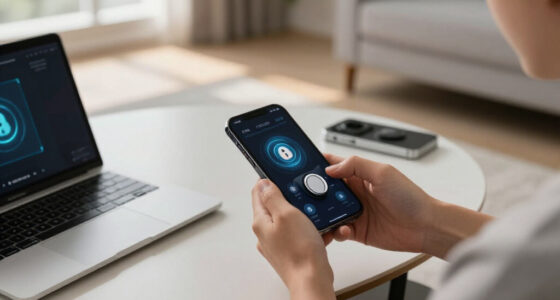
encrypted mobile communication device
As an affiliate, we earn on qualifying purchases.
As an affiliate, we earn on qualifying purchases.
Security Concerns Drive Change in Government Mobile Use
Over recent years, cybersecurity threats targeting government communications have increased, with incidents involving hacking, surveillance, and data leaks making headlines. The Secret Service’s decision follows similar moves by other agencies, which have adopted encrypted messaging platforms or restricted mobile device use for sensitive operations. Historically, government agencies relied on government-issued devices for security and control, but evolving threats have prompted a reassessment of these policies. The Secret Service’s change marks a significant step, given its critical role in protecting national leaders and handling sensitive information.
“The agency recognized that current devices posed unacceptable security risks and chose to adopt more secure communication methods.”
— Anonymous official familiar with the decision
Details of the New Communication Methods Remain Confidential
It is not yet clear what specific devices or platforms the Secret Service now uses for secure communication. The agency has not publicly disclosed whether personnel now rely on personal smartphones, specialized encrypted devices, or other technologies. Additionally, the full scope of security vulnerabilities in previous devices has not been publicly detailed, leaving some questions about the exact nature of the risks.
Monitoring Policy Changes and Security Upgrades
The Secret Service and other federal agencies are expected to continue evaluating and updating their communication security protocols. Future developments may include formal announcements about the new devices or platforms adopted, as well as potential legislative or policy changes aimed at strengthening cybersecurity measures across government entities. Analysts will watch for any impacts on operational security or incidents related to mobile device vulnerabilities.
Key Questions
Why did the Secret Service stop using government-issued phones?
Officials cited security vulnerabilities in the devices that could potentially be exploited by hackers or surveillance efforts, prompting the agency to switch to more secure communication methods.
What devices or platforms is the Secret Service using now?
The agency has not publicly disclosed specific details about the new devices or platforms, but reports suggest they are using encrypted communication tools and possibly personal devices with enhanced security features.
Does this change affect the security of the President and other officials?
The move aims to improve security by reducing vulnerabilities, but the full impact on operational security remains confidential and under assessment.
Is this a trend among other government agencies?
Yes, several federal agencies are increasingly adopting encrypted communication platforms and restricting mobile device use for sensitive operations, reflecting a broader cybersecurity effort.
When did the Secret Service make this change?
The transition was reportedly made in recent months, with official announcements made in March 2024.
Source: google-trends
Fall Picks
fall essentials
As an affiliate, we earn on qualifying purchases.