
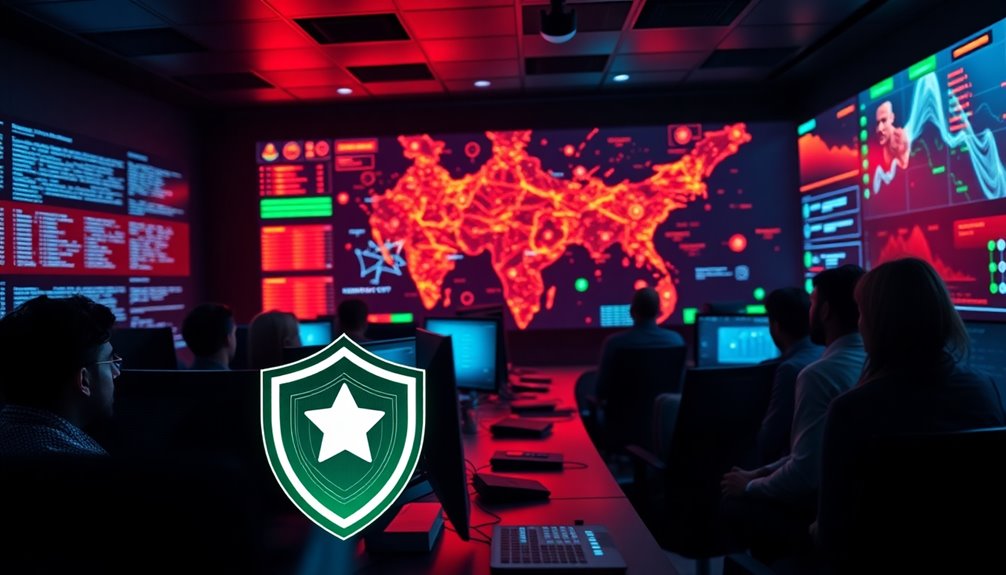
As India grapples with a surge in cyberattacks, the stakes have never been higher. You mightn't realize it, but recent reports indicate that in 2024, India faced more cyber intrusions than the US, Russia, Ukraine, and Germany combined. This alarming trend is fueled by regional tensions with neighboring countries, which only adds fuel to the fire. In this climate, cybercriminals have become increasingly sophisticated, often leveraging AI to enhance their attacks. These advancements make it crucial for you to understand the landscape of cybersecurity in India.

Get privacy and security gear delivered free — and shop member deals
- Fast, free delivery on millions of items
- Access to Prime Big Deal Days deals on October 6–7
- Prime Video, Amazon Music and more included
The types of threats you need to watch out for are diverse. Cybercrime encompasses phishing, data leakage, and dark web activities, while cyber-hactivism involves ideologically motivated attacks from groups like Anon Black Flag. Cyber-espionage targets critical infrastructure, posing risks to sensitive data, and cyber-terrorism threatens national security. Ransomware has also become a common objective, with many attacks utilizing Ransomware-as-a-Service models. In fact, over 39% of hacking incidents in the Asia-Pacific region occurred in India, highlighting the severity of the situation.
One of the most affected areas is the healthcare sector, which has become the top target for cyberattacks in India. You may have heard about the significant data breaches affecting companies like BSNL and BoAt India, which have had dire implications for the telecom and financial sectors.
Even the transportation sector isn't safe, facing disruptions to digital services. All these incidents highlight the urgent need for robust cybersecurity measures.
To mitigate risks, encrypting data has emerged as a best practice for securing sensitive information. However, the challenge lies in keeping pace with the evolving tactics of attackers. AI not only aids in analyzing vulnerabilities but also automates attacks, making them more efficient and harder to detect. As a result, traditional security systems struggle to keep up with these advanced techniques.
The governance of cybersecurity in India involves agencies like NCIIPC and CERT-In, with the National Security Advisor playing a vital role in coordinating efforts. Yet, the lack of public awareness about these threats presents a significant hurdle. You may not be fully aware of how rapidly digitization is increasing vulnerabilities across sectors.
Ultimately, addressing these challenges requires not just national policies but international cooperation as well. The future of cybersecurity in India depends on collective efforts to raise awareness and strengthen defenses against ongoing and emerging threats.
The battle against digital espionage is far from over, and it's crucial that you stay informed and vigilant.
enterprise data encryption software
As an affiliate, we earn on qualifying purchases.
As an affiliate, we earn on qualifying purchases.
Fall Picks
fall essentials
As an affiliate, we earn on qualifying purchases.