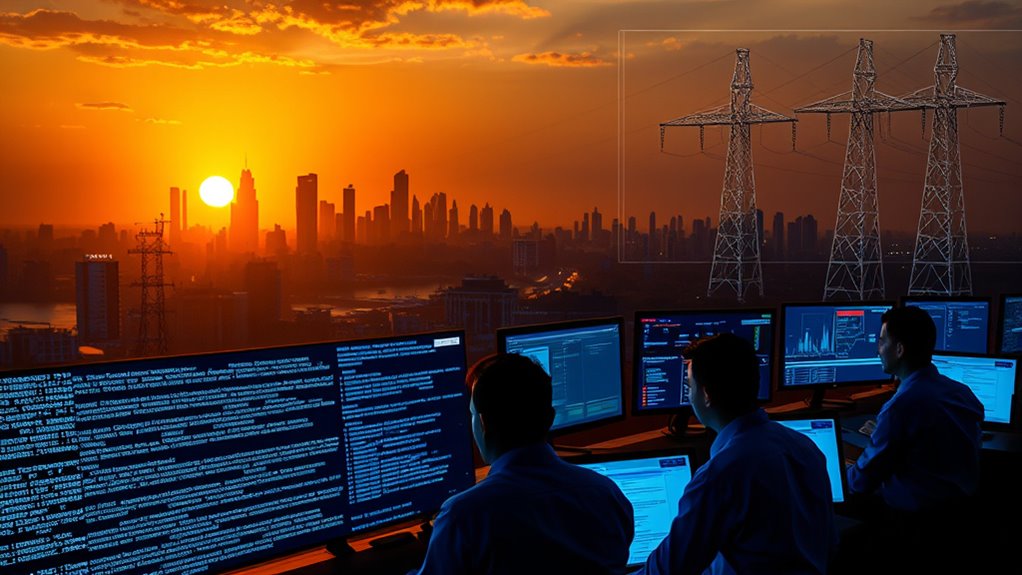

In a remarkable display of cyber resilience, RAW successfully thwarted an ISI cyberattack targeting India's power grid. By leveraging AI technology, they detected and neutralized the threat swiftly, showcasing the power of innovation in cybersecurity. This incident highlights ongoing challenges from adversaries like Pakistan and emphasizes the need for robust defenses against state-sponsored attacks. The implications of this victory echo throughout vital infrastructure. Discover how these developments shape India's cybersecurity landscape and future strategies.

Get privacy and security gear delivered free — and shop member deals
- Fast, free delivery on millions of items
- Access to Prime Big Deal Days deals on October 6–7
- Prime Video, Amazon Music and more included
In a decisive move, India's Research and Analysis Wing (RAW) has thwarted a cyberattack orchestrated by the Inter-Services Intelligence (ISI) of Pakistan, showcasing the nation's growing prowess in cybersecurity. This incident highlights the persistent threats that India's power grid faces, particularly from state-sponsored groups, including those from China like RedEcho and TAG-38.
These groups have been increasingly targeting the State Load Despatch Centres (SLDCs) in North India, especially near the sensitive India-China border in Ladakh, aiming to gather intelligence or position themselves for future operations. Recent investigations revealed that the targeting of Indian Power Grid has become a strategic priority for these malicious actors.
State-sponsored groups are intensifying their focus on North India's SLDCs, particularly near the vulnerable India-China border in Ladakh.
You might be surprised to learn that the malware frequently used in these intrusions is ShadowPad, a sophisticated tool that allows attackers to gain unauthorized access. Often, compromised internet-facing devices, such as DVR/IP cameras, serve as entry points for command and control operations. This demonstrates the critical need for robust cybersecurity measures to protect vital infrastructure.
As you reflect on this, consider the complexity of India's infrastructure and the challenges it brings to maintaining strong cybersecurity. AI is making a significant impact in the field of cybersecurity in India, enhancing threat detection and response capabilities. By analyzing large datasets, AI can identify potential threats more efficiently, allowing for quicker and more effective responses to attacks. Furthermore, the integration of AI in healthcare is predicted to improve diagnostics accuracy by 30%, showcasing the broader implications of AI technology in various sectors.
However, it's crucial to recognize that collaboration with international partners is essential for sharing threat intelligence and best practices. Strengthening regulatory frameworks also plays a vital role in bolstering effective cybersecurity measures.
The integration of smart grid technologies, while beneficial, increases the vulnerability of power grids to cyber threats due to expanded access points. Historical attacks, such as those against Ukraine's power grid, have shown the potential for severe disruptions, raising concerns about the economic consequences of such incidents.
With increased digitalization complicating the cybersecurity landscape, it's clear that simulation exercises are necessary to prepare for potential cyberattack outcomes on power grids. In light of these challenges, the Indian government has ramped up its initiatives to strengthen defenses against cyberattacks on the power grid. Upgrading infrastructure with advanced cybersecurity tools and developing a skilled workforce is critical for effective defense strategies.
Ensuring compliance with international cybersecurity standards is equally vital. As India continues to navigate the complex cybersecurity landscape, its recent successes, like the thwarting of the ISI cyberattack, signal a promising future for the nation's cybersecurity capabilities.
Conclusion
In the epic battle of the digital age, think of India as a vigilant knight, wielding AI like a shining sword against shadowy foes. Just as the knight defends the realm from dragons, RAW's triumph over the ISI cyberattack safeguards our power grid, ensuring the light of progress shines bright. This victory reminds us that with courage and innovation, we can overcome even the darkest threats, illuminating a path toward a safer future for all.
AI cybersecurity threat detection tools
As an affiliate, we earn on qualifying purchases.
As an affiliate, we earn on qualifying purchases.
Fall Picks
fall essentials
As an affiliate, we earn on qualifying purchases.