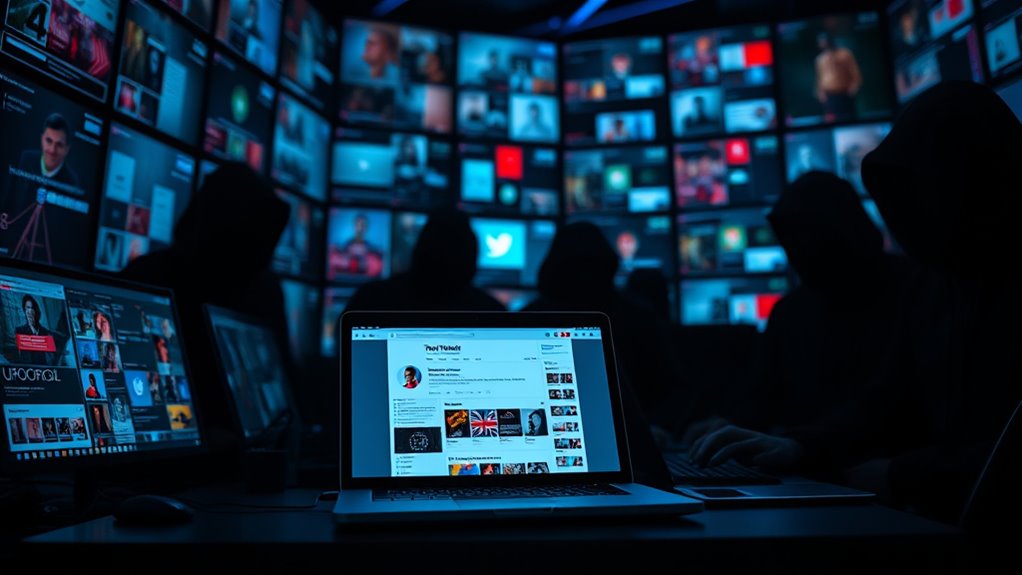

Russia's AI influence is a significant threat to U.S. elections. The GRU uses fake X accounts to spread pro-Kremlin narratives and amplify divisive issues, like immigration. They create convincing synthetic content, including deepfakes, to mislead voters and undermine trust in democratic processes. This sophisticated approach complicates fact-checking and distorts perceptions. As foreign disinformation tactics evolve, it's vital to understand their implications for your informed decision-making. Find out how these strategies unfold further in the current landscape.

Get privacy and security gear delivered free — and shop member deals
- Fast, free delivery on millions of items
- Access to Prime Big Deal Days deals on October 6–7
- Prime Video, Amazon Music and more included

As the digital landscape evolves, Russia's influence through artificial intelligence is becoming increasingly apparent, particularly in the realm of U.S. elections. You mightn't realize just how sophisticated these tactics are, but Russia has harnessed AI technology to generate a wide array of synthetic content aimed at swaying public opinion and manipulating voter perceptions. This isn't just about creating images; they're crafting everything from texts to deepfake videos of prominent political figures, including Kamala Harris, in a bid to bolster Trump's candidacy.
These AI-generated materials are designed with precision, exploiting divisive issues like immigration to further fracture American unity. You can imagine how much easier it's for adversaries to spread misinformation when they can create realistic content that seems credible. The generative AI models used are capable of producing human-like text and visuals that can deceive even the most discerning audiences.
With tools that enhance social media accounts, pro-Kremlin messages find their way into the U.S. discourse, making it difficult for you to discern fact from fiction. Moreover, the targeting strategies employed by Russia are chillingly effective. They know which states and issues resonate most with Americans, allowing them to maximize their influence. Foreign actors are utilizing AI to tailor synthetic content quickly and convincingly, which raises the stakes for how misinformation spreads.
By pushing pro-Trump narratives and undermining Democratic figures, they aim to tilt the electoral balance in their favor. Iran also plays a role, using similar tactics to discredit Trump and amplify discord, particularly around sensitive topics like Gaza. Disinformation tactics go beyond mere text and images; they involve staged videos and manipulated speeches that misrepresent the actions and intentions of political figures.
You may come across fake social media posts or websites that mimic legitimate news outlets, all crafted to sow confusion and mistrust. The deepfake technology is particularly alarming, as it allows for the distribution of altered videos that can dramatically shift public perception.
The implications of these tactics are profound, raising serious concerns about the integrity of democratic processes. Voter manipulation through AI-generated content poses a direct threat to informed decision-making. As you navigate the complexities of modern elections, it's essential to remain vigilant.
The global precedents set by these operations highlight a growing trend where AI is weaponized to undermine democracy, not just in the U.S., but across the world. Understanding Russia's AI influence is key to safeguarding the future of democratic elections.
Conclusion
As you navigate the digital landscape, imagine a puppeteer pulling strings from the shadows, manipulating perceptions with every tweet. Russia's use of AI-generated fake accounts is like a game of chess, where each move is calculated to influence the outcome of U.S. elections. Just as a single pawn can change the course of the game, these deceptive tactics can sway public opinion and disrupt democracy. It's a reminder that in the digital age, appearances can be dangerously misleading.
deepfake detection software
As an affiliate, we earn on qualifying purchases.
As an affiliate, we earn on qualifying purchases.
Fall Picks
fall essentials
As an affiliate, we earn on qualifying purchases.