On the dark web, criminals and spies trade secrets, perform illegal transactions, and sell counterfeit documents like passports and IDs. The environment promotes high anonymity, making it easy to engage in criminal activities such as hacking, scams, and smuggling sensitive info. Trust is scarce, and many face scams or legal risks. If you want to understand how these covert exchanges operate and their dangers, there’s more to uncover below.
Key Takeaways
- The dark web provides a clandestine environment for criminals and spies to exchange stolen secrets and sensitive information anonymously.
- Illicit activities like counterfeit document sales and data theft are prevalent, facilitating espionage and organized crime.
- Encrypted communication channels and cryptocurrencies enable discreet transactions, increasing the difficulty of law enforcement tracking.
- Trust is minimal; buyers and sellers often rely on reputation systems or encrypted messaging to reduce scams.
- The dark web’s anonymity makes it a hub for high-stakes espionage, cybercrime, and secretive trades beyond legal oversight.
The dark web has become a clandestine marketplace where criminals and spies openly exchange stolen secrets and sensitive information. If you venture into this shadowy domain, you’ll quickly discover that it’s a hub for a variety of illicit activities, including cryptocurrency scams and the sale of counterfeit documents. These scams target unsuspecting individuals and organizations alike, often promising quick profits or access to exclusive data. You might come across listings offering fake passports, driver’s licenses, or other forged identification documents, all crafted to deceive authorities or border controls. These counterfeit documents are highly sought after, especially by those wishing to bypass security measures, hide their identity, or evade law enforcement.
The dark web is a hidden hub for exchanging stolen secrets, counterfeit documents, and illicit scams targeting unwary individuals and organizations.
Cryptocurrency scams are rampant on the dark web, capitalizing on the anonymity that digital currencies provide. You could be approached with schemes promising high returns on investments or fake initial coin offerings. Once you send your funds, though, the scammers disappear, and you’re left empty-handed. These scams are often sophisticated, using fake websites and convincing communications to lure victims. As you navigate this environment, you learn that scammers also exploit the dark web to sell stolen financial information, hacking tools, or access credentials that can be used for further fraud.
Counterfeit documents on the dark web aren’t just for individual deception—they’re also used in large-scale criminal operations. For example, counterfeit passports can allow illegal immigrants to slip through borders or enable criminals to open bank accounts under false identities. These documents are often indistinguishable from real ones, making it easy for bad actors to bypass security checks. The sellers behind these counterfeit items tend to operate anonymously, relying on encrypted messaging services and cryptocurrencies to conduct transactions securely. If you’re cautious, you realize that purchasing these documents is risky, both legally and in terms of the quality of what you’re getting.
In this underground marketplace, trust is scarce, and the danger is high. Many who get involved with counterfeit documents or fall for cryptocurrency scams find themselves targeted by law enforcement or left with significant financial losses. The anonymity that makes the dark web attractive to criminals also makes it difficult to track or shut down these illegal operations. Interestingly, the high demand for counterfeit documents and stolen data indicates a thriving underground economy fueled by illegal activities, which can include everything from fraud to more organized crime.
If you’re exploring or trying to understand this hidden world, remember that it’s riddled with deception, fraud, and danger at every turn. The allure of quick money or easy access to sensitive information often comes with severe consequences, and you should always approach with caution—and skepticism.
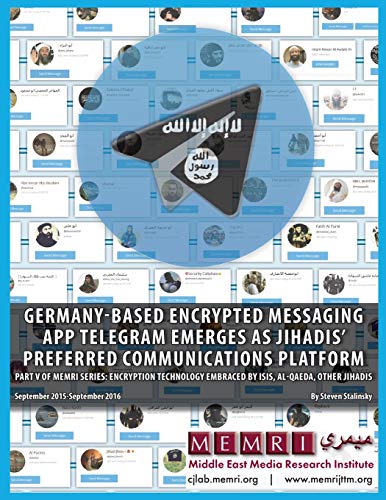
Germany-based Encrypted Messaging App Telegram Emerges as Jihadis' Preferred Communications Platform: Part V of MEMRI Series: Encryption Technology … Jihadis (September 2015 – September 2016)
As an affiliate, we earn on qualifying purchases.
As an affiliate, we earn on qualifying purchases.
Frequently Asked Questions
How Do Law Enforcement Agencies Monitor Dark Web Activities?
Law enforcement agencies monitor dark web activities by using advanced tools that analyze encryption techniques and track suspicious patterns. They often conduct undercover operations, infiltrating hidden forums and marketplaces to gather intelligence. By deploying specialized software and collaborating internationally, you can uncover illicit trades and identify criminals, making it possible to dismantle illegal networks. Your efforts rely on combining technology with on-the-ground tactics to stay one step ahead of dark web criminals.
What Are the Most Common Types of Secrets Traded on the Dark Web?
You’ll find illicit documents, stolen data, hacking tools, and counterfeit currencies traded most often on the dark web. These secrets include sensitive corporate information, personal identities, and government records. Criminals and spies exchange these secrets to profit, manipulate, or undermine. By understanding these common trades, you recognize the dark web’s role as a marketplace for illegal activities, where valuable secrets are bought and sold constantly, fueling cybercrime and espionage.
How Do Users Stay Anonymous While Browsing the Dark Web?
You stay anonymous on the dark web by using a combination of VPNs and the Tor browser. First, you connect to a reliable VPN to hide your IP address and encrypt your internet traffic. Then, you access the dark web through Tor, which anonymizes your browsing by routing your connection through multiple servers. This dual approach makes it difficult for anyone to trace your activity back to you.
Can Regular Internet Users Accidentally Access the Dark Web?
Think of the dark web as a hidden alleyway in a busy city—you could stumble upon it by accident. Yes, regular internet users can accidentally access the dark web, especially if they click on suspicious links or download unfamiliar files. Beware of dark web dangers like scams or malware, which can happen without warning. Always stay vigilant, use secure tools, and avoid venturing into unknown digital alleys to protect yourself.
What Are the Legal Risks of Exploring the Dark Web?
When exploring the dark web, you risk legal compliance violations and privacy concerns. You might accidentally access illegal content or get involved in illicit activities, leading to criminal charges. Additionally, your privacy can be compromised through malware, scams, or data theft. Always be cautious, avoid engaging in illegal actions, and understand the legal risks associated with dark web exploration to protect yourself from serious consequences.

iCoin Wallet & Printer – Cold Storage Digital Crypto Hardware with 3in Color LCD Touchscreen, Secure Messaging and Digital Wallet for NFT, Crypto Currency and Tokens, All-in-one with Secure Printer
- Secure Cold Storage: Holds Bitcoin, Ethereum, NFTs, Tokens
- No Network Connection: Ensures private key security without internet
- 3-inch Color Touchscreen: Easy PIN and seed phrase entry
As an affiliate, we earn on qualifying purchases.
As an affiliate, we earn on qualifying purchases.
Conclusion
So, here you are, thinking the dark web is just a hidden maze for hackers and spies. Ironically, it’s also where they unwittingly reveal their secrets, trading their darkest deeds in plain sight. While you try to stay safe, they’re busy exchanging stolen data and espionage tips. It’s almost poetic—your digital safety hinges on a shadowy marketplace where secrecy is the currency, yet everyone’s secrets are only a click away from exposure.

Aneken AL-17 Counterfeit Bill Detector with UV LED Light, Advanced UV Counterfeit Money Detector with Card & ID Detection, Suitable for All Currencies in The World
- Double Anti-counterfeiting Detection: UV LED and watermark backlight
- Extended Device Lifespan: Sensor-based, energy-saving detection table
- Resistant to Light Interference: Clear indicators under various lighting conditions
As an affiliate, we earn on qualifying purchases.
As an affiliate, we earn on qualifying purchases.

Spy Labs Inc: Forensic Investigation Kit by Thames & Kosmos | Includes Large Lab Setup to Collect & Analyze Evidence & Clues | Explore The Science of Detective Work | for Young Investigators
- Educational Detective Kit: Learn forensic analysis and tracking techniques
- Complete Laboratory Setup: Includes UV flashlight, fingerprint powder, pH test strips
- Interactive Manual: 20-page full-color guide for solving mysteries
As an affiliate, we earn on qualifying purchases.
As an affiliate, we earn on qualifying purchases.