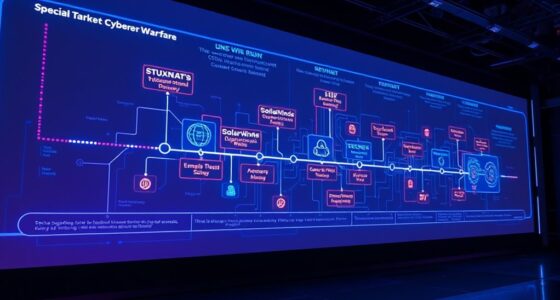

COINTELPRO’s secretive and abusive tactics still influence domestic surveillance debates by highlighting the dangers of unchecked government power and the erosion of civil liberties. Its history of invasive spying, disinformation, and harassment raises concerns about current practices like mass data collection and monitoring activists. These past abuses remind you that government secrecy can hide overreach. If you keep exploring, you’ll see how these issues continue to shape policies and public awareness today.

Get privacy and security gear delivered free with Prime
- Fast, free delivery on millions of items
- Prime Video, Amazon Music and more included
- Member-only deals all year
Key Takeaways
- COINTELPRO’s covert tactics set a precedent for government surveillance and secrecy that persist in modern domestic monitoring practices.
- The program’s history fuels ongoing debates about government overreach and the balance between security and civil liberties.
- Its legacy influences current policies like the Patriot Act, which expand surveillance with limited oversight.
- COINTELPRO’s abuses highlight risks of unchecked government power, informing calls for transparency and accountability today.
- The program’s use of invasive surveillance methods informs contemporary concerns over mass data collection and privacy rights.
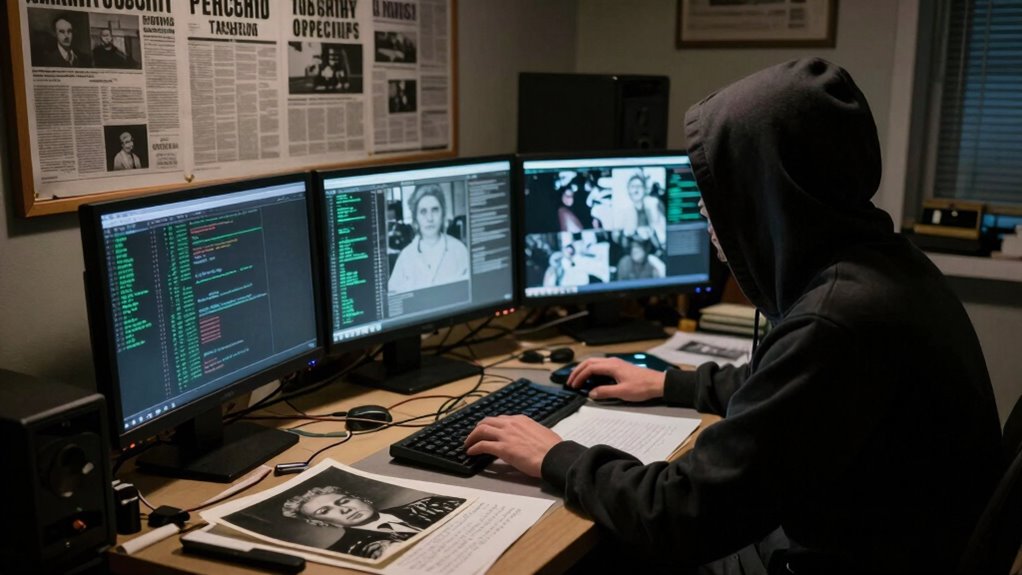
Have you ever wondered how government agencies have monitored and infiltrated domestic groups to maintain control and suppress dissent? During the Cold War era, programs like COINTELPRO exemplified this approach, secretly infiltrating political organizations, activist groups, and civil rights movements. These operations prioritized government secrecy at the expense of civil liberties, often crossing the line from legitimate law enforcement into unwarranted surveillance and harassment. Today, the legacy of COINTELPRO still influences debates around domestic surveillance, as concerns about government overreach remain central to discussions on privacy and civil rights.
COINTELPRO’s tactics, once hidden behind a veil of secrecy, set a precedent that challenges the balance between national security and individual freedoms. The program’s covert operations targeted groups that challenged authority, including civil rights leaders and anti-war activists, often with little oversight or accountability. The abuse of government secrecy allowed agencies to justify invasive surveillance, wiretapping, and disinformation campaigns, all while suppressing dissent. This history fuels ongoing fears that current surveillance practices might similarly infringe on civil liberties under the guise of protecting national security. Additionally, the use of surveillance technology has expanded significantly, raising questions about its impact on privacy. The evolution of surveillance methods has been facilitated by advances in government secrecy, which often hinder transparency and public oversight. The role of classified operations, for example, continues to be a contentious issue, as many remain unaware of how deeply surveillance can penetrate private lives.
Today, debates surrounding domestic surveillance echo many of COINTELPRO’s controversial practices. Governments justify increased surveillance as necessary to prevent terrorism and radicalization, but critics warn that such measures threaten core civil liberties. The tension lies in the government’s desire to keep certain operations secret, which can undermine transparency and accountability. When agencies operate in the shadows, it becomes difficult for the public to scrutinize or challenge their actions, raising alarms about potential abuses of power. Moreover, the expansion of surveillance powers has led to a broadening of government authority, often without sufficient checks and balances.
The influence of COINTELPRO persists in modern policies that expand surveillance powers, like the Patriot Act or expanded data collection by intelligence agencies. These initiatives often operate with limited oversight, and their secrecy can hinder civil liberties. You might find yourself questioning whether privacy rights are truly protected or if government secrecy allows authorities to sideline civil liberties in the name of security. As surveillance technology advances, this debate becomes even more urgent, with concerns about mass data collection, facial recognition, and monitoring of political activism.
In essence, the shadow cast by COINTELPRO reminds us that government secrecy can be a double-edged sword. While some argue it’s necessary for national security, it also risks eroding the civil liberties that protect individual freedoms. The ongoing discourse about domestic surveillance hinges on finding a balance—one that preserves security without sacrificing the rights that underpin a free society. Your awareness and engagement in these debates are crucial as the legacy of COINTELPRO continues to shape how governments monitor and control their citizens. Furthermore, the use of affiliates and third-party tracking in online platforms can contribute to this ongoing surveillance landscape.
privacy screen protector for laptops
As an affiliate, we earn on qualifying purchases.
As an affiliate, we earn on qualifying purchases.
Frequently Asked Questions
How Did COINTELPRO Impact Civil Liberties Beyond the 1960S?
COINTELPRO’s actions led to lasting civil liberties erosion beyond the 1960s, making you more cautious about government overreach. It sparked debates that make you question how surveillance can infringe on privacy and free speech. The program’s exposure damaged public trust in authorities, prompting calls for stronger oversight. These impacts still influence discussions today, reminding you to stay vigilant about protecting civil rights and ensuring government accountability.
Are Modern Surveillance Programs Directly Inspired by COINTELPRO Tactics?
Back in the days of dial-up internet, you’d recognize that modern surveillance programs draw clear inspiration from COINTELPRO tactics. They often blur the lines of surveillance ethics and raise privacy concerns, as agencies now utilize advanced technology to monitor individuals or groups. While not directly patterned after COINTELPRO, many tactics echo its covert operations, prompting ongoing debates about government overreach and the importance of safeguarding civil liberties today.
What Legal Reforms Have Been Implemented to Prevent Similar Abuses?
You should know that legal reforms like the Foreign Intelligence Surveillance Act (FISA) and the Privacy Act have established oversight mechanisms to prevent abuses. These measures require transparency, court approval for surveillance, and limits on government power. By strengthening oversight mechanisms, lawmakers aim to protect citizens’ rights and prevent a recurrence of covert operations like COINTELPRO. Continuous updates and oversight are essential to guarantee these reforms remain effective.
How Do Public Perceptions of Government Surveillance Today Compare to the Past?
Today, you might feel more skeptical about government surveillance due to ongoing privacy concerns and past abuses like COINTELPRO. Public trust has declined, especially with revelations about data collection programs, making many question how much privacy they really have. Compared to the past, you’re more aware of surveillance’s potential for abuse, prompting calls for stronger oversight and transparency to protect individual rights and restore trust in government institutions.
Have Any COINTELPRO Operatives Faced Accountability or Legal Consequences?
You might think justice caught up with COINTELPRO operatives, but many have slipped through the cracks like shadows in the night. Operative accountability remains elusive, and legal consequences for those involved rarely materialized. Despite public outrage, few faced prosecution, allowing the dark cloud of their actions to linger. This lack of accountability fuels debates on government oversight, reminding us that some shadows from the past still cast long, unanswered questions.
Conclusion
As you reflect on COINTELPRO’s shadow, realize it’s a mirror showing how fear can distort trust and silence voices. The hidden threads of surveillance still weave through today’s debates, symbolizing a chain linking past to present. Your awareness becomes the key to breaking this cycle, freeing the voice of truth from the cage of suspicion. In recognizing the symbolism, you hold the power to shape a future where transparency replaces secrecy.
Halloween Picks
halloween
As an affiliate, we earn on qualifying purchases.