

The 2015 OPM breach revealed serious weaknesses in personnel security, including the risks posed by insider threats and insufficient monitoring. It prompted reforms emphasizing ongoing background checks, continuous insider activity monitoring, and stricter access controls. Organizations now prioritize data encryption and multi-factor authentication to better protect sensitive information. These changes aim to prevent future breaches and strengthen security culture. If you’re curious about how these updates impact security practices, explore further to discover essential insights.
Key Takeaways
- The breach highlighted the critical need for continuous personnel screening and activity monitoring beyond initial background checks.
- It prompted increased adoption of data encryption to protect sensitive personnel information.
- Organizations reinforced layered security measures, including access controls and multi-factor authentication.
- The incident underscored the importance of fostering a security-aware culture among employees.
- It led to policy updates emphasizing proactive, ongoing personnel security strategies to prevent similar breaches.
Have you ever wondered how a single lapse in personnel security can jeopardize an entire organization? The 2015 Office of Personnel Management (OPM) breach is a stark reminder of that reality. Hackers exploited vulnerabilities in personnel security protocols, gaining access to sensitive data on millions of federal employees. This event exposed the dangerous threat insider threats pose, especially when combined with weak security measures. When insiders with access to confidential information turn malicious or careless, the damage can be catastrophic, revealing vulnerabilities that external threats often exploit. The breach forced organizations to rethink how they manage personnel security, emphasizing the importance of robust policies and technological safeguards.
A single lapse in personnel security can expose organizations to catastrophic insider threats and vulnerabilities.
One of the key lessons learned from the OPM breach is the necessity of implementing extensive data encryption. Without proper encryption, sensitive information remains vulnerable even if hackers breach firewalls or gain physical access. Data encryption acts as an essential line of defense, transforming readable data into an unreadable format that only authorized personnel can decode. This way, even if a breach occurs, the stolen data becomes meaningless to malicious actors. Organizations now prioritize encryption not just for stored data but also during transmission, reducing the chances that intercepted information can be exploited.
The breach also highlighted the importance of screening and monitoring personnel. Relying solely on background checks isn’t enough anymore. Continuous monitoring of insider activities, combined with strict access controls, can prevent insiders from accessing information they don’t need for their roles. Implementing multi-factor authentication and least privilege principles limits the damage any insider threat can cause. When insiders are aware that their activities are being monitored, and their access is limited, organizations create a more secure environment where malicious or careless actions become less likely. Additionally, understanding the significance of insider threats emphasizes that safeguarding personnel data involves more than just initial vetting—it requires ongoing vigilance and layered security measures. When insiders with access to confidential information turn malicious or careless, the damage can be catastrophic, revealing vulnerabilities that external threats often exploit.
Furthermore, the OPM incident prompted organizations to rethink their incident response strategies. A quick and effective response to personnel security breaches is essential in minimizing damage. Clear protocols for identifying, reporting, and mitigating insider threats ensure that breaches are contained swiftly. Training employees to recognize suspicious behavior and fostering a culture of security awareness also play an indispensable role in preventing insider threats.
In the aftermath of the breach, organizations recognized that personnel security isn’t just about hiring the right people but continuously safeguarding sensitive information through layered security measures—like encryption, ongoing monitoring, and strict access controls. The lessons from the OPM breach continue to shape policies, aiming to prevent a similar incident from happening again. It’s a stark reminder that safeguarding personnel data requires vigilance, technology, and a proactive security mindset.
Symantec VIP Hardware Authenticator – OTP One Time Password Display Token – Two Factor Authentication – Time Based TOTP – Key Chain Size
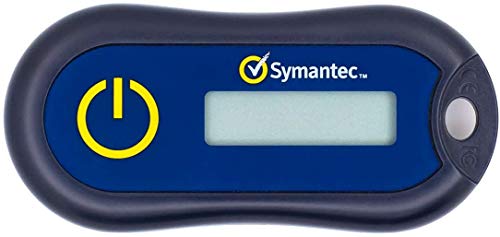
Compact, secure TOTP hardware token for two-factor authentication with a 6-digit code and countdown timer.
As an affiliate, we earn on qualifying purchases.
As an affiliate, we earn on qualifying purchases.
Frequently Asked Questions
How Long Did It Take to Contain the Breach?
It took several months to contain the breach. During this time, you realize that data encryption was essential in protecting sensitive information, but insider threats still posed risks. You work tirelessly with cybersecurity experts to identify vulnerabilities, shut down unauthorized access, and strengthen security protocols. The delay underscores how vital ongoing vigilance and advanced security measures are, especially when dealing with insider threats that can exploit even robust data encryption systems.
Were Any Government Agencies Unaffected by the Breach?
You might wonder if any government agencies remained unaffected by the breach. While many agencies improved their agency resilience, the breach exposed vulnerabilities across numerous departments, highlighting the importance of data privacy. Some agencies experienced less impact, but overall, the incident underscored the need for robust cybersecurity measures nationwide. It prompted agencies to reevaluate their defenses, emphasizing the critical role of safeguarding sensitive information and enhancing resilience against future attacks.
What Legal Actions Resulted From the Breach?
You should know that the breach led to significant legal repercussions, including multiple class action lawsuits filed by affected individuals. These lawsuits claim damages due to compromised personal information. The government faced pressure to settle these suits, resulting in substantial financial payouts and policy changes. This legal fallout aimed to hold entities accountable and improve security measures, emphasizing the importance of safeguarding sensitive personnel data against future cyber threats.
How Has Personnel Security Screening Changed Since Then?
Since then, personnel security screening has become more rigorous, focusing on thorough background checks, enhanced data encryption, and continuous monitoring. You now face stricter security measures, tighter vetting processes, and real-time updates. Background checks dig deeper into your history, while data encryption safeguards your information from breaches. These changes aim to prevent future vulnerabilities, ensuring that only trusted individuals access sensitive data, making personnel security stronger and more resilient.
What Are the Long-Term Impacts on Federal Cybersecurity?
You’ll notice that federal cybersecurity now prioritizes combating insider threats and enhancing data encryption. These long-term impacts mean you need to stay vigilant about internal risks and guarantee sensitive data remains protected through advanced encryption methods. By adopting stricter access controls and monitoring, you help maintain security integrity. Ultimately, these changes create a more resilient system, making it harder for malicious insiders to exploit vulnerabilities and safeguarding national information assets.
Conclusion
While it’s understandable to feel uneasy about the OPM breach’s impact on personnel security, remember that it prompted essential reforms. These changes strengthen safeguards and improve your protection against future threats. Instead of dwelling on fears, focus on how these updates empower you with better security practices. Knowledge is your best defense, and staying informed helps you navigate these shifts confidently. Embrace the improvements—they’re designed to keep your personal information safer than ever before.