
During the Cold War, Soviet agents stole America’s nuclear secrets using covert methods like clandestine meetings, coded messages, and infiltration of scientific and military sites. The Rosenberg case exemplifies how spies passed essential information to the Soviets, employing secret communication and undercover operations. Their actions revealed vulnerabilities in U.S. security and fueled Cold War tensions. To discover how these espionage techniques played out and shaped history, explore further insights into this crucial era.

Get privacy and security gear delivered free — and shop member deals
- Fast, free delivery on millions of items
- Access to Prime Big Deal Days deals on October 6–7
- Prime Video, Amazon Music and more included
Key Takeaways
- Soviet agents used covert techniques like dead drops, coded messages, and couriers to secretly transmit nuclear secrets from American scientists.
- The Rosenbergs were accused of passing vital Manhattan Project information to Soviet spies, aiding the USSR’s nuclear program.
- Espionage involved infiltration of U.S. scientific and military establishments, enabling theft of sensitive nuclear data.
- Intelligence agencies employed surveillance, wiretaps, and informants to uncover the spy network and gather evidence.
- The case exemplifies Cold War espionage strategies aimed at gaining strategic advantage through clandestine nuclear information transfer.
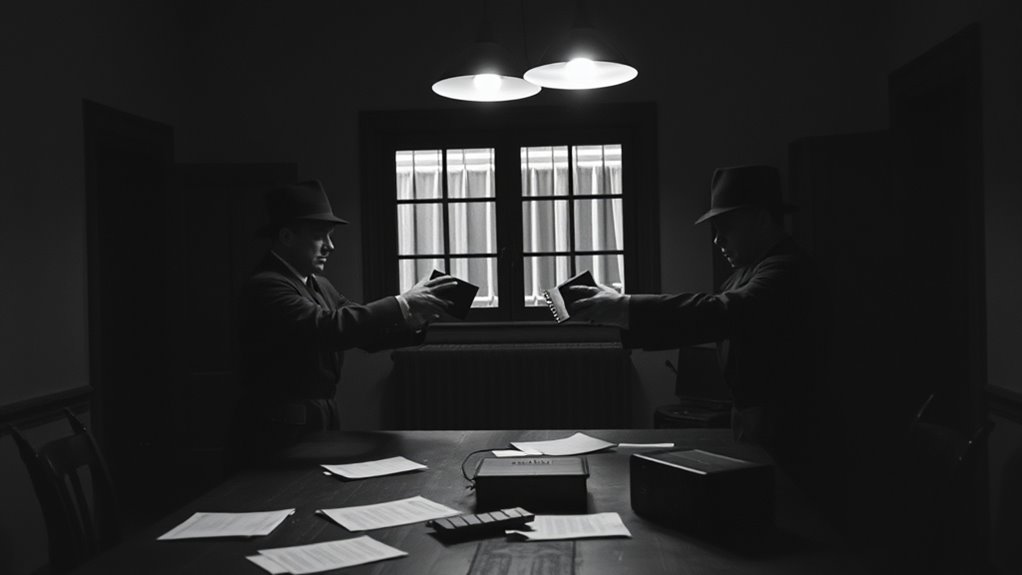
Have you ever wondered how the Rosenberg spy case shook the United States during the Cold War? It was a pivotal moment that exposed the intense cold war dynamics happening behind the scenes. During this period, espionage techniques became more sophisticated and clandestine as both sides sought to gain a strategic edge. The Rosenbergs, Julius and Ethel, found themselves caught in this web of secrecy, suspicion, and political tension, which would forever alter American perceptions of security and loyalty.
The Cold War was marked by a relentless struggle for technological and ideological supremacy, and nuclear secrets were at the heart of this rivalry. Soviet agents, operating covertly within the United States, employed advanced espionage techniques to infiltrate American scientific and military establishments. They relied on clandestine meetings, dead drops, coded messages, and sympathetic couriers to pass sensitive information. The Rosenbergs, accused of being key players in this network, allegedly supplied the Soviets with vital details about the Manhattan Project, the U.S. effort to develop nuclear weapons. Their arrest and subsequent trial revealed the extent to which espionage had become a weapon in the Cold War arsenal.
As you consider the case, it’s important to understand how espionage techniques evolved during this time. The Rosenbergs’ actions exemplified the use of espionage as a means to undermine national security. Their alleged activities weren’t just about stealing secrets—they symbolized the broader battle between superpowers for dominance. The FBI and other intelligence agencies worked tirelessly, employing surveillance, wiretaps, and informants to uncover the truth. The case also highlighted the paranoia gripping the nation, fueled by fears of communist infiltration and the threat of nuclear annihilation. It was a period when suspicion could turn neighbor against neighbor, and accusations of espionage carried severe consequences.
This case demonstrated how espionage was more than just spying; it was a tool wielded by nations to sway the balance of power. The Rosenbergs’ conviction sent a chilling message about the stakes involved in Cold War espionage. It exposed the methods used by Soviet agents to penetrate American defenses and the lengths to which the U.S. government would go to protect its secrets. Their story remains a stark reminder of how espionage techniques, combined with the tense cold war dynamics, shaped the course of history. Understanding this helps you grasp the intense secrecy and peril that defined an era where trust was scarce, and information was power. Additionally, the case underscored the importance of espionage techniques in shaping national security policies during the Cold War era.
spy gear kit
As an affiliate, we earn on qualifying purchases.
As an affiliate, we earn on qualifying purchases.
Frequently Asked Questions
How Were Rosenbergs Caught and Identified as Spies?
You find out the Rosenbergs were caught through Cold War espionage techniques when authorities intercepted their communications and uncovered evidence of their secret meetings. They used surveillance and code-breaking to track their activities, revealing their involvement in passing nuclear secrets to the Soviets. This Cold War espionage effort exposed their roles as spies, leading to their arrest and conviction, demonstrating the intense intelligence battles of that era.
What Specific Nuclear Secrets Did Rosenbergs Leak?
Think of their betrayal as a snake in the grass—you’d never see it coming. You learn that the Rosenbergs leaked essential nuclear secrets, including details about the atomic bomb’s design and manufacturing techniques. Using espionage techniques rooted in Cold War diplomacy, they passed sensitive information to the Soviets, accelerating their development of nuclear weapons. Their actions compromised national security, illustrating how espionage can turn diplomacy into dangerous deception.
Were There Other Spies Involved Besides Rosenbergs?
Yes, other spies were involved in Soviet espionage during the Cold War era. You should know that the Rosenbergs weren’t alone; several individuals, like Klaus Fuchs and David Greenglass, also passed nuclear secrets to the Soviets. These acts of Cold War espionage helped the USSR advance its nuclear program, highlighting a broader network of Soviet agents operating in the US. Their actions considerably impacted national security during that tense period.
How Did the Soviet Union Benefit From the Stolen Secrets?
They really hit the jackpot, as the Soviet Union gained a huge advantage from the stolen secrets. During Cold War espionage, this intel accelerated nuclear proliferation, helping them develop atomic weapons faster and level the playing field. By stealing America’s nuclear secrets, they closed the technological gap, boosting their military power and influence worldwide. This secret boost kept them competitive and threatened global stability, showing how espionage can tip the scales.
What Was the Impact of the Case on American Intelligence Policies?
The case prompted you to see significant counterintelligence reforms and policy shifts across U.S. intelligence agencies. You realize that increased security measures, tighter screening processes, and heightened vigilance became priorities to prevent future espionage. These changes aimed to protect national secrets better, improve coordination among agencies, and restore public trust. As a result, you notice a more cautious approach to handling sensitive information and a focus on preventing insider threats.
Conclusion
As you reflect on the Rosenberg spy case, you see it as a shadow cast over trust and security, a silent storm that changed history’s course. The secret whispers, like a deadly dance, slipped through fingers and ignited a fire of suspicion. In this web of betrayal, you realize that even the brightest light can be dimmed by the darkness of betrayal, reminding you how fragile peace truly is when secrets seep into the shadows.
Evergreen bestsellers Picks
bestsellers
As an affiliate, we earn on qualifying purchases.