

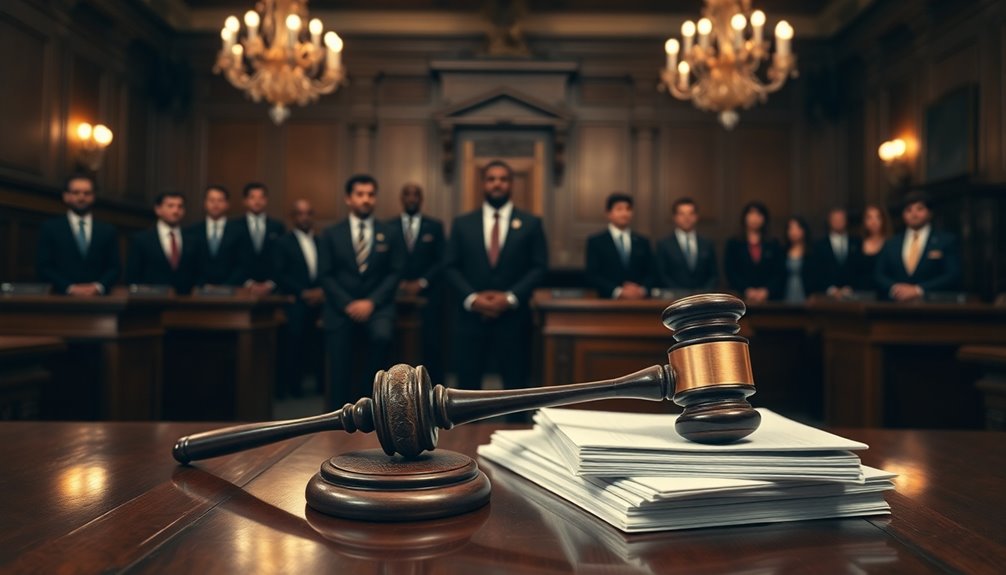
As the 4th Circuit Court of Appeals lifts a nationwide injunction on Donald Trump's executive orders aimed at dismantling Diversity, Equity, and Inclusion (DEI) programs, the ruling empowers his administration to enforce these controversial policies while legal challenges unfold. This decision marks a significant legal victory for Trump's administration, allowing them to push forward with orders that target DEI practices in federal agencies and among contractors, all while litigation continues.
Open a free Amazon Business account
Business pricing, bulk buying and tax-exempt orders.
As an affiliate, we earn on qualifying purchases.
The executive orders aim to eliminate DEI programs across federal agencies, requiring contractors to certify compliance with anti-discrimination laws. By April 21, 2025, federal contractors must cease promoting diversity and affirmative action. The orders not only rescind previous executive actions related to DEI and affirmative action but also encourage private employers to end what the administration classifies as "illegal" DEI practices. This sets a precedent that could deter efforts to promote diversity in workplaces and educational institutions.
The executive orders threaten to dismantle DEI programs, pushing contractors to abandon diversity and affirmative action efforts by 2025.
While the appeals court noted potential First Amendment concerns regarding the vagueness of the orders, it ultimately found the injunction too broad. It's important to understand that this ruling doesn't serve as a final judgment on the legality of the executive orders. Multiple lawsuits, including one from the National Association of Diversity Officers in Higher Education, challenge their legitimacy, with some arguing that the orders could result in a potential chilling effect on government contractors pursuing diversity goals. As these legal battles unfold, the outcome remains uncertain, especially with the Supreme Court's recent decision in *Students for Fair Admissions* likely influencing future rulings.
The implications of these orders extend deeply into education. They specifically target DEI initiatives in higher education, risking the elimination of practices crucial for ensuring equal access in education. While schools must still comply with federal civil rights laws, the pressure to abandon DEI programs could create confusion and hinder efforts to promote diversity.
Although K-12 education isn't directly impacted, the ripple effects could still affect broader educational policies. Economically and socially, these orders threaten to roll back decades of progress in promoting diversity and inclusion. Historically marginalized groups might face increased barriers to opportunity, as the administration's actions are seen as part of a larger Republican movement against DEI initiatives.
As federal contractors grapple with compliance, the potential confusion could undermine their ability to foster diversity in hiring, leaving many questioning the future of equitable practices in the workplace. In an ever-evolving legal landscape, the implications of this ruling will continue to unfold, impacting various sectors and raising questions about the future of diversity and inclusion in America.
diversity and inclusion compliance training
As an affiliate, we earn on qualifying purchases.
As an affiliate, we earn on qualifying purchases.
Flea & tick season Picks
flea and tick prevention
As an affiliate, we earn on qualifying purchases.