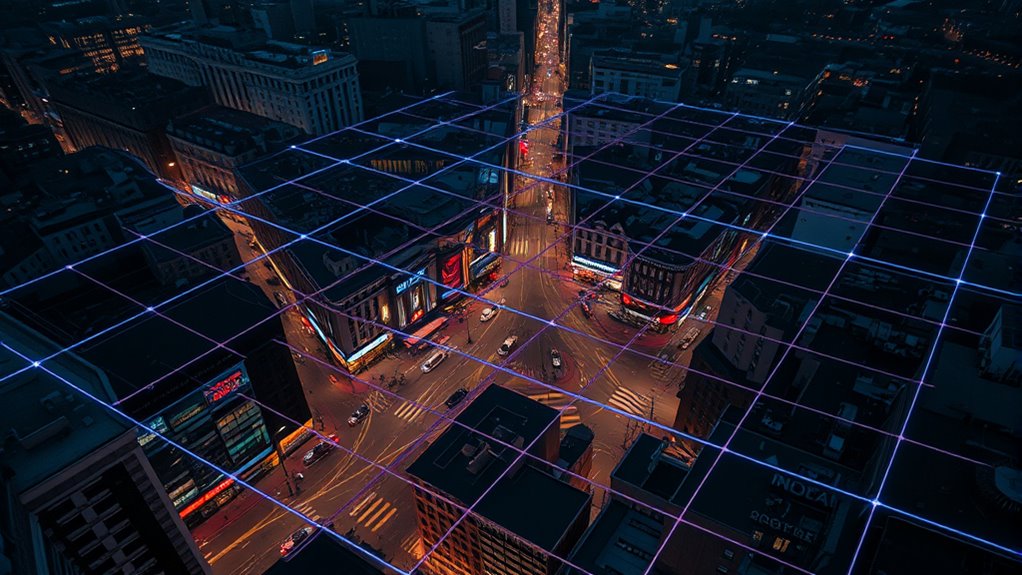

Geofence warrants are powerful tools that help law enforcement gather location data from devices within a specific area, aiding in solving crimes. However, they also raise serious privacy concerns because they often include data from many innocent people, risking unwarranted surveillance. The legal and ethical debates continue about how to balance effective investigation with protecting personal rights. If you want to understand how these warrants impact your privacy and civil liberties, there’s more to explore.
Key Takeaways
- Geofence warrants help law enforcement identify suspects quickly but often collect data from many innocent individuals.
- They raise privacy concerns due to potential mass surveillance and unwarranted intrusion into personal movements.
- Legal challenges focus on balancing investigation needs with Fourth Amendment rights against unreasonable searches.
- Evolving technology prompts ethical questions about data collection, storage, and potential misuse.
- Effective oversight is essential to prevent abuse and ensure geofence warrants serve justice without infringing privacy rights.

Have you ever wondered how law enforcement tracks suspects in today’s digital age? One of the tools gaining prominence is the use of geofence warrants, which allow authorities to collect location data from devices within a specific geographical area during a set timeframe. When a crime occurs, police can request data from tech companies to identify all devices that were present at the scene, potentially pointing to suspects or witnesses. This approach can be incredibly powerful for solving cases quickly and efficiently. However, it’s not without its controversies and complexities. As much as geofence warrants can aid investigations, they raise important privacy concerns and legal challenges that can’t be ignored.
Privacy concerns are front and center when it comes to geofence warrants. When law enforcement requests data from tech companies, they often receive information about hundreds, if not thousands, of individuals who happen to be in the area, regardless of whether they’re suspects or witnesses. This broad collection of data can infringe on personal privacy rights, especially when individuals have no connection to the crime. People may feel their movements and location history are being scrutinized without proper cause, leading to fears of mass surveillance and unwarranted intrusion into everyday life. The scope of data collected in these warrants can be vast, capturing details about innocent bystanders, which amplifies concerns about how this information is stored, used, and protected. Additionally, the technology behind geofence warrants continues to evolve, raising new legal and ethical questions about data collection practices.
Legal challenges also complicate the use of geofence warrants. Courts are still grappling with how to interpret privacy laws in the context of digital data collection. Some argue that these warrants violate Fourth Amendment rights against unreasonable searches because they sweep up data from large groups of people, many of whom aren’t connected to the crime. Others contend that law enforcement should have the ability to access location data when investigating serious crimes. This ongoing debate has led to pushback from privacy advocates and legal experts, prompting courts to scrutinize the scope and legality of such warrants. Additionally, tech companies sometimes push back against these requests, citing privacy policies or legal limits, which can delay investigations or limit the data provided.
In essence, geofence warrants represent a double-edged sword: they can greatly aid law enforcement efforts but also threaten individual privacy and challenge legal boundaries. As technology advances, it’s essential to strike a balance that respects citizens’ rights while enabling effective crime-solving. Without careful oversight and clear legal standards, these digital tools risk turning into a form of mass surveillance that undermines the very privacy rights they threaten to infringe upon.
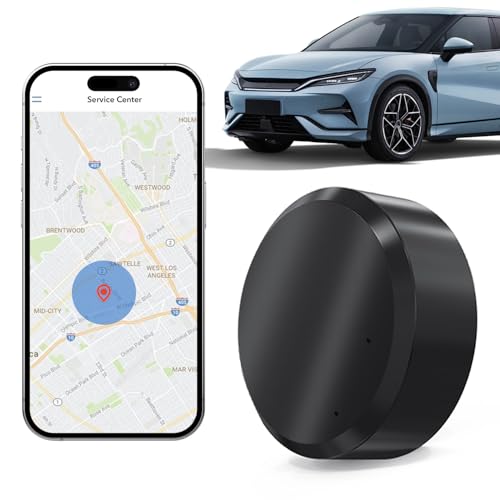
Mini GPS Tracker for Vehicles: Tracker Device for Vehicles No Subscription No Monthly Fee Car Tracker Device Hidden Magnetic Real-Time Tracking for Cars Kids Dogs (GF11-PP4)
- Real-Time GPS Tracking: Precise location updates to your smartphone
- Easy Setup: Insert SIM and start monitoring instantly
- Customizable Update Intervals: Choose 30s, 1, 5, or 10-minute updates
As an affiliate, we earn on qualifying purchases.
As an affiliate, we earn on qualifying purchases.
Frequently Asked Questions
How Often Are Geofence Warrants Issued Annually?
You might be surprised to learn that thousands of geofence warrants are issued annually, often raising privacy concerns. Law enforcement agencies request these warrants to access location data, but data accuracy varies, which can lead to issues like wrongful suspicion. While they’re a powerful tool for crime fighting, the frequency of issuance emphasizes the need to balance crime prevention with respecting individual privacy rights.
What Safeguards Exist to Prevent Misuse of Geofence Data?
You should know that safeguards like strict data access controls, judicial oversight, and data minimization help prevent misuse of geofence data. These measures aim to address privacy concerns by limiting who can see and use the information. However, ongoing oversight is essential, as improper access or misuse could still occur. Staying informed about these safeguards helps you understand how your privacy is protected in the digital age.
Can Geofence Warrants Be Challenged Legally?
Absolutely, you can challenge geofence warrants legally—think of it as your digital right to say, “Not so fast.” Courts often scrutinize whether proper legal procedures and privacy protections were followed. You might argue that the warrant lacked specificity or violated your rights. Your challenge can lead to suppressing evidence or even quashing the warrant. So yes, with the right legal help, you have a fighting chance against these broad digital fishing expeditions.
How Long Is Geofence Data Typically Retained?
You might wonder how long geofence data is retained, and it varies depending on privacy implications and data retention policies. Typically, agencies keep this data for weeks to months, but some may store it longer, raising concerns about privacy implications. It is crucial to understand that data retention policies differ by jurisdiction and agency, influencing how long your location information could be stored and potentially accessed without your knowledge.
Are There Privacy Concerns Unique to Geofence Warrants?
Yes, geofence warrants raise privacy concerns that are unique because they threaten your location privacy. You might not realize how much your data is exposed or how easily it’s accessed without your knowledge. Data security is also at risk if authorities mishandle your information. These warrants can lead to overreach, making it essential to scrutinize how your location data is collected, stored, and used to protect your rights.
![Ailun Privacy Screen Protector for iPhone 17e / iPhone 16e / iPhone 14 / iPhone 13 / iPhone 13 Pro [6.1 Inch] 2 Pack Anti Spy Private Tempered Glass Case Friendly [Not for iPhone 16 6.1 Inch]](https://m.media-amazon.com/images/I/41BTcRUr-ZL._SL500_.jpg)
Ailun Privacy Screen Protector for iPhone 17e / iPhone 16e / iPhone 14 / iPhone 13 / iPhone 13 Pro [6.1 Inch] 2 Pack Anti Spy Private Tempered Glass Case Friendly [Not for iPhone 16 6.1 Inch]
- Pack Size: Includes 2 privacy screen protectors
- Device Compatibility: Fits iPhone 16e, 14, 13, 13 Pro 6.1 inch
- Protection Level: Resists scratches, scrapes, bumps
As an affiliate, we earn on qualifying purchases.
As an affiliate, we earn on qualifying purchases.
Conclusion
Think of geofence warrants as a fishing net cast into a digital ocean. Sometimes, you catch the intended fish, but often, you trap a whole swarm of innocent bystanders. Just like a net that can accidentally entangle non-targets, these warrants risk sweeping up innocent lives in the pursuit of criminals. As technology advances, it’s essential to ask: are we fishing for justice or just catching unintended collateral? We must tread carefully to avoid turning the digital domain into a sprawling dragnet.

AOBOCAM Anti-Spy Hidden Camera Detector with 99% Accuracy,Find GPS Trackers &Listening Devices Portable Privacy Protector for Hotel/Travel,Anti-Surveillance RF Bugs Detector with LED (Black)
- High-Precision Detection: AI-enhanced 99.9% accuracy for covert threats
- Multi-Alert System: Flashing LEDs, vibrations, and adjustable beeps
- Faster Room Scanning: 30% quicker with dual-sensor technology
As an affiliate, we earn on qualifying purchases.
As an affiliate, we earn on qualifying purchases.

A Complete Guide to Mastering Open-Source Intelligence (OSINT): Methods and Tools to Discover Critical Information, Data Protection, and Online Security
As an affiliate, we earn on qualifying purchases.
As an affiliate, we earn on qualifying purchases.