
TL;DR

Get privacy and security gear delivered free with Prime
- Fast, free delivery on millions of items
- Prime Video, Amazon Music and more included
- Member-only deals all year
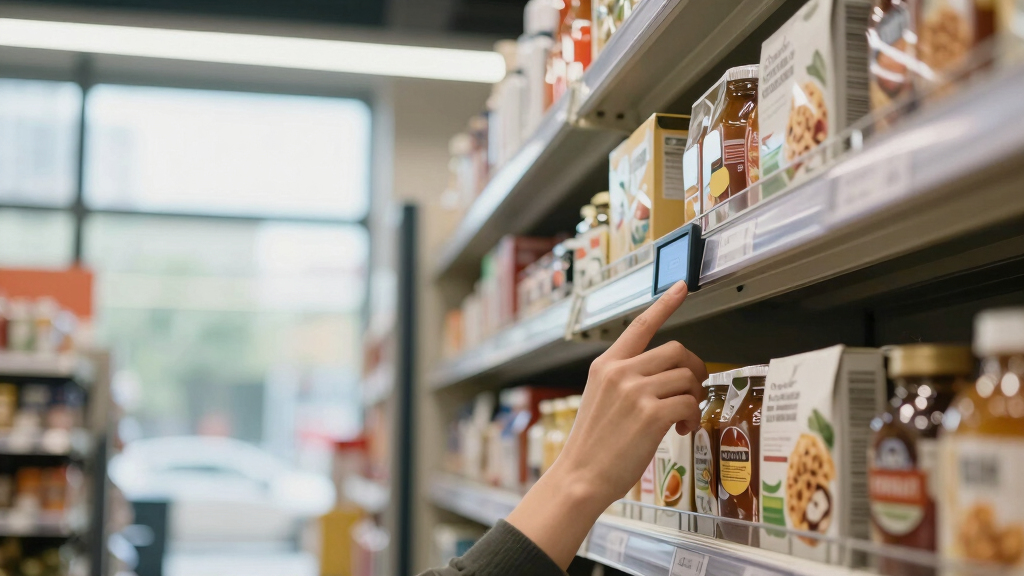
A survey indicates 68% of Americans support banning surveillance pricing and electronic shelf labels due to fears of higher grocery prices and privacy issues. The movement aims to regulate or ban these technologies nationwide amid ongoing legislative efforts.
According to a new survey from GBAO Strategies, 68% of Americans support banning surveillance pricing and electronic shelf labels (ESLs), citing concerns over potential price hikes and privacy violations. The survey highlights widespread public apprehension about these technologies amid ongoing legislative efforts.
The survey, commissioned by the United Food and Commercial Workers International Union as part of its ‘Affordable Groceries and Good Jobs Campaign,’ shows that a significant majority of Americans are worried about how digital pricing could increase grocery costs. Specifically, 68% believe surveillance pricing could lead to higher prices, while only 5% think it might lower costs, and 20% expect no change. Additionally, 67% support banning ESLs outright.
Proponents of digital shelf labels, including Walmart, argue that these technologies are used for competitive pricing and are not intended for price gouging. Walmart has patented AI-powered price changes and plans to deploy ESLs in all U.S. stores by the end of 2026, insisting that human oversight remains in place. However, critics, including UFCW Vice President Ademola Oyefeso, contend that ESLs are tools for price gouging and that the industry promotes them as beneficial while masking potential harms.
Why It Matters
This development matters because it reflects growing public concern about the impact of new retail technologies on grocery prices and consumer privacy. With inflation at a record low sentiment index and wages lagging behind rising costs, many Americans fear that surveillance pricing could exacerbate economic hardships. The support for banning these practices could influence legislative action at the state and federal levels, potentially leading to stricter regulations or bans.
electronic shelf labels for grocery stores
As an affiliate, we earn on qualifying purchases.
As an affiliate, we earn on qualifying purchases.
Background
Legislative efforts are already underway in at least a dozen states to regulate or ban surveillance pricing and ESLs. Maryland recently passed the first law banning such practices, but critics argue that the legislation contains loopholes. The debate over digital shelf labels and personalized pricing has intensified amid rising inflation and consumer advocacy, with unions and consumer groups urging lawmakers to act before these technologies become widespread.
“The ESL industry sells the prospect of higher prices and job losses as positives. Across the country, families are having to make tough choices in the grocery aisle every day as a result of sky-high prices, and polling clearly shows that they want these predatory technologies banned.”
— Ademola Oyefeso, UFCW Vice President
“We are not using ESLs to raise prices. Human managers oversee all price changes, and these labels are meant to improve efficiency, not manipulate prices.”
— Walmart spokesperson (unnamed)
What Remains Unclear
It remains unclear how widespread the adoption of surveillance pricing will become if legislation is passed, or whether companies will modify their practices in response to public opposition and legal restrictions. The specifics of how AI-powered price changes will be regulated are still being debated, and enforcement mechanisms are not yet established.
What’s Next
Next steps include legislative debates in multiple states, with some already considering or passing bans. Monitoring how companies adjust their pricing strategies in response to these laws will be crucial. Additionally, advocacy groups are likely to intensify efforts to close loopholes and expand bans nationwide.
Key Questions
What is surveillance pricing?
Surveillance pricing involves companies using consumer data and digital technologies like electronic shelf labels to dynamically adjust prices, potentially based on individual customer profiles or real-time market conditions.
Why are people concerned about electronic shelf labels?
Many believe ESLs enable companies to raise prices without transparency, especially during times of high inflation, and may lead to personalized pricing that disadvantages certain consumers.
Which states are considering legislation on this issue?
At least a dozen states are examining laws to regulate or ban surveillance pricing and ESLs, with Maryland having already enacted a ban. Details vary by state, and some legislation faces criticism for loopholes.
Will companies stop using electronic shelf labels if bans are enacted?
It is uncertain. Companies may seek alternative methods or lobby against restrictions. Enforcement and compliance will be key factors in the effectiveness of new laws.
Source: reddit
Halloween Picks
halloween
As an affiliate, we earn on qualifying purchases.