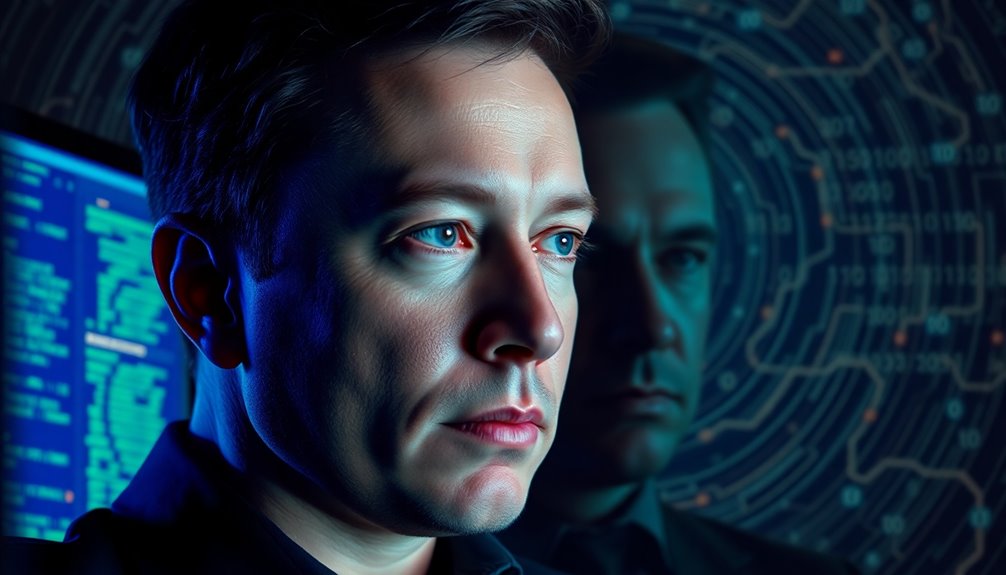

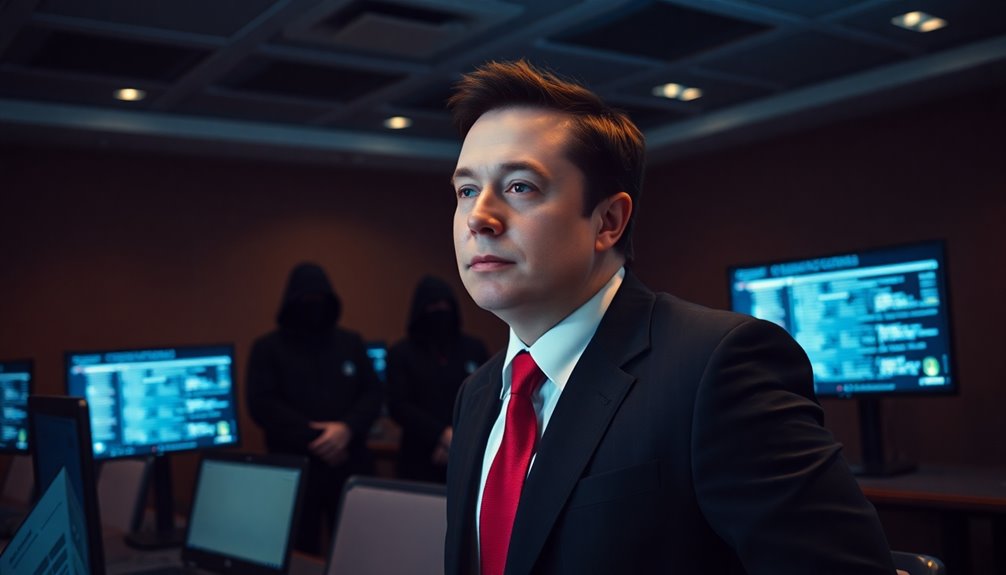
As Elon Musk steps into the spotlight with his recent visit to the NSA and U.S. Cyber Command, you can’t help but wonder what his unconventional approach means for cybersecurity. Leading the Department of Government Efficiency, Musk’s goal is to streamline federal spending and bureaucracy, but some experts are raising eyebrows. His visit marks a pivotal moment, especially considering his call for an overhaul of the NSA just before he arrived. Discussions surrounding staff reductions and operational changes were on the table, stirring concerns about the potential impact on national security.

Get privacy and security gear delivered free — and shop member deals
- Fast, free delivery on millions of items
- Access to Prime Big Deal Days deals on October 6–7
- Prime Video, Amazon Music and more included
Elon Musk’s visit to the NSA raises questions about cybersecurity and the future of federal efficiency initiatives.
You might be surprised to learn that Musk’s team reportedly accessed sensitive government systems during this visit, which raises significant security concerns. Experts question whether it’s legal or safe to allow uncleared individuals into such crucial areas. The risks are substantial; unauthorized access could expose millions of federal employees’ personal data, and violations of federal cybersecurity laws like FISMA could have serious consequences. Critics argue that the lack of adherence to established security protocols is alarming.
Transparency in cybersecurity practices is becoming paramount. You might think that the balance between technological innovation and ethical concerns around privacy and surveillance is delicate. As tech giants engage with government agencies, the need for clear regulatory measures becomes increasingly apparent. Public sentiment around Musk’s involvement with the NSA is mixed, reflecting both support for enhanced security and apprehension about privacy violations. This debate could redefine corporate responsibility and government oversight. The expected deepening of this relationship could lead to further scrutiny of Musk’s actions and their implications for national security.
Navigating the legal and regulatory landscape is complex. Concerns over FISMA compliance and the necessity of security clearances to access sensitive systems are crucial. You can imagine the potential legal repercussions for unauthorized disclosure of sensitive information. The role of executive orders in granting access to federal systems adds another layer of complexity. Congressional oversight is essential to ensure that security protocols are consistently followed.
Musk’s ambitions include rapid upgrades to critical systems like air traffic control, but this could introduce new cybersecurity vulnerabilities if not managed carefully. The complexity of government systems demands specialized expertise to mitigate risks effectively.
As you ponder the implications of Musk’s visit, it becomes clear that the future of cybersecurity hinges on transparency, ethical considerations, and collaboration between the private sector and government. With the stakes so high, you can’t help but wonder what the next chapter in this evolving narrative will bring.
cybersecurity compliance software
As an affiliate, we earn on qualifying purchases.
As an affiliate, we earn on qualifying purchases.
Fall Picks
fall essentials
As an affiliate, we earn on qualifying purchases.