

In today’s world, you face the challenge of balancing your privacy with the need for security as machine surveillance becomes more common. Governments and companies use cameras and facial recognition to keep society safe, but this often comes at the cost of personal privacy and freedoms. While surveillance can deter crime and prevent threats, it also risks invasion of your space and errodes your autonomy. If you want to explore how this balance affects you and society, there’s more to contemplate.
Key Takeaways
- Surveillance enhances public safety by enabling real-time crime tracking and threat prediction, but risks infringing on individual privacy rights.
- Increased use of AI and facial recognition raises concerns about transparency, misuse, and potential wrongful accusations.
- Constant monitoring can lead to self-censorship, behavioral changes, and a diminished sense of personal freedom.
- Balancing security benefits with privacy preservation requires clear policies, oversight, and ethical considerations.
- Technological advances demand informed advocacy to ensure security measures do not override fundamental privacy and autonomy rights.
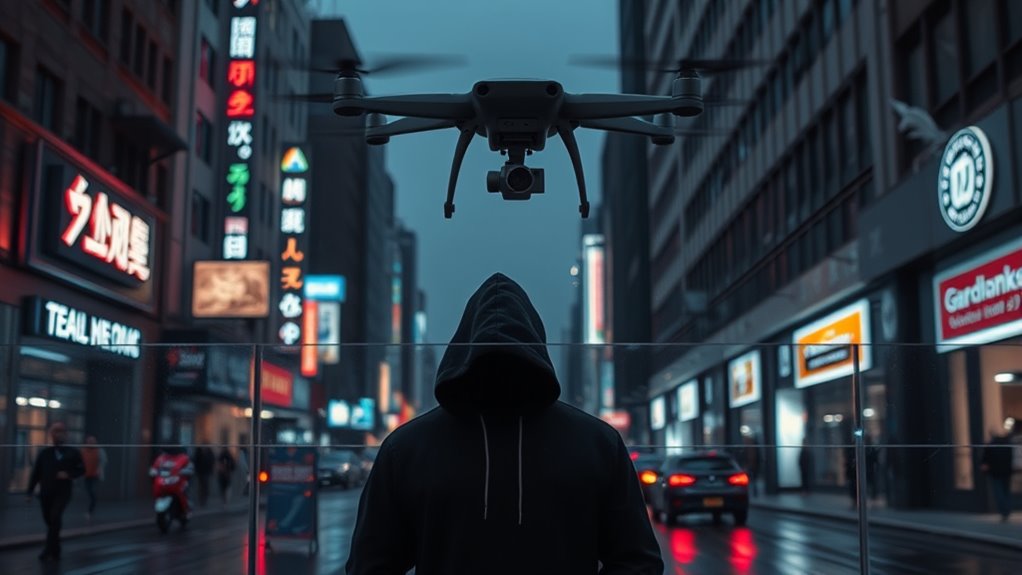
As machine surveillance becomes increasingly integrated into everyday life, the tension between privacy and security grows more urgent. You might find yourself walking through city streets, unaware of the countless cameras watching your every move. Governments and corporations deploy these devices to maintain safety, prevent crime, and streamline services. Yet, this constant monitoring can feel like an invasion of your personal space, raising questions about how much privacy you’re willing to sacrifice for the promise of security. The debate isn’t just abstract; it’s a real concern that affects your daily life and future freedoms.
Constant surveillance in daily life raises urgent privacy and security concerns affecting personal freedom and societal trust.
On one side, proponents argue that surveillance makes society safer. When authorities can track criminal activity in real time or analyze patterns to predict threats, they can respond more effectively. For example, facial recognition in public spaces helps identify suspects quickly, potentially preventing terrorist attacks or violent crimes. These measures can save lives and create a sense of order in chaotic environments. It’s easy to see why many support increased surveillance—it’s about protecting you and others from harm. However, the flip side is that mass data collection can lead to misuse, discrimination, or even wrongful accusations. When your personal information is stored and analyzed without strict oversight, you risk losing control over your own identity and freedoms.
You also need to think about how surveillance impacts your behavior. Knowing you’re constantly watched can lead to self-censorship, altering how you express yourself or go about your daily routines. This phenomenon, often called the “chilling effect,” can diminish your sense of autonomy and freedom. While security measures might prevent some crimes, they can also create a climate of suspicion and mistrust. Over time, this pervasive surveillance could normalize invasive practices, making privacy seem like an outdated concept. It’s important to ask yourself: Are the security benefits worth the potential erosion of your privacy?
Furthermore, technological advances make surveillance more efficient but also more intrusive. AI-powered tools can analyze vast amounts of data quickly, but they often do so without transparency or accountability. When you don’t know how your information is being used or if it’s being shared with third parties, your privacy diminishes further. As these technologies evolve, the line between safeguarding security and invading privacy becomes blurrier. You must stay informed and advocate for policies that balance the two, ensuring your rights aren’t sacrificed in the name of safety. Additionally, understanding the role of Personality Traits in shaping your responses to surveillance can help you navigate these changes more effectively. Ultimately, the challenge lies in finding a way to harness the benefits of machine surveillance without undermining the fundamental rights that protect your personal freedom.
KAXYUYA Hidden Camera Detector RF Bug Detector Camera Finder GPS Tracker Listening Device Detector Personal Privacy Protection Device for Car, Hotel, Meeting, Travel
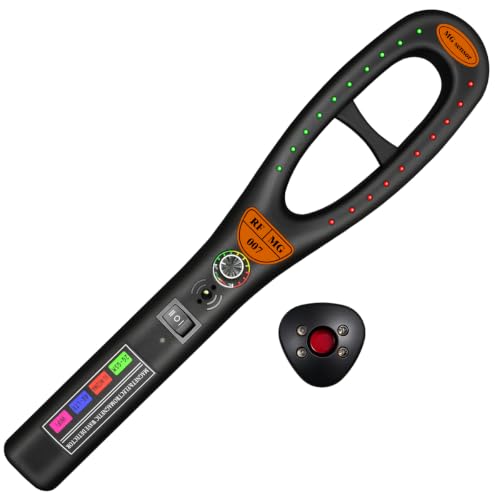
Portable RF bug detector with dual magnetic and RF detection for privacy protection during travel and meetings.
As an affiliate, we earn on qualifying purchases.
As an affiliate, we earn on qualifying purchases.
Frequently Asked Questions
How Do Different Countries Prioritize Privacy Versus Security?
Different countries prioritize privacy and security based on their values and legal frameworks. You might find nations like the U.S. emphasizing security, allowing broad surveillance powers, while countries like Germany prioritize privacy, enforcing strict data protection laws. Some governments balance both, but often, you’ll see trade-offs where security measures infringe on privacy rights. Ultimately, your experience depends on where you are, as policies reflect national priorities and cultural attitudes.
What Are the Long-Term Societal Impacts of Widespread Surveillance?
You’re living in a society where Big Brother’s always watching, and you hardly notice. Long-term, widespread surveillance could turn you into a compliant zombie, trusting your invisible watchers more than your own judgment. Privacy gets squeezed out, and you might start questioning if freedom was just an outdated concept. Ultimately, society risks losing spontaneity, creativity, and trust—replaced by a cautious, overly monitored world where you’re always under observation.
Can Machine Learning Algorithms Be Biased in Surveillance Systems?
Yes, machine learning algorithms can be biased in surveillance systems. If they’re trained on biased data or lack diverse representation, they might unfairly target certain groups or overlook others. You might not realize how these biases influence outcomes, leading to wrongful surveillance or discrimination. To reduce bias, it’s essential to use balanced data and regularly audit algorithms, ensuring fair and accurate surveillance practices.
How Is User Consent Handled in Surveillance Data Collection?
User consent is often overlooked in surveillance data collection, making it feel like you’re caught in a whirlwind where your rights get lost. Usually, organizations inform you through terms of service or privacy policies, but many skip clear, explicit consent, relying on passive agreement. You should actively seek transparency and control over your data, demanding clear explanations and opting out when possible, to guarantee your privacy isn’t sacrificed in this giant surveillance game.
What Legal Protections Exist for Citizens Against Surveillance Overreach?
You are protected by laws like the Fourth Amendment, which guards against unreasonable searches and seizures, and data protection regulations such as GDPR and CCPA. These laws require authorities to obtain warrants or meet strict criteria before conducting surveillance. Additionally, you have rights to access, correct, or delete your data. Stay informed about your rights and advocate for transparency to guarantee your privacy isn’t compromised unnecessarily.
Conclusion
While it’s natural to worry about losing your privacy, remember that balancing security and privacy doesn’t mean sacrificing one for the other. Machine surveillance aims to protect us from threats, not spy on every move you make. By staying informed and advocating for responsible tech use, you can enjoy the benefits of safety without feeling completely exposed. It’s possible to find that middle ground—trust in technology’s potential while safeguarding your personal space.