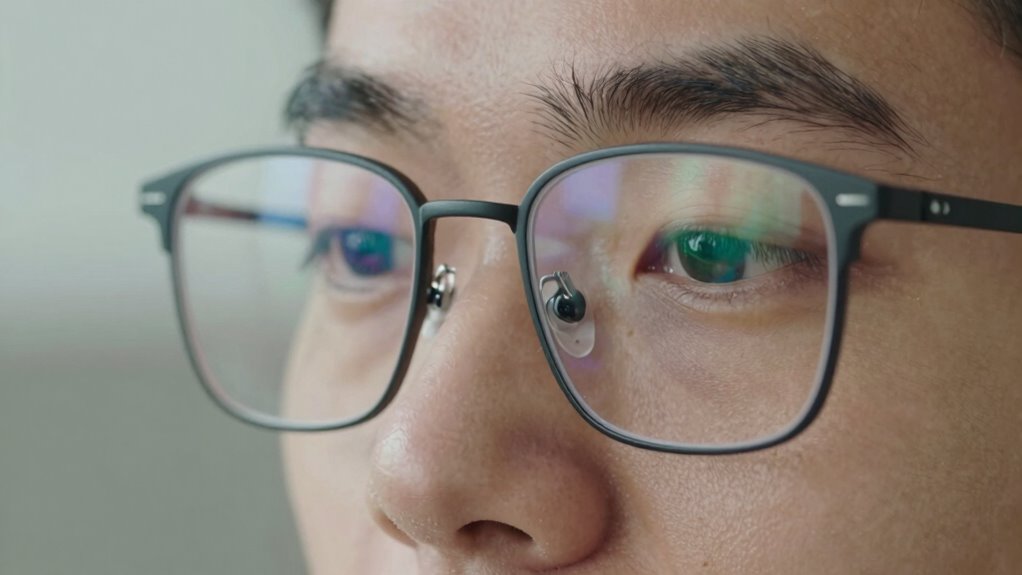

Smart glasses with cameras raise serious privacy questions because they allow you to record, stream, and analyze your surroundings discreetly. This can happen without the people near you even realizing they’re being watched, infringing on their privacy and consent. Real-time facial recognition and data collection heighten concerns about misuse, surveillance, and data security. If you want to understand the potential risks and how to protect yourself, there’s more to reflect on as you go further.
Get ready for Prime Big Deal Days — try Prime free
Exclusive member deals on October 6–7, plus fast free delivery. Cancel anytime.
As an affiliate, we earn on qualifying purchases.
Key Takeaways
- Smart glasses with cameras can record and stream footage discreetly, raising concerns about unauthorized surveillance.
- They may capture sensitive personal or third-party data without explicit consent.
- Facial recognition features can identify individuals in real-time, risking privacy violations.
- Lack of transparency about data collection and storage practices creates trust issues.
- Potential hacking vulnerabilities expose recorded footage and personal information to misuse.
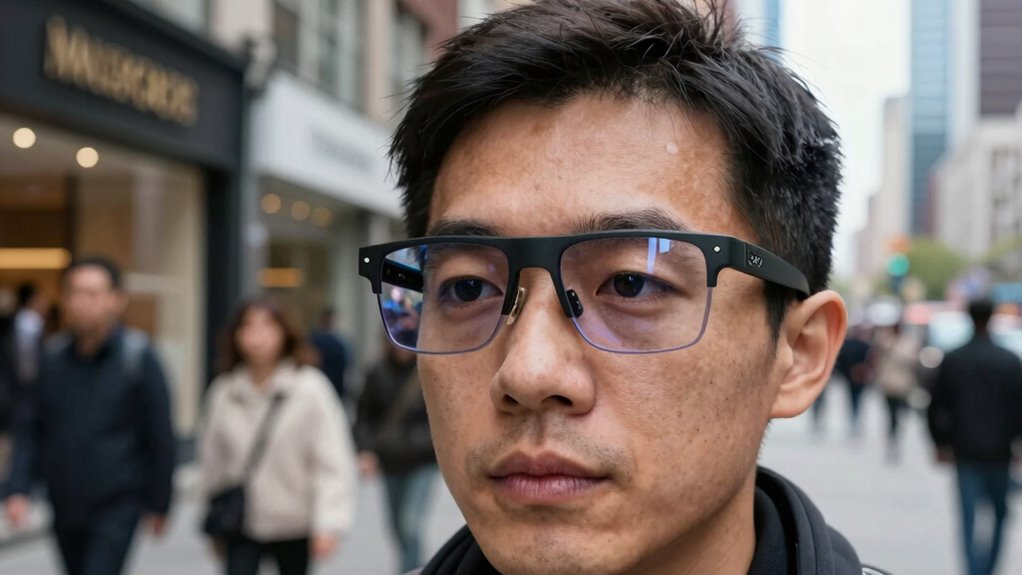
As smart glasses with cameras become more popular, concerns about privacy are increasingly unavoidable. These devices, designed to record, stream, and analyze your surroundings, blur the lines between convenience and intrusion. When you wear them in public or private spaces, you might not realize that your image, voice, or even sensitive information could be captured without your explicit consent. The widespread use of facial recognition technology with these glasses heightens the risk of personal data misuse. Facial recognition can identify people in real-time, raising questions about how this data is stored and who has access to it. If this information falls into the wrong hands, it could lead to stalking, identity theft, or unwarranted surveillance.
Smart glasses with cameras raise privacy concerns due to potential unauthorized recording and facial recognition misuse.
One of the main privacy concerns stems from the way data is handled. Manufacturers often claim to use data encryption to protect user information, but the effectiveness of these measures varies. Data encryption is meant to scramble data during transmission and storage, making it unreadable to unauthorized parties. However, if security protocols are weak or poorly implemented, hackers might exploit vulnerabilities to access sensitive recordings or personal details. As a user, you need to be aware of whether the device employs strong encryption standards and how well the manufacturer safeguards your data. Additionally, the rapid advancement of facial recognition technology emphasizes the importance of understanding how your data is being used and protected. A lack of transparency from manufacturers can further complicate privacy concerns, as users often have limited insight into how their data is managed.
Beyond technical issues, there’s also the question of consent. In many cases, smart glasses record videos or capture images of people who haven’t given permission. This raises ethical concerns about privacy rights and the expectation of anonymity in public spaces. You might be comfortable recording in private, but in public, the presence of cameras with facial recognition capabilities can infringe on others’ privacy. People often don’t realize they’re being recorded or analyzed, which can lead to discomfort and a sense of constant surveillance. The potential for misuse of this data by third parties underscores the need for stricter privacy regulations to protect individuals’ rights.
Furthermore, the speed of data collection and processing can outpace regulations designed to protect individual privacy. Laws often lag behind technology, leaving users vulnerable to misuse or abuse of their data. If your smart glasses store or transmit data without proper safeguards, your personal information could be exploited or shared without your knowledge. It’s essential to understand the privacy policies and security features of these devices before you start using them extensively. As technology advances, the security of stored data becomes increasingly critical to prevent unauthorized access and protect user rights.
smart glasses with camera privacy protection
As an affiliate, we earn on qualifying purchases.
As an affiliate, we earn on qualifying purchases.
Frequently Asked Questions
Are There Legal Restrictions on Recording With Smart Glasses in Public?
Yes, there are legal restrictions on recording with smart glasses in public. You need to be aware of public surveillance laws and privacy rights, especially regarding facial recognition features. Many jurisdictions prohibit recording without consent, particularly in private settings or where people expect privacy. Using smart glasses with cameras responsibly means understanding local laws, avoiding recording in sensitive areas, and respecting individuals’ privacy rights to prevent legal issues.
How Do Smart Glasses With Cameras Impact Workplace Privacy Policies?
Smart glasses with cameras can greatly impact your workplace privacy policies. You might think they’re just tools for efficiency, but they also enable ongoing workplace surveillance, raising concerns about employee privacy. Employers need clear guidelines to balance safety and privacy rights. If not managed carefully, these devices could lead to distrust or legal issues, making it essential to establish policies that respect personal boundaries while leveraging smart glasses’ benefits.
Can Smart Glasses Be Hacked to Access Personal Data?
Yes, smart glasses can be hacked to access personal data if security measures aren’t in place. Hackers might exploit vulnerabilities in the device or network. You can protect yourself by ensuring data encryption is enabled and keeping software updated. Staying aware of potential threats and practicing good digital hygiene helps prevent unauthorized access. User awareness about security risks is essential to safeguarding your personal information when using smart glasses.
What Measures Are in Place to Prevent Unauthorized Recording?
Imagine a fortress guarding your privacy—smart glasses with cameras deploy measures like user consent prompts and data encryption to prevent unauthorized recording. When you activate the device, you’re prompted to give explicit permission, and your data is encrypted to keep it protected. These measures guarantee that recordings happen only with your approval, creating a digital shield that balances innovation with respect for your privacy.
How Do Smart Glasses With Cameras Affect Bystander Rights?
Smart glasses with cameras impact bystander rights by potentially capturing images or videos without consent, raising privacy concerns. You might unknowingly be subject to facial recognition, which can identify you without permission. Data encryption helps protect recorded data from misuse, but the risk remains if bystanders aren’t aware of or haven’t consented to being recorded. This can lead to discomfort, and in some cases, legal issues surrounding privacy violations.
Conclusion
If smart glasses with cameras become the norm, privacy could vanish overnight, turning everyone into unwitting stars on a never-ending reality show. Imagine a world where no secret remains hidden, where your every move is recorded and broadcasted without consent. It’s not just a concern—it’s an invasion so massive, it could dismantle the very fabric of personal privacy as you know it. Brace yourself, because this technological invasion might just be the end of true privacy itself!
Fall Picks
fall essentials
As an affiliate, we earn on qualifying purchases.