
TL;DR
Clawdmeter is an open-source hardware project that visualizes Claude Code usage stats on a tiny, animated desktop device. It offers a fun, nostalgic way for AI users to monitor their token consumption in real time. The project has gained rapid community interest since its launch.
Hermann Haraldsson, a software developer from Reykjavik, Iceland, has released Clawdmeter, an open-source hardware device that displays Claude Code usage statistics on a tiny, animated screen. The project aims to provide AI power users with a fun, visual way to track their token consumption in real time, highlighting the growing trend of tokenmaxxing among developers and AI enthusiasts.
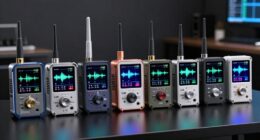
Clawdmeter is built using a lithium-ion battery-powered Waveshare ESP32-S3-Touch-AMOLED-2.16 display, which connects via Bluetooth to a user’s laptop. When activated, the device shows pixel-art animations of a character called Clawd, which become more animated as usage increases. Users can cycle through different animations and view their session and weekly Claude utilization data through simple on-screen charts, all controlled by physical buttons.
The device retrieves usage data by reading the user’s Claude OAuth token and making API calls to pull usage statistics directly from response headers. Haraldsson emphasized that the project is open source, allowing others to fork and customize the hardware and software features, including animations and screens. Since its release on GitHub, the project has gained over 800 stars and 50 forks, indicating strong community interest.
Why It Matters
This development underscores the increasing integration of physical hardware with AI workflows, blending nostalgia with modern tech. It also reflects the rising popularity of tokenmaxxing as a productivity and status trend within developer communities, particularly among AI power users. The open-source nature of Clawdmeter encourages community-driven customization and experimentation, potentially influencing future developer tools and hardware projects.
Waveshare ESP32-S3 1.75inch AMOLED Round Touch Display Development Board, 32-bit LX7 Dual-core, 466×466, QSPI, Dual Digital Microphones Array, ESP32 with Display, with GPS
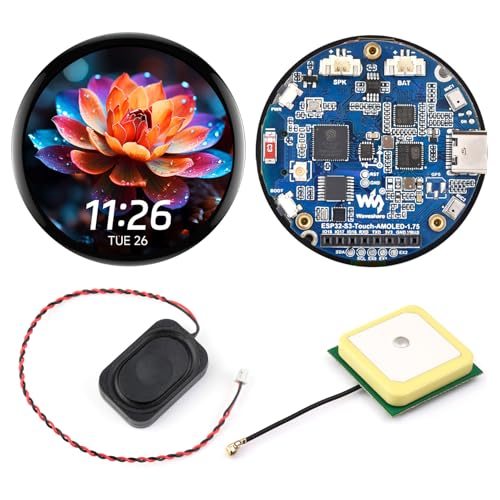
High-performance ESP32-S3 development board with a 1.75-inch AMOLED touch display, dual-core processor, and versatile connectivity options.
As an affiliate, we earn on qualifying purchases.
As an affiliate, we earn on qualifying purchases.
Background
Since the rise of AI models like Claude, users have sought ways to monitor and maximize their token usage, leading to the emergence of various tracking tools. Haraldsson’s project taps into this trend by offering a tangible, playful device that visualizes data typically accessed through software interfaces. The project’s popularity mirrors broader interest in combining hardware and AI, as well as nostalgia for dedicated gadgets of the past, like iPods or Tamagotchis, which now finds a new expression in AI usage tracking.
“It’s really democratized access to programming, so that anyone can now do what developers used to do. I think that’s really positive, actually.”
— Hermann Haraldsson
“There’s a kind of nostalgia for when you used to have a hardware device for everything — like a Walkman or an iPod.”
— Haraldsson
“At this point, Anthropic should just mail these to us for free.”
— Reddit user
What Remains Unclear
It remains unclear how widely Clawdmeter will be adopted beyond early enthusiasts or how it might evolve with community contributions. The security implications of reading OAuth tokens directly on the device are also not yet fully addressed, and future updates or official support are unconfirmed.
What’s Next
Haraldsson and the community are likely to continue developing the project, adding features, custom animations, and integrations. Future milestones may include official tutorials, expanded hardware options, or potential collaborations with AI platform providers. Monitoring community forks and feedback will be key to understanding its long-term impact.
Key Questions
Is Clawdmeter officially supported or endorsed?
No, Clawdmeter is an open-source community project created by Haraldsson; it has no official endorsement from AI providers like Anthropic.
Can I customize or add features to Clawdmeter?
Yes, since it is open source, anyone can fork the project to modify hardware designs, animations, or software features according to their interests.
Does using Clawdmeter pose security risks?
Potential risks include reading OAuth tokens directly on the device. Users should be cautious and understand the security implications of exposing tokens to hardware devices.
What hardware do I need to build my own Clawdmeter?
You will need a Bluetooth-compatible small display like the Waveshare ESP32-S3-Touch-AMOLED-2.16, along with basic electronics and programming knowledge.
Will Clawdmeter work with other AI platforms besides Claude?
Currently, it is designed specifically for Claude Code usage, but the open-source code could potentially be adapted for other APIs with similar data access methods.