
TL;DR

Get privacy and security gear delivered free — and shop member deals
- Fast, free delivery on millions of items
- Access to Prime Big Deal Days deals on October 6–7
- Prime Video, Amazon Music and more included
Wärtsilä has demonstrated the world’s first large-scale engine running exclusively on 100% hydrogen, supplying electricity to Spain’s grid. This marks a significant step toward green, flexible power generation.
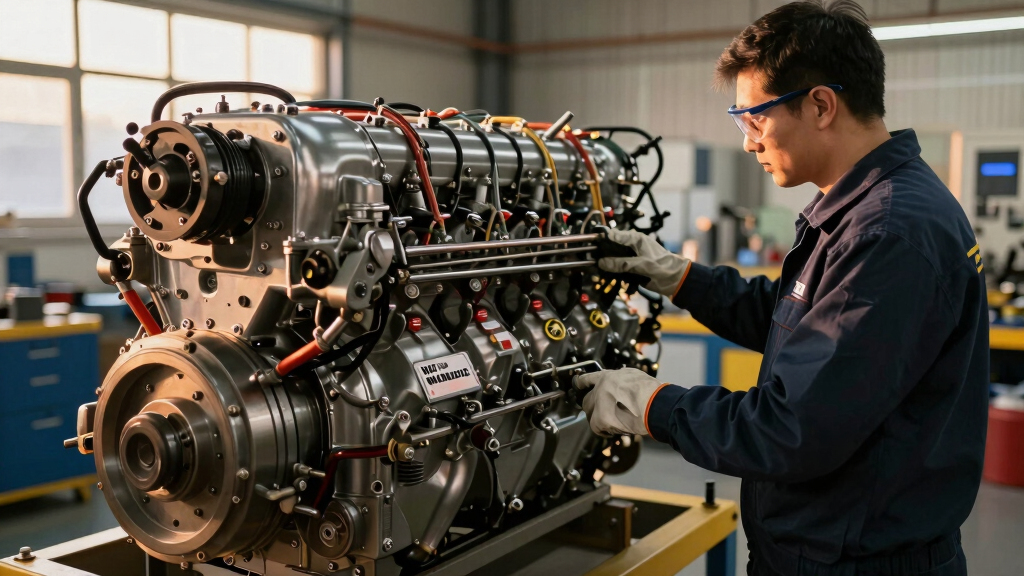
Wärtsilä has successfully operated the world’s first large-scale engine running entirely on 100% hydrogen, supplying electricity directly to Spain’s national grid in Bermeo. This demonstration confirms that hydrogen-fueled power generation can operate under real grid conditions without blending or additional modifications, representing a significant advancement in renewable energy technology.
The engine used in the trial is Wärtsilä’s 31H2, part of the Wärtsilä 31 platform, and is currently undergoing performance validation at the Bermeo site. According to Wärtsilä, the engine’s operation on pure hydrogen marks a step beyond hydrogen-ready systems, which typically rely on blends or supplementary fuels. The trial aims to showcase the potential for flexible, dispatchable power generation that can help balance the increasing share of wind and solar energy on the grid.
Rasmus Teir, Director of Technology Strategy & Decarbonisation at Wärtsilä, stated, “Today, our Wärtsilä 31H2 hydrogen engine is operating on 100% hydrogen and supplying power to Spain’s national grid.” The demonstration supports the case for green hydrogen’s role in long-duration energy storage and grid stability, especially during periods of low renewable output. Wärtsilä emphasizes that the engine platform could also serve industrial sectors such as data centers and off-grid applications in the future.
Implications for Renewable Power and Decarbonization
This development demonstrates that large-scale hydrogen engines can operate reliably on 100% hydrogen, opening pathways for renewable energy integration and decarbonization of power generation. It provides a proof of concept for flexible, dispatchable power sources that can complement intermittent wind and solar energy, potentially reducing reliance on fossil fuels and supporting grid stability.
For energy consumers and policymakers, the success of this demonstration underscores the viability of green hydrogen as a clean fuel for large-scale power plants, which could accelerate investments in hydrogen infrastructure and renewable energy projects worldwide.
hydrogen fuel cell power generator
As an affiliate, we earn on qualifying purchases.
As an affiliate, we earn on qualifying purchases.
Progress in Hydrogen and Renewable Energy in Spain
The Bermeo trial builds on prior work with hydrogen-ready engines, which are designed to operate on blends of hydrogen and natural gas. Spain has been actively expanding its renewable energy capacity and reducing fossil fuel imports, making it a strategic location for testing hydrogen-based solutions. The demonstration aligns with Spain’s broader goals to decarbonize the energy sector and develop hydrogen infrastructure as part of its climate commitments.
Wärtsilä’s achievement follows global efforts to develop hydrogen-fueled power systems, with other projects exploring hydrogen storage, industrial applications, and fuel production. The company has previously indicated that its engine platform could serve various sectors, including industrial and off-grid power, once proven at scale.
“This trial confirms that hydrogen can be used directly in large-scale engines, paving the way for more flexible, renewable-powered grids.”
— an anonymous researcher
Remaining Questions About Long-Term Performance
It is not yet clear how the engine will perform over extended periods or under varying load conditions. Further testing is needed to assess durability, maintenance requirements, and economic viability at commercial scale. Additionally, the availability and cost of green hydrogen in different regions could influence widespread adoption.
Next Steps for Commercial Deployment and Scaling
Wärtsilä plans to continue performance validation of the 100% hydrogen engine and explore integration with other renewable sources. The company may also seek commercial projects to demonstrate large-scale deployment. Meanwhile, development of hydrogen infrastructure and supply chains will be critical to scaling this technology globally.
Key Questions
What makes this hydrogen engine different from previous systems?
This engine operates exclusively on 100% hydrogen, unlike earlier models that used hydrogen blends or required modifications, demonstrating full hydrogen compatibility at a large scale.
How does this development impact renewable energy integration?
It provides a flexible, dispatchable power source that can help balance intermittent wind and solar power, supporting a more stable and decarbonized grid.
Is this technology ready for commercial use?
While promising, further testing is needed to confirm long-term durability and economic feasibility before widespread commercial deployment.
What role will green hydrogen play in future energy systems?
Green hydrogen could serve as a key energy carrier for decarbonization, long-duration storage, and industrial applications, especially if infrastructure and costs improve.
Source: PV Magazine
Fall Picks
fall essentials
As an affiliate, we earn on qualifying purchases.