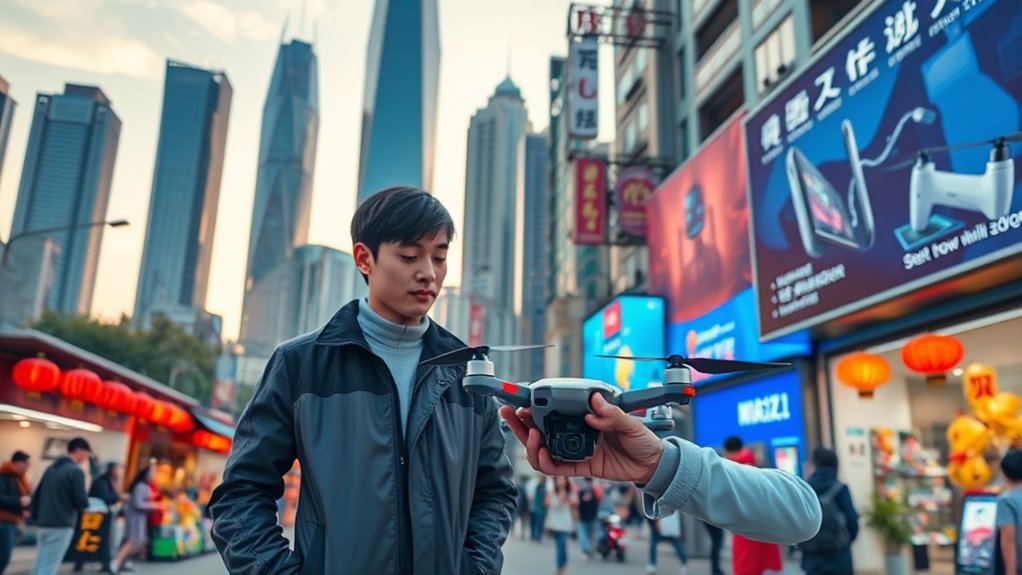

Since 1978, China’s tech rise has transformed it from a copycat economy into a global innovation leader. Through strategic government policies, investments in infrastructure, and support for tech giants like Alibaba and Huawei, China built a strong digital ecosystem. Focused on fostering innovation and reducing foreign dependency, these efforts continue to shape its future. If you keep exploring, you’ll discover how China’s internal strategies and global ambitions are shaping its path forward.
Key Takeaways
- China shifted from imitation to innovation through government policies supporting R&D and startup ecosystems since late 20th century.
- Strategic infrastructure investments in internet, telecoms, and data centers enabled rapid digital transformation.
- Emergence of tech giants like Huawei, Tencent, and Alibaba exemplifies successful domestically driven innovation.
- Policies fostered innovation hubs, collaboration, and adaptation to emerging technologies like AI and 5G.
- Continued strategic focus aims to build self-reliant, globally competitive technology ecosystem.

China’s technology sector has experienced rapid growth, transforming it into a global powerhouse. This remarkable progress didn’t happen by chance; it’s the result of deliberate government policy and strategic investments in technological infrastructure. From the late 20th century onward, the Chinese government recognized the importance of fostering a robust tech industry, setting the stage for long-term innovation and competitiveness. Through policies that prioritized science and technology development, China began to shift from a manufacturing-based economy to a hub for cutting-edge innovation.
The government played a pivotal role by implementing policies that encouraged research and development, supported startups, and attracted foreign investment. These policies created a favorable environment for tech companies to thrive, innovate, and scale. Infrastructure investments were equally critical. You can see this in the rapid expansion of internet connectivity, telecommunications networks, and data centers. The government’s focus on building a solid technological infrastructure laid the foundation for digital transformation across the country. This infrastructure isn’t just about connectivity; it’s about creating a digital ecosystem where companies have the tools and resources they need to innovate quickly.
As you look at China’s rise, you’ll notice how these policies and infrastructure investments translated into tangible results. Major tech giants like Huawei, Tencent, and Alibaba emerged from this environment, revolutionizing sectors such as e-commerce, social media, and telecommunications. The government’s approach wasn’t just about supporting existing companies but also about nurturing innovation hubs like Shenzhen, which became known as China’s Silicon Valley. Here, startups and established firms collaborate, experiment, and push the boundaries of technology.
Your understanding of China’s tech rise should include how government policy continues to adapt to new challenges, such as advancing artificial intelligence or developing 5G networks. The focus remains on strengthening technological infrastructure to support these advancements, ensuring China maintains its competitive edge. The government’s strategic vision emphasizes a self-reliant technology ecosystem, reducing dependence on foreign technology and fostering innovation at home. Additionally, ongoing investments in research and development are crucial for maintaining technological leadership and fostering homegrown innovation.
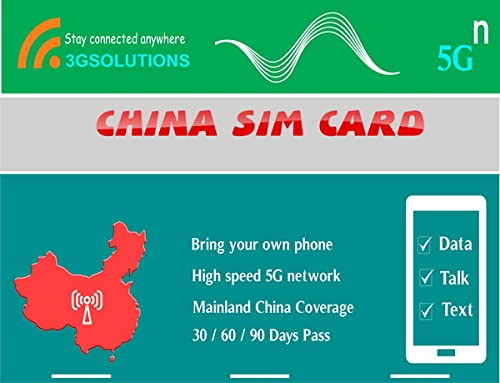
China Unicom Sim Card 5G Network 20GB Data, 300 Minutes Talk Plus 300 Texts
- Coverage Area: Mainland China only
- Data & Calls: 20GB data, 300 mins talk, 300 texts
- Validity Period: 30 days, extendable
As an affiliate, we earn on qualifying purchases.
As an affiliate, we earn on qualifying purchases.
Frequently Asked Questions
How Has Chinese Tech Policy Evolved Since 1978?
Since 1978, you’ve seen Chinese tech policy evolve considerably through state-led initiatives that promote innovation and infrastructure. The government has strengthened protections for intellectual property while encouraging domestic companies to compete globally. Policies now focus on fostering research, supporting startups, and reducing reliance on foreign tech. This strategic shift has transformed China into a major player in global technology, emphasizing innovation, intellectual property rights, and state support to drive growth.
What Role Do Government Subsidies Play in China’S Tech Growth?
Imagine a fertile field where seeds of innovation are planted. That’s what government subsidies do in China’s tech landscape. You see, state subsidies fuel growth by providing essential resources and reducing risks, acting as innovation incentives. They nurture startups and established giants alike, helping them blossom faster. These financial boosts turn ambitious ideas into tangible innovations, transforming the tech scene into a vibrant, unstoppable force driven by strategic support rather than mere chance.
How Does China’S Tech Sector Compare Globally Today?
You see that China’s tech sector now rivals global leaders, achieving significant market dominance in areas like AI and e-commerce. You recognize that innovation metrics, such as patent filings and R&D investments, reflect rapid growth and increasing sophistication. While challenges remain, China’s tech industry continues to expand its influence, making it a key player on the world stage, driven by strategic government support and a focus on technological advancement.
What Are China’s Main Challenges in Sustaining Innovation?
While steering the path of continuous innovation, you face subtle hurdles like safeguarding intellectual property and managing market saturation. Protecting ideas remains delicate, and intense competition can slow new breakthroughs. To sustain innovation, you need to foster a more robust intellectual property environment and diversify markets. Overcoming these challenges will help maintain your competitive edge and guarantee your tech sector continues to evolve dynamically on the global stage.
How Has Chinese Consumer Behavior Influenced Tech Development?
You see that urban consumption and digital habits heavily shape Chinese tech development. As you adopt new digital behaviors, tech companies innovate to meet your needs, driving more personalized apps, mobile payments, and smart city solutions. Your preference for convenience and connectivity pushes brands to continuously upgrade technology, ensuring products align with your evolving digital lifestyle. This dynamic fuels rapid innovation and positions China as a global tech leader.

LAFVIN ESP32S3 AI Chatbot Kit, ESP32-S3 Voice Assistant with Dual AI Platforms, 2 inch TFT Display, Wi-Fi & BLE 5.0 for IoT & AI Learning
- Powerful Dual-Core Processor: Xtensa 32-bit LX7 dual-core with ample memory
- Dual AI Voice Platforms: Deepseek & OpenAI compatible for smart voice
- Real-Time Wake-Up & Interrupt: Supports wake-up and real-time voice interruption
As an affiliate, we earn on qualifying purchases.
As an affiliate, we earn on qualifying purchases.
Conclusion
You’ve seen China’s remarkable rise from copying concepts to creating cutting-edge innovations. This transformation showcases the power of persistence, passion, and progress. As you witness this technological transformation, remember that determination drives development, and daring ideas define dominance. China’s journey from copycat to global innovator proves that perseverance and boldness propel progress. Stay inspired by this story of steady strides, strategic shifts, and unstoppable success—showing that with effort, everyone can elevate their ambitions beyond boundaries.

6COMGIGA 40GBASE-LR4 QSFP+ 1310nm 10km DDM SMF Transceiver, 40 Gigabit QSFP+ Single-Mode Module Compatible with Cisco 40GBASE-LR4, 4 CWDM Lanes
- Type: 40GBASE-LR4 QSFP+ transceiver
- Wavelength: 1310nm single-mode
- Transmission Distance: Up to 10km
As an affiliate, we earn on qualifying purchases.
As an affiliate, we earn on qualifying purchases.

The New Tech Titans of China: Innovation Under Pressure in the World's Most Ambitious Economy
As an affiliate, we earn on qualifying purchases.
As an affiliate, we earn on qualifying purchases.