
During the Cold War, the U.S. recognized the need for a secretive agency to handle foreign communications. This led to the creation of the NSA, tasked with intercepting, decoding, and analyzing signals to protect national security amid rising tensions. The agency evolved quickly, developing advanced cryptographic techniques and surveillance methods. Its growth reflected a relentless push for technological superiority. If you continue exploring, you’ll discover more about how this clandestine organization shaped modern intelligence efforts.
Key Takeaways
- The NSA was established during the Cold War to address escalating tensions and the need for a dedicated national security intelligence agency.
- Its creation responded to the increasing importance of intercepting and decoding foreign communications amid geopolitical rivalry.
- The agency’s secretive origins aimed to enhance U.S. cryptographic capabilities and counter Soviet espionage efforts.
- Cold War innovations in cryptography and signals intelligence fueled NSA’s development as a technological powerhouse.
- The NSA’s birth marked a shift toward high-tech espionage, emphasizing electronic surveillance and secure communication amidst Cold War conflicts.
During the tense years of the Cold War, the United States recognized the need for a dedicated intelligence agency to gather and analyze information related to national security. This realization led to the birth of the NSA, a secretive organization tasked with intercepting and decoding foreign communications. As tensions escalated between superpowers, the importance of secure and efficient intelligence gathering became clear. You see, the evolution of cryptography played a *vital* role in shaping the agency’s mission. In the early days, cryptography was mostly manual, relying on simple ciphers and codes, but as technology advanced, so did the complexity of encryption methods. The Cold War pushed cryptography into a new era, demanding more sophisticated techniques to protect sensitive information from adversaries. This necessity drove the NSA to develop and refine cryptographic algorithms that could withstand even the most advanced decryption efforts by foreign governments.
At the same time, espionage tactics grew increasingly complex. You might think spying was just about sneaking around and eavesdropping, but it evolved into a high-stakes game of deception, counterintelligence, and technological warfare. The NSA became a hub for developing and deploying cutting-edge espionage methods, including signal interception, code-breaking, and covert communications. Its role wasn’t just passive listening; it involved actively disrupting enemy plans and safeguarding U.S. interests through a constant arms race of intelligence. As the Cold War intensified, the agency’s capabilities expanded to include satellite surveillance, electronic eavesdropping, and cyber operations—techniques that were unthinkable just a few decades earlier.
You might be surprised to learn how deeply intertwined cryptography and espionage tactics became during this era. The NSA’s success depended on staying ahead of foreign adversaries’ cryptographic innovations, which meant constantly updating and inventing new encryption standards. The agency’s focus on cryptography evolution was driven by the need to protect national secrets and to decode encrypted messages from enemies. These efforts created a continuous cycle of innovation in secure communication, making espionage more effective and dangerous. The NSA’s birth was a direct response to the Cold War’s unpredictable threats, and its evolution reflects a relentless pursuit of technological superiority. Today, you see the legacy of those early days in the sophisticated cybersecurity and intelligence operations that continue to shape national security strategies worldwide.
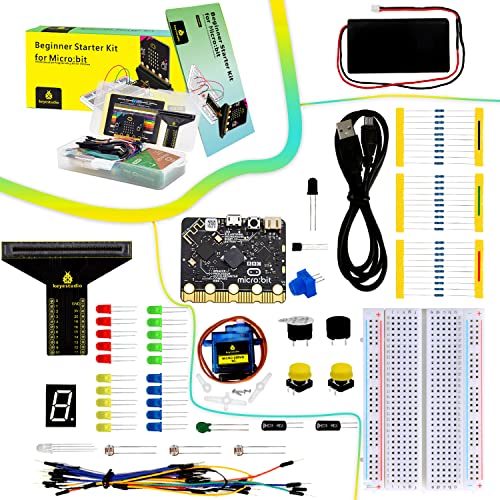
KEYESTUDIO Microbit Basic Starter Kit for BBC Micro:bit V2 Accessories STEM Kit Coding for Beginners (Micro:bit V2.21 Included)
- Includes Microbit V2.21 Controller: Built-in BLE, accelerometer, compass, buttons, LED matrix
- Comprehensive Starter Kit: Resistors, LEDs, sensors, display, for 18+ projects
- Detailed Tutorials Provided: Guides on wiring, coding, installation, and projects
As an affiliate, we earn on qualifying purchases.
As an affiliate, we earn on qualifying purchases.
Frequently Asked Questions
How Did Technological Advances Influence Nsa’s Early Development?
Technological advances, like cryptographic breakthroughs and signal interception, played a pivotal role in shaping the NSA’s early development. You leverage these innovations to decode enemy communications and gather intelligence more effectively. As new encryption methods emerge, you adapt by developing sophisticated decryption techniques. These technological strides enable you to stay ahead in the secret Cold War battles, ensuring your agency can intercept and analyze signals with unprecedented precision and security.
What Were the Biggest Challenges Faced During Nsa’s Formation?
You faced significant hurdles during NSA’s formation, especially with cryptographic challenges and bureaucratic hurdles. You had to develop top-secret codes while steering through complex government structures that resisted change. Balancing secrecy with coordination proved tough, as you aimed to create a unified intelligence effort. These obstacles slowed progress but also fueled innovation, ultimately shaping the agency’s covert capabilities and strategic importance in Cold War espionage.
Who Were the Key Figures Behind the Nsa’s Creation?
You should know that espionage pioneers like William Friedman and intelligence architects such as Herbert Yardley played essential roles in creating the NSA. Friedman’s cryptography expertise and Yardley’s groundbreaking work in signals intelligence laid foundational elements. These key figures collaborated with government officials to establish an agency capable of intercepting and decoding enemy communications, ensuring national security during the Cold War. Their combined efforts made the NSA a critical intelligence powerhouse.
How Did International Spies React to the Nsa’s Establishment?
You’d find that international spies initially viewed the NSA’s establishment with suspicion and caution. Many saw it as a threat to existing spy alliances, prompting covert reactions like increased counterintelligence efforts and clandestine communication shifts. Some spies even tried to sabotage NSA operations or tighten their own security measures. Overall, the NSA’s creation reshaped the clandestine landscape, prompting a mix of strategic adaptations and secretive responses among global intelligence communities.
What Secret Operations Were Undertaken in Nsa’s Initial Years?
You might think the NSA’s secret operations were limited, but in its early years, it undertook daring covert surveillance missions and achieved cryptography breakthroughs that kept enemies guessing. These clandestine activities aimed to intercept communications and decode foreign messages, giving the U.S. a strategic edge. Despite the secrecy, these operations laid the groundwork for modern intelligence techniques, solidifying the NSA’s role as a essential Cold War intelligence hub.

The Signals Intelligence Bible: Guerrilla Secrets to Intercept and Decode Threatening Communications | Prevent Crises, Attacks, and Emergencies Before It's Too Late
As an affiliate, we earn on qualifying purchases.
As an affiliate, we earn on qualifying purchases.
Conclusion
As you watch the NSA rise like a silent lighthouse in the fog, its beam piercing the darkness of the Cold War, you realize it’s a guardian lurking in shadows, unseen but ever-present. Like a watchful lighthouse keeper, it stands guard over the nation’s secrets, guiding and protecting without revealing itself. In this quiet vigil, you see how the birth of the NSA shapes the unseen currents of history, forever shaping the landscape of intelligence and security.

Kali Linux Bootable USB for Ethical Hacking & Cybersecurity
- Dual USB Compatibility: Supports USB-A and USB-C on most devices
- Flexible Boot Options: Run live or install Kali for full performance
- Multi-Architecture Support: Compatible with amd64 and arm64 systems
As an affiliate, we earn on qualifying purchases.
As an affiliate, we earn on qualifying purchases.

Horolam MIB Agent Costume Accessories, Secret Service Costume Set Spy Costume Accessories for Men Women Kids for Cosplay (Agent)
- Complete Spy Costume Set: Includes sunglasses, ID, earpiece, and accessories
- High-Quality Materials: Waterproof ID, foldable sunglasses, durable earpiece
- Adjustable and Portable: Zip tie adjustable, foldable sunglasses for easy carry
As an affiliate, we earn on qualifying purchases.
As an affiliate, we earn on qualifying purchases.