
TL;DR
Open Vehicles has released OVMS, an open source system that allows EV owners to remotely monitor and control their vehicles. The platform offers real-time data, alerts, and control features, with extensive customization options. This development could significantly impact EV management and aftermarket customization.
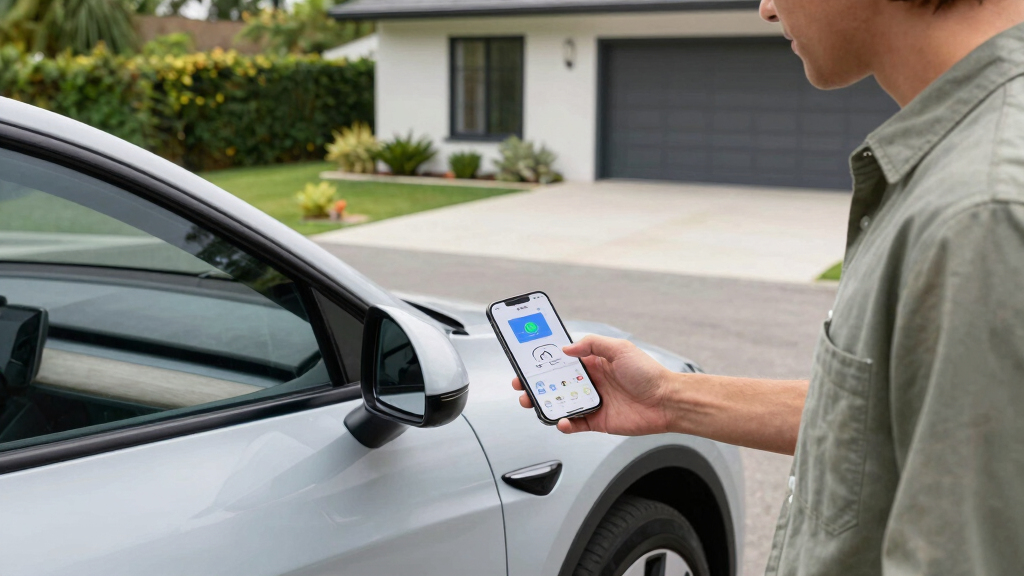
Open Vehicles has launched OVMS, an open source platform that enables electric vehicle owners to remotely monitor, diagnose, and control their vehicles via smartphone apps and integration with home automation systems. This development offers a customizable, data-rich interface for EV management, with potential implications for vehicle owners, aftermarket developers, and the EV industry.
OVMS provides live monitoring of key vehicle metrics such as state of charge, temperatures, tyre pressures, and diagnostic fault conditions. It offers push notifications for critical events like charge aborts, battery cell failures, or potential theft, enhancing vehicle security and maintenance. The platform supports control over charging, climate settings, and tuning parameters, depending on vehicle integration, and includes scripting capabilities to interface with external charge control systems.
The system features a built-in web app, native mobile apps for Android and iOS, and integration with home automation via MQTT. It also supports data logging to SD cards and remote servers, and provides advanced tools such as CAN bus analysis, a configurable OBD2 translator, and reverse engineering tools. The module allows SSH access, WebSocket streaming, and CAN frame injection over TCP, offering extensive customization and control for technically inclined users.
Why It Matters
This development matters because it empowers EV owners and enthusiasts to customize and enhance their vehicle management systems beyond manufacturer offerings. The open source nature of OVMS promotes transparency, security, and community-driven innovation, potentially influencing aftermarket EV telematics and diagnostics. Additionally, the integration with home automation and scripting opens new possibilities for personalized vehicle control and data analysis, which could impact industry standards and user experience.
40A Level 2 EV Charging Station,J1772 9.6kW RFID 25ft WiFi App

Fast, reliable Level 2 EV charger with WiFi app control and RFID security, compatible with most J1772 vehicles, delivering up to 9.6kW power for efficient home charging.
As an affiliate, we earn on qualifying purchases.
As an affiliate, we earn on qualifying purchases.
Background
OVMS is part of a broader trend toward open source solutions in the automotive sector, particularly for electric vehicles. The platform builds on existing telematics and OBD2 diagnostics but distinguishes itself through extensive customization, scripting, and integration capabilities. Prior to this release, most EV telematics systems were proprietary, limiting user control and data privacy. The open source approach aims to fill this gap by providing accessible, configurable tools for a growing community of EV owners and developers.
“OVMS is designed to give EV owners complete control over their vehicle data and functions, with the flexibility to tailor the system to their needs.”
— Open Vehicles team
“Open source telematics like OVMS could accelerate innovation in EV aftermarket solutions and improve vehicle security and diagnostics.”
— Industry analyst
What Remains Unclear
It is not yet clear how widely OVMS will be adopted, especially by mainstream manufacturers or in commercial EVs. The extent of vehicle compatibility and the security implications of open source access are still being evaluated. Details about official support or integration with specific vehicle models remain to be confirmed.
What’s Next
Next steps include expanding vehicle compatibility, developing additional features, and fostering a community of developers and users. Monitoring how manufacturers and aftermarket providers respond to this open platform will be critical. Future updates may include more automation integrations and enhanced security measures.
Key Questions
Can I install OVMS on any electric vehicle?
OVMS is designed to be compatible with a range of EVs that support CAN bus diagnostics, but full functionality depends on vehicle-specific integration. Compatibility details are still being expanded.
Is OVMS secure for vehicle control?
While OVMS offers extensive control features, security depends on proper configuration. As an open source platform, it requires users to implement security best practices to prevent unauthorized access.
Will using OVMS void my vehicle’s warranty?
This depends on the vehicle manufacturer and local regulations. Users should consult their warranty terms and consider potential risks before installing third-party systems.
Is OVMS suitable for non-technical users?
While the platform offers advanced features, some setup and customization require technical knowledge. Simplified interfaces are available via mobile apps for basic monitoring and control.