
TL;DR

Get privacy and security gear delivered free — and shop member deals
- Fast, free delivery on millions of items
- Access to Prime Big Deal Days deals on October 6–7
- Prime Video, Amazon Music and more included
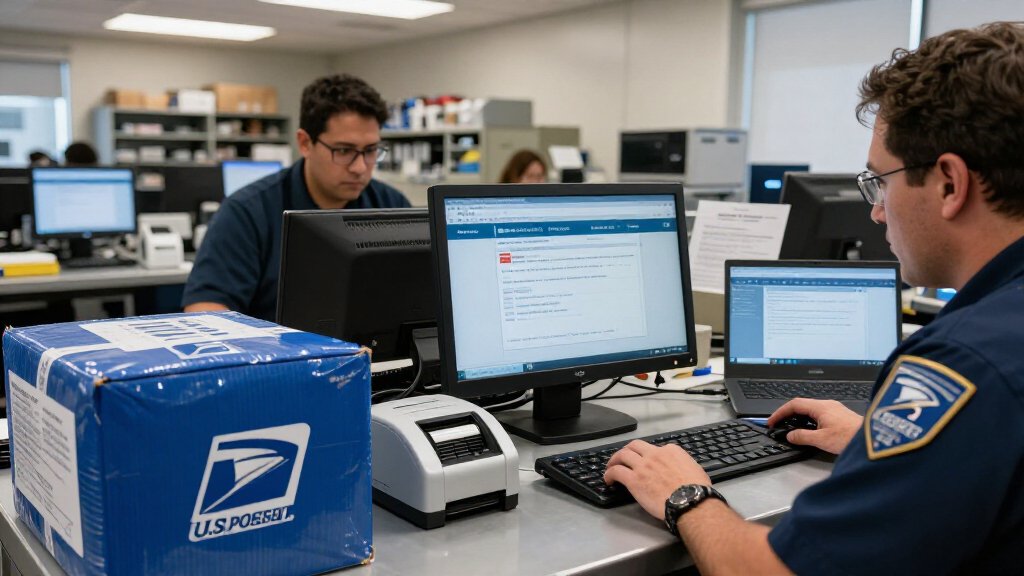
The U.S. Postal Inspection Service and partner agencies seized LabelsBank.com under a court order after federal prosecutors charged Faheem Akram with allegedly selling counterfeit USPS postage labels. The indictment alleges more than 5.1 million labels were sold and more than $126 million in losses resulted; the charges have not been proven in court.
U.S. postal inspectors and partner federal agencies seized the LabelsBank.com domain after prosecutors charged its alleged operator, Faheem Akram, with running a website that sold counterfeit U.S. Postal Service postage. The indictment alleges the site sold more than 5.1 million labels and caused more than $126 million in losses; those figures are allegations, and Akram is presumed innocent unless proven guilty.
Court records cited in the September 26 report identify Akram as a 33-year-old Pakistani national from Khanewal, Pakistan. Prosecutors allege he operated LabelsBank.com, which was not authorized to sell USPS products or services. According to the indictment, the site typically charged $2 per label, regardless of a package’s weight, size or destination.
Postal inspectors in the agency’s Miami Division found that more than 5,000 customers used the website to buy the labels, the report said. The counterfeit postage allegedly let customers ship packages at discounted prices, leaving USPS without the full payment for the shipping services provided. The cited report does not describe how investigators calculated the alleged loss total.
Akram faces one count of conspiracy to defraud the United States and make and sell counterfeit postage stamps, five counts of making and selling counterfeit postage stamp labels, and four counts of wire fraud. A court order authorized the domain seizure and website shutdown in conjunction with the indictment. The charges are accusations; the source material does not report a plea or outcome in the case.
The Alleged Cost to USPS
The case concerns the collection of postage for packages that, according to prosecutors, moved through the mail using counterfeit labels. If the allegations are proven, USPS would have provided shipping services without receiving the full postage payment, while customers obtained labels at a fraction of legitimate rates. The indictment’s claimed total of more than $126 million signals the alleged scale, though no independent calculation or adjudicated loss figure is provided in the source report.
The seizure also removes the named website from operation under the court order, interrupting access to the alleged label sales channel. Authorities say the investigation reached across national borders: the alleged operator is in Pakistan, while the alleged customers and postal services were in the United States. The report does not say whether customers face charges or whether packages bearing the labels were intercepted.
How LabelsBank Allegedly Worked
The Postal Inspection Service is the law enforcement arm of the USPS. In this case, postal inspectors from its Miami Division investigated LabelsBank.com with partner federal agencies. The source report does not name all participating agencies or provide a detailed account of the investigation’s timeline.
Prosecutors allege the website sold labels at a flat price instead of charging postage based on package characteristics and destination. The site’s alleged pricing model is central to the case: labels reportedly cost about $2 each, while the indictment attributes more than $126 million in losses to the scheme. These descriptions come from the indictment and officials, not a court finding of guilt.
““Our reach goes beyond our borders.””
— Bladismir Rojo, postal inspector in charge of the Miami Division
Charges Await Court Review
The source report does not state whether Akram has been arrested, appeared in court, entered a plea or retained counsel. It also does not identify the court handling the case beyond the involvement of the U.S. Attorney’s Office for the Southern District of Florida. The indictment’s claims, including the label count and loss estimate, have not been resolved in the information provided.
Other details remain unreported, including the dates the site operated, how investigators traced its transactions, whether any funds or other assets were seized, and what happened to packages sent with the alleged labels. The domain seizure establishes that authorities took control of the website under a court order; it does not establish the defendant’s guilt.
The Case Moves Through Court
The next steps depend on court proceedings in the federal case. Prosecutors would need to prove the charged conduct, and the defendant may contest the allegations. The source report provides no hearing date, trial schedule or expected timeline.
Authorities may release further information as the case proceeds, including details about the alleged customers, the investigation or the calculation of losses. Until then, the reported counts and financial estimate should be understood as claims in the indictment, while the domain seizure and website shutdown are the enforcement actions confirmed in the source material.
Key Questions
What happened to LabelsBank.com?
Federal authorities seized the domain and shut down the website under a court order issued in conjunction with the indictment of its alleged operator.
What does the indictment allege?
Prosecutors allege that Faheem Akram operated the site, which sold more than 5.1 million counterfeit USPS postage labels to more than 5,000 customers and caused more than $126 million in losses. These allegations have not been proven in court.
What charges does Akram face?
The source report lists one count of conspiracy to defraud the United States and make and sell counterfeit postage stamps, five counts related to making and selling counterfeit postage stamp labels, and four counts of wire fraud.
Has Akram been found guilty?
The report describes charges in an indictment and gives no trial outcome. Akram is presumed innocent unless and until proven guilty.
What happens next in the case?
The case will proceed through federal court, but the source report does not give a hearing date, plea, trial schedule or other next milestone.
Source: hn
Fall Picks
fall essentials
As an affiliate, we earn on qualifying purchases.