
TL;DR

Get privacy and security gear delivered free — and shop member deals
- Fast, free delivery on millions of items
- Access to Prime Big Deal Days deals on October 6–7
- Prime Video, Amazon Music and more included
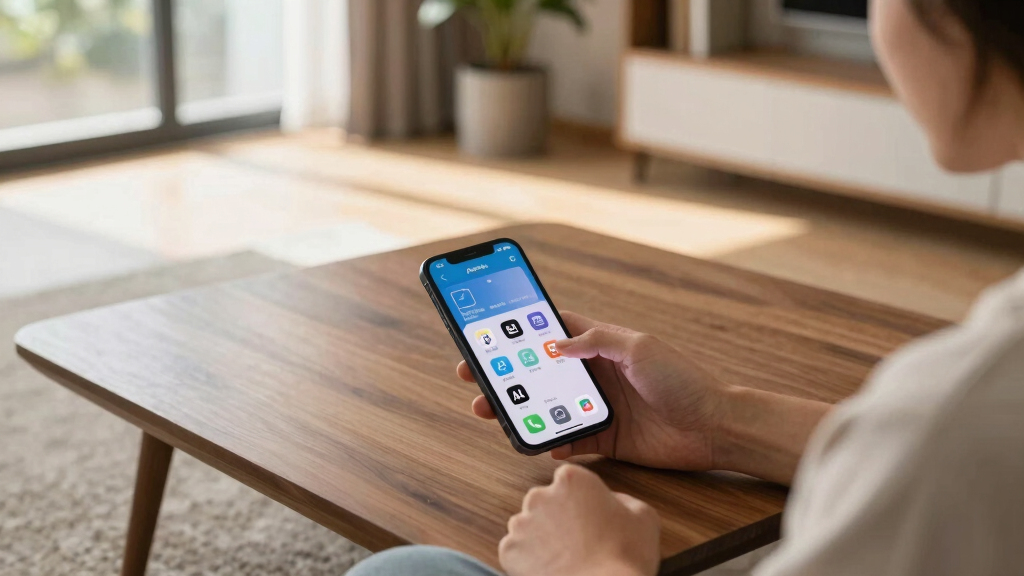
Apple is exploring the possibility of permitting agentic AI tools on its App Store. While details are still emerging, the move aims to balance innovation with security and privacy standards. The development could significantly impact AI integration and app regulation.
Apple is actively exploring the possibility of opening its App Store to agentic AI services, aiming to integrate advanced AI tools that can actively control devices while maintaining security and privacy standards. This development signals a potential shift in how Apple approaches AI technology, which could influence app regulation and user safety.
Sources familiar with the matter indicate that Apple is designing a system to incorporate agentic AI tools into the App Store, with a focus on adhering to its strict privacy and security policies. The move comes amid growing interest from developers and users in AI agents capable of performing active tasks, such as managing emails or controlling device functions.
Currently, Apple restricts vibe coding tools and similar AI applications that could create new software or perform autonomous actions, citing security concerns and potential revenue impacts. However, industry observers note that the company is attempting to strike a balance by allowing innovative AI services without compromising its standards.
According to The Information, Apple’s staff are working on a framework that prevents the more unpredictable behaviors seen in some agentic AI systems, which have been known to malfunction or cause data loss, as exemplified by systems like OpenClaw. The goal is to enable AI agents that can perform complex tasks while avoiding risks such as deleting important user data or executing malicious actions.
Why It Matters
This development could significantly influence the future of AI integration in consumer devices, as Apple’s move to permit agentic AI tools would open new opportunities for developers and users. It may also set industry standards for balancing AI innovation with user safety, privacy, and security, impacting how AI services are regulated and adopted across platforms.
AI assistant app for iPhone
As an affiliate, we earn on qualifying purchases.
As an affiliate, we earn on qualifying purchases.
Background
Apple has historically maintained strict control over its App Store, limiting the types of AI tools available to ensure security and revenue protection. Recent advances in agentic AI, which can take active control over devices, have challenged these policies. The company’s cautious approach reflects concerns about malicious use, malware, and user data security. The discussions come ahead of WWDC, where Apple is expected to showcase new AI-related features, but the broader policy implications remain under consideration.
“Apple is designing a system to adhere to its standards of privacy and security and prevent the more freewheeling behavior some users of agentic systems have experienced.”
— Unnamed Apple sources
What Remains Unclear
It is not yet clear when or if Apple will officially open the App Store to agentic AI tools. Details about the specific technical measures and policies remain undisclosed, and the final decision may depend on regulatory, security, and market considerations.
What’s Next
Next steps include ongoing development of the proposed system, internal testing, and potentially formal announcements at WWDC. Observers will be watching for official statements from Apple regarding policy changes and new AI features in upcoming software updates.
Key Questions
Will Apple fully open the App Store to agentic AI tools?
It is not yet confirmed. Apple is currently designing a system to allow such tools while maintaining its security and privacy standards, but a formal decision has not been announced.
What are agentic AI tools?
Agentic AI tools are systems capable of actively controlling devices or applications to perform tasks autonomously, such as managing emails or executing commands without direct user input.
How might this affect user security and privacy?
Apple aims to develop a framework that prevents malicious or unpredictable behaviors, but allowing active control by AI introduces new security considerations that the company is addressing.
When could these changes be implemented?
While details are still emerging, discussions suggest potential implementation could be announced or rolled out around or after WWDC, depending on development progress and regulatory factors.
Halloween Picks
halloween
As an affiliate, we earn on qualifying purchases.