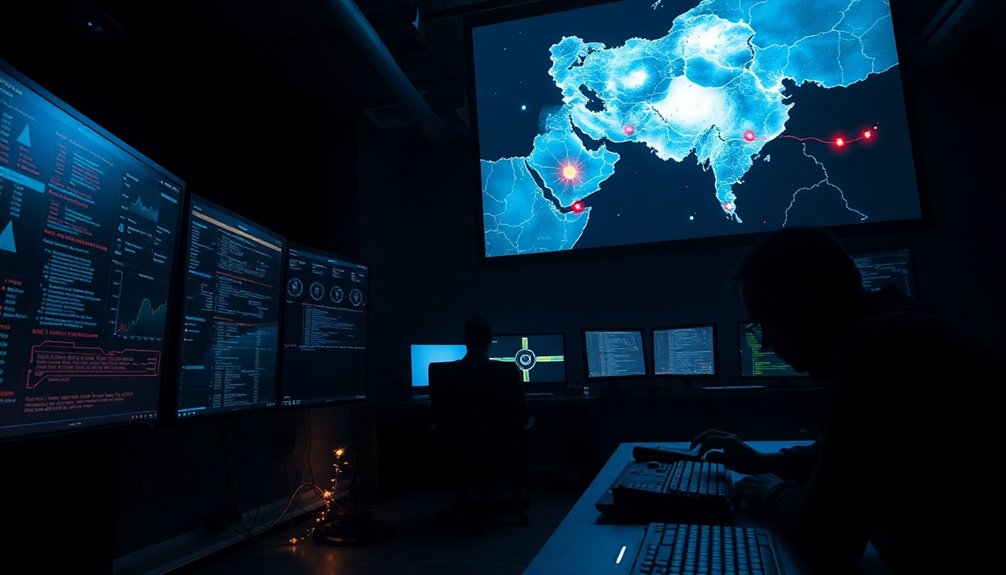

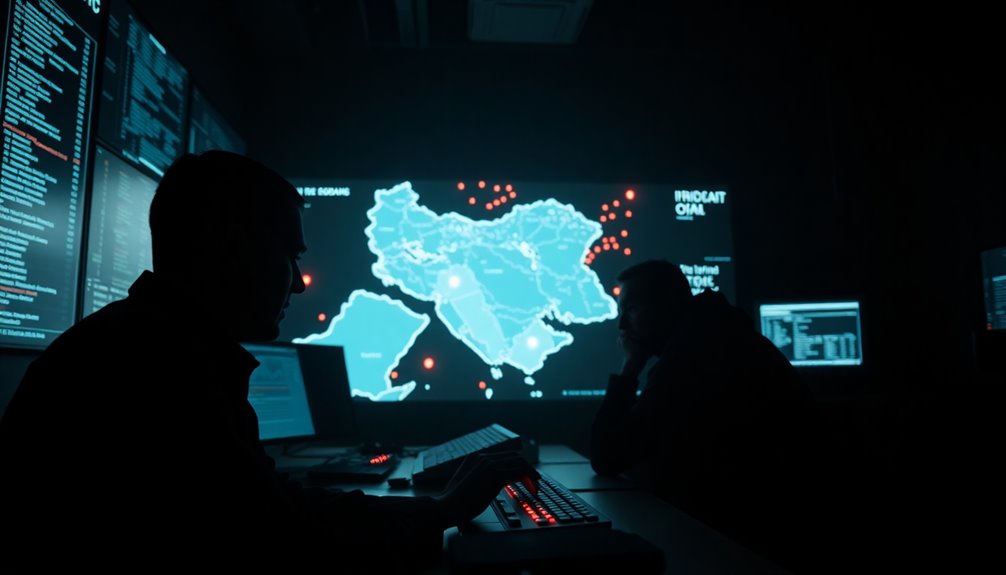
As tensions rise in the region, Iran’s critical infrastructure has come under cyberattack, disrupting vital services like petrol stations and shipping operations. Approximately 70% of Iran’s petrol stations were affected, forcing many to operate manually. This attack, claimed by the group Gonjeshke Darande, aimed to respond to perceived Iranian aggression, showcasing how cyber warfare serves as a tool for retaliation in a complex geopolitical landscape.

Get privacy and security gear delivered free — and shop member deals
- Fast, free delivery on millions of items
- Access to Prime Big Deal Days deals on October 6–7
- Prime Video, Amazon Music and more included
The operational impact of these disruptions is significant. With communication networks disrupted, shipping operations involving the National Iranian Tanker Company (NITC) and Islamic Republic of Iran Shipping Lines (IRISL) faced serious challenges. A staggering 116 ships had their systems compromised, effectively hindering their ability to function normally.
The timing of this attack coinciding with American military operations against the Houthis underscores the strategic nature of these cyber strikes and their potential to escalate existing tensions in the region. Notably, approximately 70% of petrol stations were rendered inoperative, highlighting the scale of the cyberattack’s impact.
Iranian authorities have acknowledged the attacks and are working to restore services, but the disruptions raise serious questions about the country’s cybersecurity measures. While they investigate these intrusions, there’s a tendency to downplay the severity, which could hinder their ability to implement effective defenses moving forward.
The attacks expose critical vulnerabilities in Iran’s cybersecurity, potentially compromising future defenses amid ongoing investigations.
The threat landscape is real, as Iran employs cyberattacks as part of its asymmetric warfare strategy, collaborating with groups like OilRig and MuddyWater to carry out espionage and malware operations.
It’s crucial to recognize the broader implications of these cyberattacks. They not only affect operational efficiency and public services but also have economic consequences that ripple through oil exports and overall stability. As Iran faces international sanctions, the pressure on its infrastructure mounts, making it a prime target for further cyber threats.
The global community’s response to these incidents will play a vital role in shaping future security dynamics. International cooperation is essential in addressing these threats. Cybersecurity advisories highlight the need for vigilance, particularly against risks targeting operational technology.
Protecting critical infrastructure must remain a priority, as existing technological vulnerabilities can be easily exploited by hackers. The escalating nature of these attacks doesn’t just pose a challenge to Iran; it raises concerns about global maritime security and the potential for widespread economic disruption.
As you navigate this landscape, understanding the motivations behind these attacks can offer insight into the complex interplay of regional tensions and cyber warfare. The future holds escalating threats, and you must stay informed to grasp the full scope of this evolving conflict.
industrial cybersecurity monitoring tools
As an affiliate, we earn on qualifying purchases.
As an affiliate, we earn on qualifying purchases.
Fall Picks
fall essentials
As an affiliate, we earn on qualifying purchases.