Prosecutors present economic espionage cases to the public by explaining how trade secrets are stolen through sophisticated methods like hacking, insider help, or clandestine communications. They highlight the deliberate actions and clear intent behind the misconduct, using forensic evidence and expert testimony to show the harm caused to companies and the economy. They balance transparency while protecting sensitive details, emphasizing the importance of safeguarding innovation. To discover more about how prosecutors win these cases, keep exploring this topic.
Listen free for 30 days with Audible
Thousands of audiobooks and originals — cancel anytime.
As an affiliate, we earn on qualifying purchases.
Key Takeaways
- Emphasize the deliberate and planned nature of trade secret theft through forensic evidence and expert testimony.
- Balance transparency by informing the public of the risks without revealing sensitive investigation details.
- Highlight international cooperation in tracking stolen secrets and building cross-border cases.
- Showcase methods used by defendants, such as hacking or insider assistance, to demonstrate malicious intent.
- Educate about the economic and national security impacts of espionage while reinforcing authorities’ protective efforts.
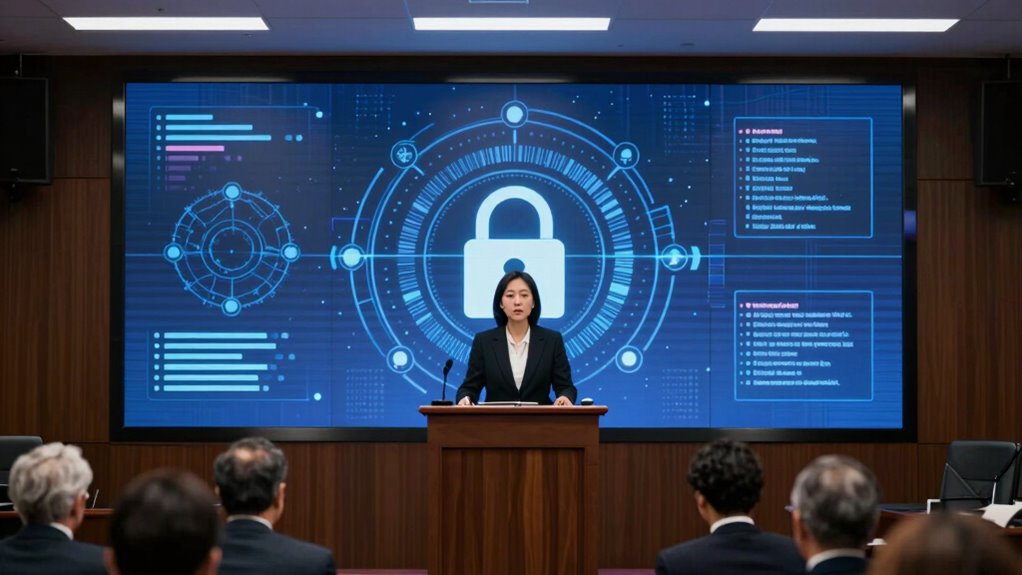
When prosecutors take on economic espionage cases, they focus on clearly demonstrating how the defendant knowingly stole or misappropriated trade secrets to benefit a foreign government or competitor. They understand that maintaining corporate confidentiality is crucial, so they meticulously gather evidence that shows the defendant’s intent and actions. This involves detailed forensic analysis of digital communications, financial records, and internal documents to establish a pattern of misconduct. By doing so, they aim to present a compelling case that highlights the breach of trust and the potential harm caused to the company’s competitive edge.
In presenting these cases, prosecutors also emphasize the importance of international cooperation. Because economic espionage often involves actors across borders, they work closely with law enforcement agencies, intelligence services, and judicial authorities from other countries. This collaboration helps them track stolen secrets, identify foreign agents or entities involved, and build a comprehensive case that crosses legal jurisdictions. International cooperation ensures that evidence collected abroad can be used effectively in court, and it signals a unified effort to combat the global threat of economic espionage.
Prosecutors often highlight the sophisticated methods used to steal trade secrets, such as hacking, insider assistance, or clandestine communications. They want the public to understand that these acts aren’t random but part of deliberate efforts to undermine corporate confidentiality. To make their case stronger, they tend to present expert testimony on how the stolen information could harm the company and the broader economy. They also focus on the defendant’s intent, demonstrating that the theft was purposeful, planned, and aimed at providing a competitive advantage to a foreign entity.
When presenting economic espionage cases to the public, prosecutors often strike a balance between transparency and confidentiality. They want to inform the public about the threat posed by such crimes without revealing sensitive details that could jeopardize ongoing investigations or reveal proprietary information. Their goal is to educate the public about the importance of protecting trade secrets and the seriousness with which authorities treat these violations. By doing so, they foster awareness and support for robust measures to safeguard corporate confidentiality against foreign threats.
Ultimately, prosecutors aim to show that economic espionage damages not just individual companies but also national economic security. Their presentations are designed to convey the gravity of these crimes, underscore the importance of international cooperation, and reinforce the commitment to protecting trade secrets from foreign interference. They understand that digital forensic analysis is vital for uncovering complex criminal schemes and ensuring justice. Through careful evidence collection, strategic collaboration, and clear communication, they work to hold perpetrators accountable and uphold the integrity of corporate confidentiality on a global scale.
digital forensic analysis software
As an affiliate, we earn on qualifying purchases.
As an affiliate, we earn on qualifying purchases.
Frequently Asked Questions
How Do Prosecutors Gather Evidence for Economic Espionage Cases?
You gather evidence for economic espionage cases by investigating cyber attacks and accessing digital footprints, like emails and files, to uncover stolen trade secrets. Prosecutors also interview witnesses and analyze data from insider threats or unauthorized access. They collaborate with cybersecurity experts to trace the breach, often collecting forensic evidence. This thorough approach helps prove the theft of trade secrets and links cyber attacks to economic espionage activities.
What Challenges Do Prosecutors Face in Proving Economic Espionage?
You face significant challenges proving economic espionage, especially with corporate sabotage tactics and the need for international cooperation. Sabotage can obscure evidence, making it hard to connect the dots. Plus, when perpetrators operate across borders, you must navigate complex legal systems and gain international cooperation, which can delay or hinder your case. Overcoming these hurdles requires meticulous investigation, strong partnerships, and persistent efforts to secure justice.
How Is Public Perception Managed During High-Profile Cases?
You manage public perception during high-profile cases by implementing a strong media strategy that emphasizes transparency and accuracy. You control the flow of information to foster public awareness while preventing misinformation. By working closely with communications teams, you guarantee messages highlight the importance of justice and national security, helping to build trust and maintain the integrity of the case in the eyes of the public.
What Legal Defenses Are Common in Economic Espionage Trials?
You should know that common defenses in economic espionage trials often involve challenging the trade secret’s confidentiality or arguing that the information wasn’t protected as intellectual property. Remarkably, about 60% of accused individuals claim they had lawful access or believed their actions were authorized. These defenses focus on questioning the legitimacy of the trade secret or asserting that the defendant didn’t intend to steal, which can notably impact case outcomes.
How Do Prosecutors Ensure Confidentiality During Investigations?
You guarantee confidentiality during investigations by strictly following confidentiality protocols and emphasizing information security. You restrict access to sensitive details, use secure communication channels, and monitor personnel handling the case. You also implement encryption and secure storage for digital data, and regularly train your team on confidentiality procedures. These steps help prevent leaks, protect the integrity of the investigation, and maintain the trust of involved parties.
Conclusion
You now see how prosecutors carefully craft their messaging to highlight the severity of economic espionage. Notably, a 2022 report revealed that over 60% of cases involved insider threats, emphasizing the critical need for vigilance. By framing these cases effectively, prosecutors not only seek justice but also raise awareness about the risks to national and economic security. Staying informed helps you understand the importance of robust legal actions in protecting innovation and intellectual property.
Flea & tick season Picks
flea and tick prevention
As an affiliate, we earn on qualifying purchases.